
Mae Hong Son is Thailand's most remote province: pine-fringed lakes, Yunnanese tea villages and valleys that fill with fog on almost every cool-season morning. Thais call it the city of three mists.
Most people come by road from Chiang Mai through Pai, on the famous route with its 1,864 curves. Take it slowly, and bring motion sickness tablets if you're prone to it. Flights into Mae Hong Son Airport have stopped and restarted several times in recent years, so check current schedules before relying on one.
Come between November and February, when mornings are cold and misty; bring a proper jacket, as it can drop to single digits. From around February to April farmers burn their fields and the air quality can be poor. In the rainy season the province's roads are prone to landslides, so check conditions before setting off.
Suggested route. Follow the road from Chiang Mai, as this guide does. Start in Pai, then move on to Pang Mapha, visiting Tham Lod Cave and sleeping in Ban Jabo or at Ki Ko Kho for the sunrise mist. In Mae Hong Son town, catch sunset at Doi Kong Mu and the dawn alms round at Su Tong Pae. Then head north past Pha Suea Waterfall to Pang Ung and Ban Rak Thai, and spend a night by the lake. To make a loop, come back south through Khun Yuam and Mae La Noi towards Mae Sariang; in November, time it for the bua tong flowers on Doi Mae U-Kho.
How we chose these spots. The guide runs in road order from Chiang Mai: Pai, then Pang Mapha, Mae Hong Son town and the north, and finally the quieter south. Alongside the sights we've included a few places to eat, drink and stay that are a reason to go in their own right, such as Two Huts, Khaotha, Kanlaya's Eyrie and Lee Wine Ruk Thai Resort. Pam Bok Waterfall stays in for rainy-season swims, with a clear warning about the dry season.
Good to know
- Tourist Police: 1155
- Emergency (ambulance): 1669
- Highway Department hotline: 1586
- Book Pang Ung camping
Pai
Pai is where most people start, three hours from Chiang Mai over the first stretch of curves. Rice fields, hot springs, canyon sunsets and a slow, friendly pace make it easy to stay longer than planned. Some access roads, like the one to the Bamboo Bridge, are tricky for new riders, so take them slowly.

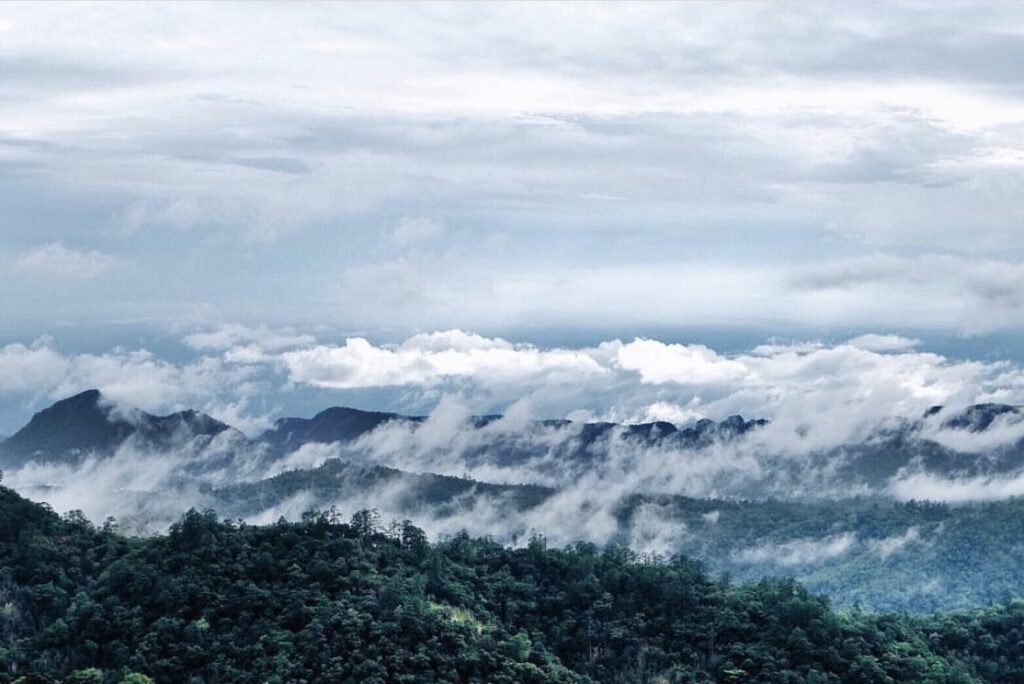

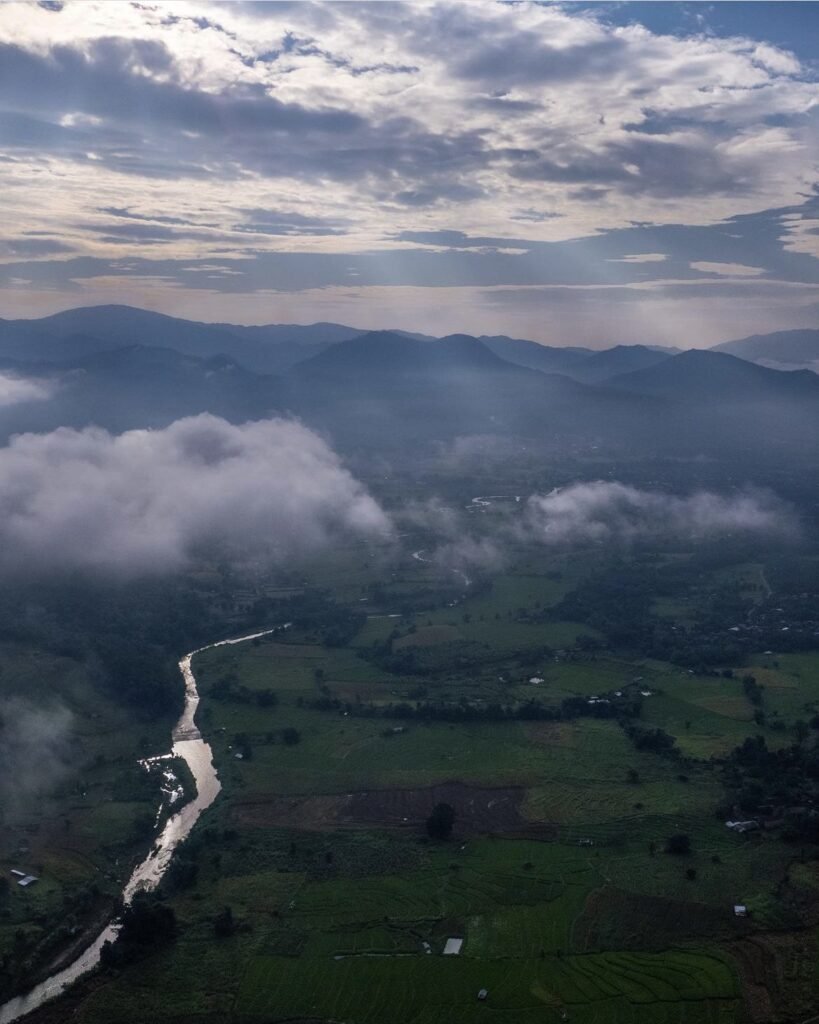


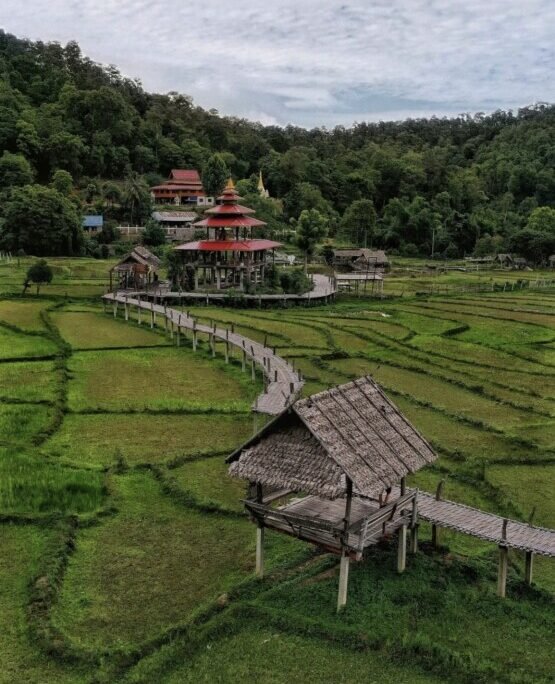

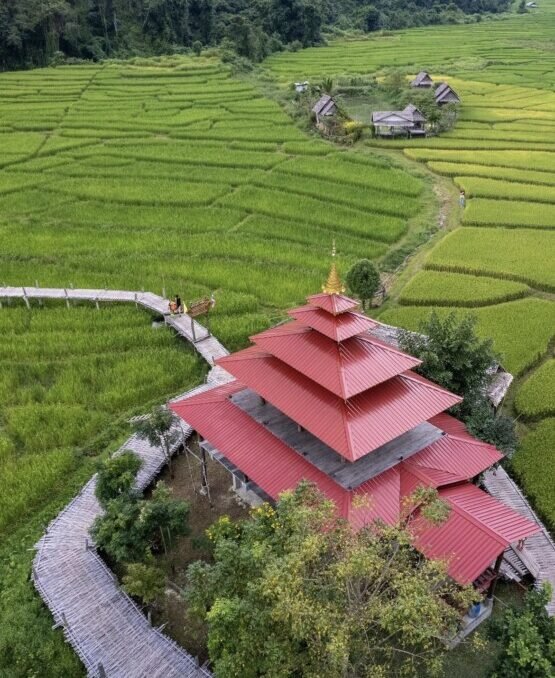

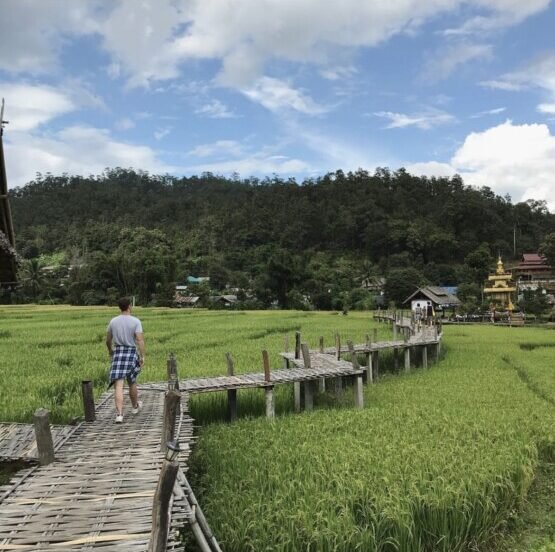
01Bamboo Bridge
The rainy season is the time to come. From June to October the walkway crosses bright green rice fields; in the dry season the fields are bare and brown, but it’s still a pleasant rural walk worth doing.
Go in the morning, before the heat and the crowds, and bring cash for the small entry fee and the cafes on site. There’s little shade on the bridge. The access road is narrow and rough, so if you’re new to riding a motorbike, take it slowly or find another way there. The Land Split is on the way, so do both together.
- Attraction Type
- Walkway
- Location
- Open in Google Maps
- Cost
- ฿30
- Best Time To Visit
- Morning
- Opening Hours
- 8am – 6pm

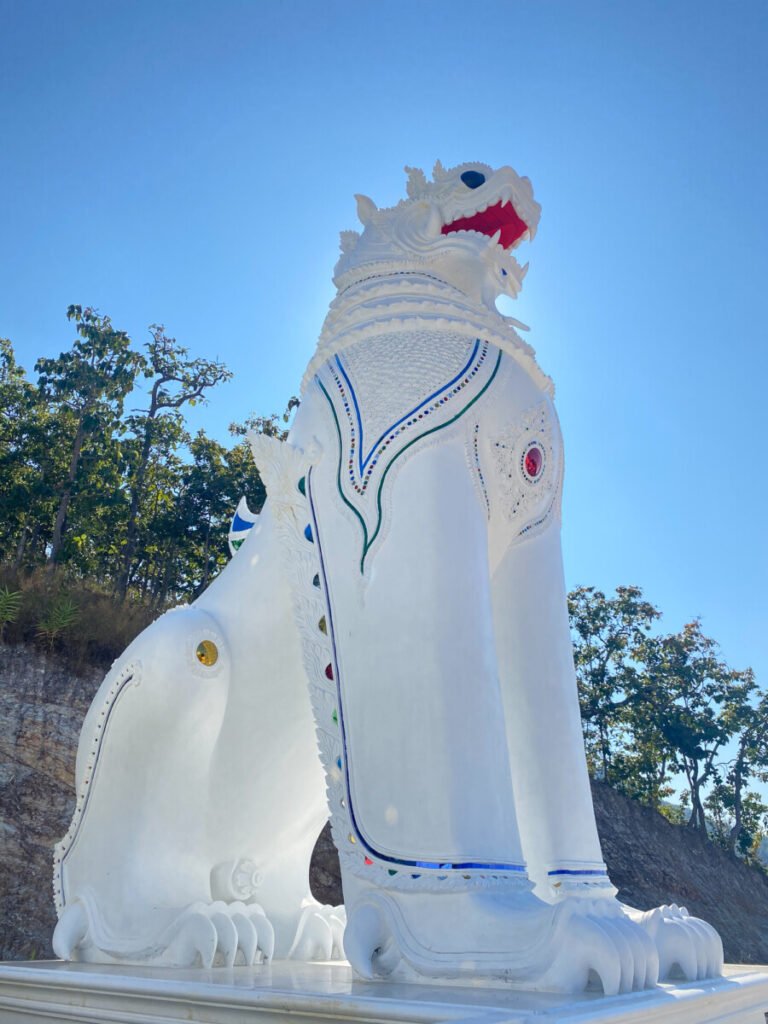

02Big Buddha Pai
Pai’s Big Buddha sits on a hilltop above town, and the reason to go up is the view back over the valley. It’s around 350 steps, which is hard work in the midday sun, so come early in the morning or for sunset.
You can drive straight to the car park at the temple, or park lower down and walk the whole way. Dress modestly. Restoration work on the statue and stairs was under way in late 2025, so expect some disruption.
- Attraction Type
- Viewpoint / Landmark
- Location
- Open in Google Maps
- Cost
- Free
- Best Time To Visit
- Morning / Sunset
- Opening Hours
- Daily, 06:00 to 18:00
- Number
- +66 81 370 7735


03Santichon Village
A Yunnanese Chinese village popular with visitors for photoshoots in rented traditional Chinese dress (฿100). Entry is free.
Stalls sell local wine, tea and snacks, and you can try archery (฿50 for 6 arrows), ride the swing (฿25) or feed the fish. It’s good with children, with a playground and simple fairground-style rides. Come in the morning and pair it with Yun Lai Viewpoint, which is close by.
- Attraction Type
- Attraction / Village
- Location
- Open in Google Maps
- Cost
- Free
- Best Time To Visit
- Morning
- Opening Hours
- Daily, 05:00 to 18:00
- Number
- +66 92 530 2512
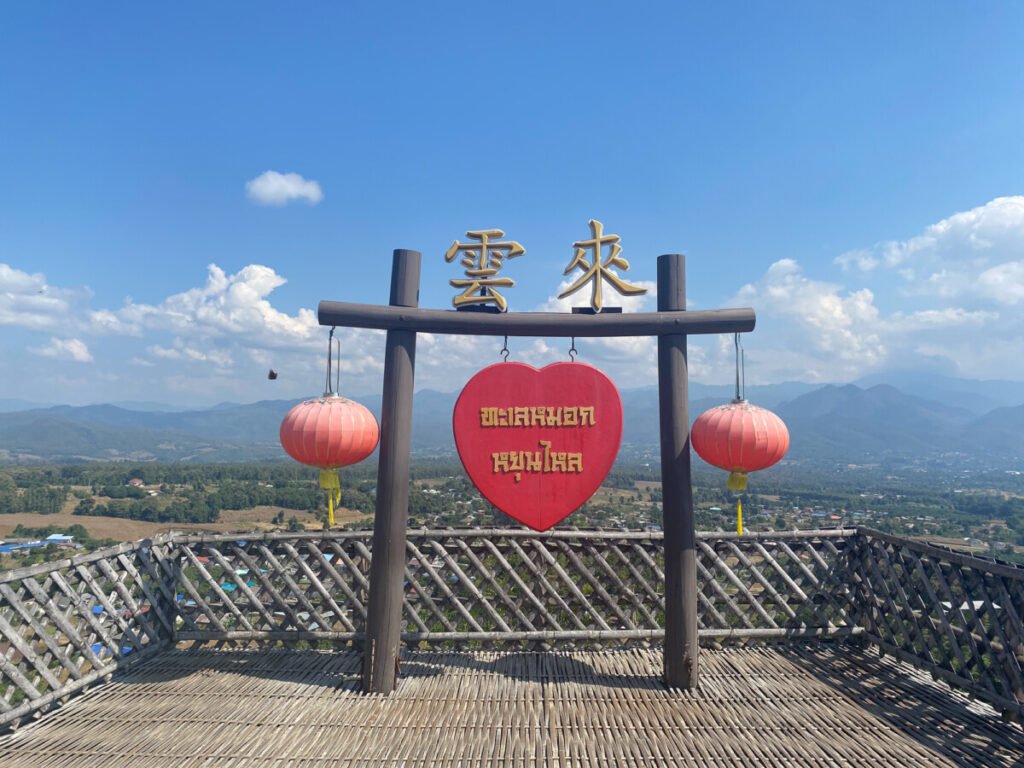

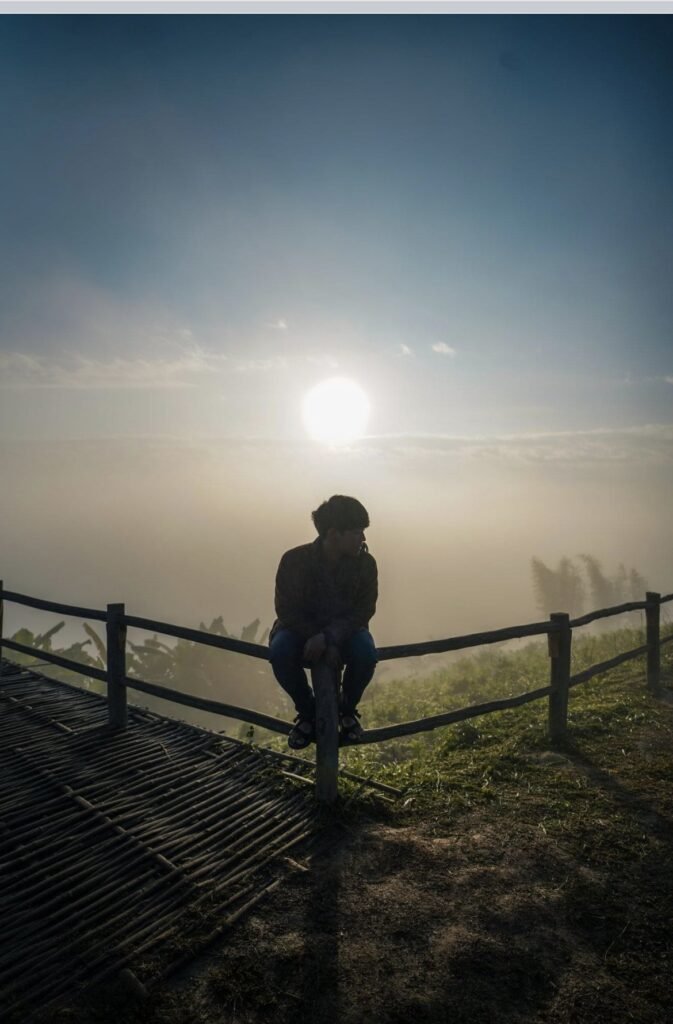
04Yun Lai Viewpoint
The view over Pai from the west, and an easy add-on after Santichon Village, which is close by. It works at either end of the day: sunrise for mist in the valley, sunset for the light. There’s a café at the top, so you can wait with a drink.
- Attraction Type
- Viewpoint
- Location
- Open in Google Maps
- Cost
- 20 THB per person
- Best Time To Visit
- Sunrise or sunset
- Number
- +66 81 024 3982
- Opening Hours
- Daily, 05:00 to 20:00


05Tha Pai Hot Spring
Hot springs are common across Thailand, so timing is what makes this one worth it: come on a cool morning or evening, ideally on a weekday, when local families aren’t off work and school. The bathing pools run from about 32 to 36°C, with a cold pool alongside.
The upper pools reach around 80°C, far too hot for bathing. Locals boil eggs in them, so bring a few of your own.
- Attraction Type
- Hot Spring
- Location
- Open in Google Maps
- Cost
- ฿300 (Adult) / ฿150 (Child) + ฿20 Parking
- Best Time To Visit
- Weekdays (Morning/Evening)
- Opening Hours
- Daily, 08:00 to 18:00
- What to Pack
- Swimwear

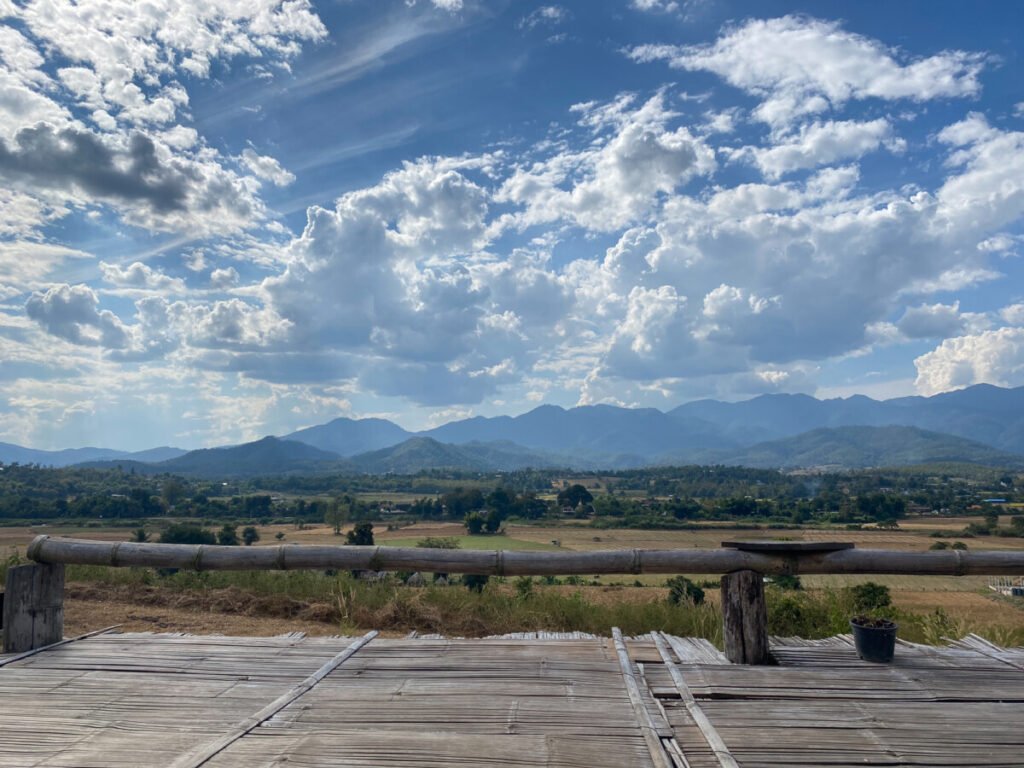
06Two Huts Pai
A relaxed bar and restaurant overlooking Pai, and one of the best places to watch the sun drop behind the mountains with a beer. Live music plays around sunset and it fills up fast, so arrive by about 16:30 for a good seat. There’s a small pool you can use for ฿50.
- Attraction Type
- Restaurant
- Location
- Open in Google Maps
- Cost
- Free
- Best Time To Visit
- Sunset
- Opening Hours
- Daily, 11:00 to 21:00
- Number
- +66 81 169 9004
- Website

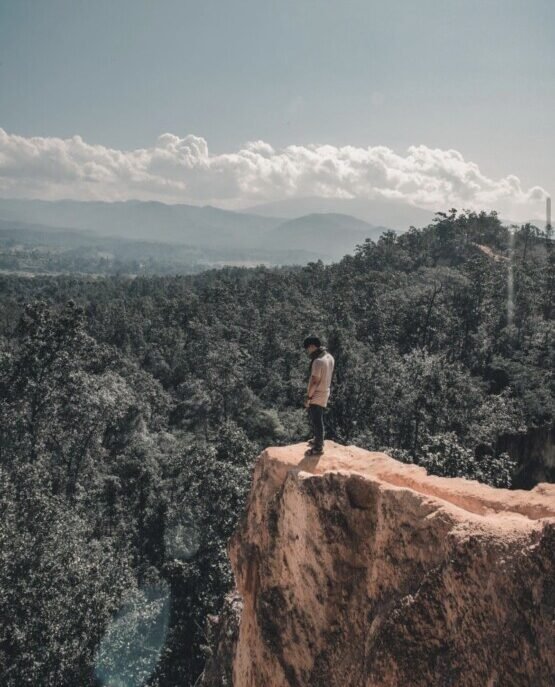


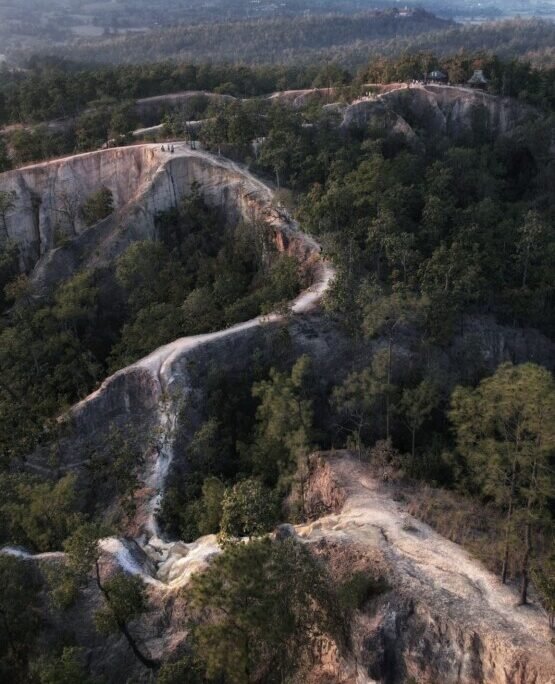
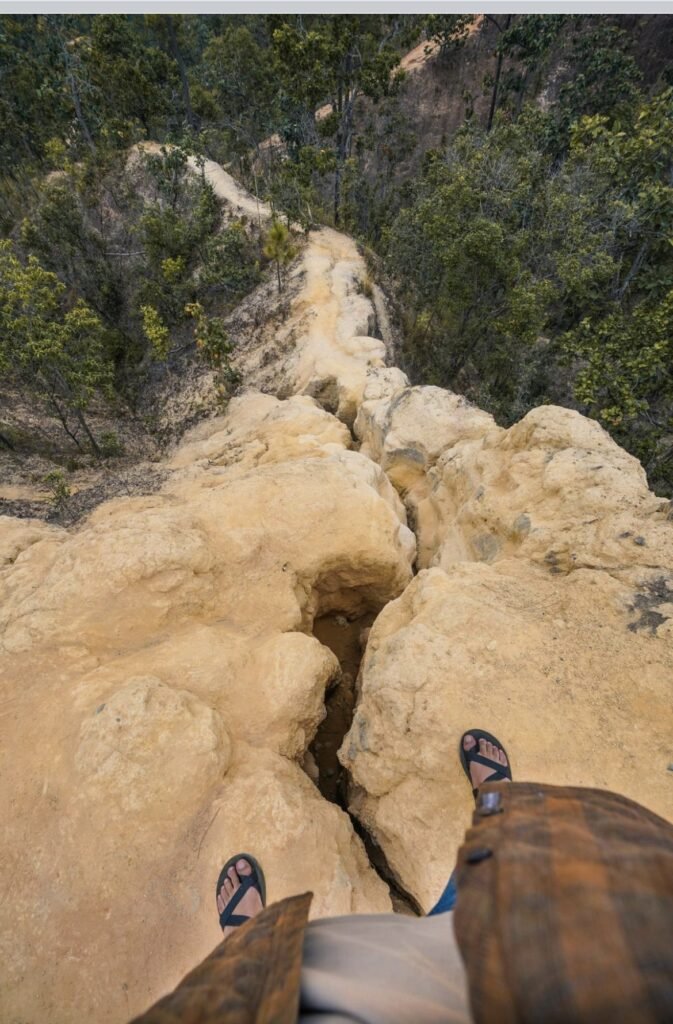
07Pai Canyon
One of Pai’s most popular sights, and rightly so. Thousands of years of erosion have left narrow ridges with sheer drops, and you can walk along them right through the canyon.
There are no safety measures at all, so wear shoes with real grip and don’t go further than you’re comfortable with. If the ridges aren’t for you, sitting at the start is fine for sunset. Either way, arrive early: it gets crowded and the best spots go first. Vendors near the entrance sell food and drinks.
- Attraction Type
- Canyon
- Location
- Open in Google Maps
- Cost
- Free
- Best Time To Visit
- Morning / Sunset
- Opening Hours
- Daily, 06:00 to 19:00
- Number
- +66 86 113 7373
- What to Pack
- Shoes with good grip


08Pam Bok Waterfall
Skip it in the dry season. From November to May there’s almost no water, and the entrance fee isn’t worth paying. In the rainy season there’s enough in the canyon for a dip, and that’s the only real reason to come: if you don’t plan to swim, we wouldn’t bother.
The fee is sold as covering several other sites, but the ticket is only valid for the day, and nobody can realistically get round them all:
- Lod Cave , 1.5 hours north-west of Pai. Reports differ on whether entry is charged there; what you mainly pay for is the bamboo raft and guide, which aren’t included.
- Susa Waterfall , 2 hours west of Pai
- Sai Ngam Hot Spring, 30 minutes north of Pai
- Doi Kiew Lom Viewpoint , 1 hour east of Pai on the road back to Chiang Mai
- Nam Bor Pee Sinkhole, a 1.5-hour drive west of Pai
If you do pay, keep the ticket and ask which other sites it covers, or you may end up paying again.
- Attraction Type
- Waterfall
- Location
- Open in Google Maps
- Cost
- 200 THB for foreign adults
- Best Time To Visit
- Morning
- Opening Hours
- Daily, 08:30 to 18:00
- What to Pack
- Swimwear
- Good to Know
- Foreign visitors pay 200 THB, which many feel is steep for a small waterfall, so keep the ticket for the other sites it covers.


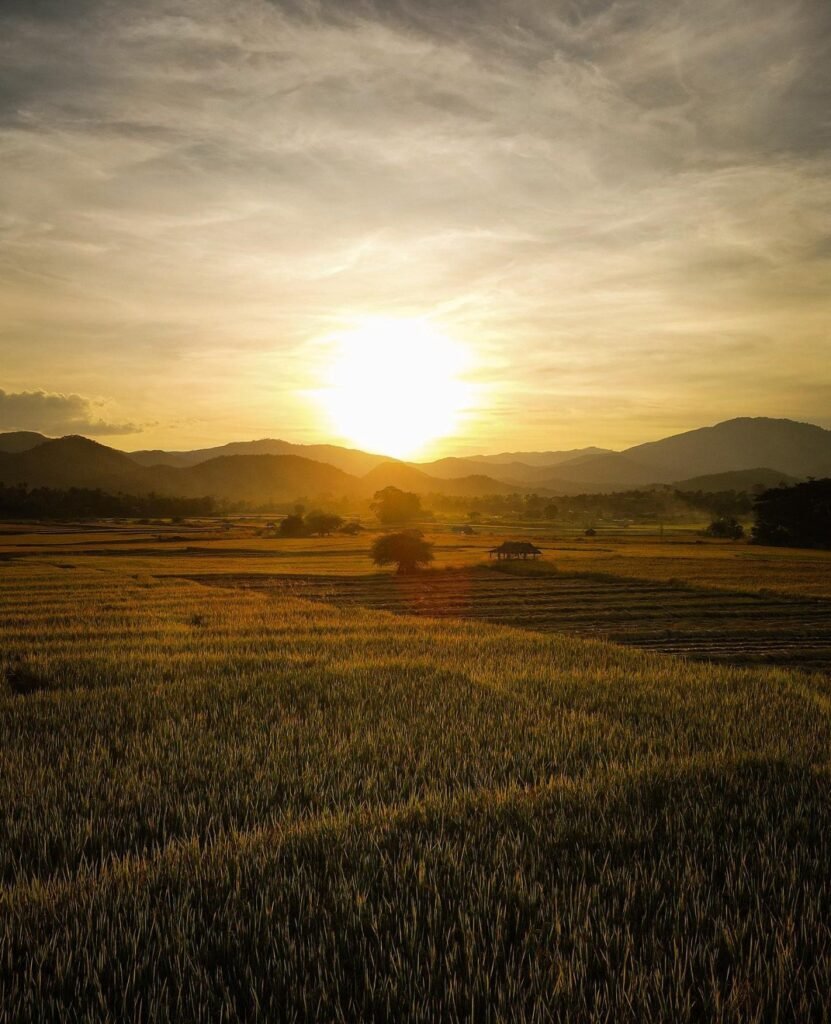
09Rice Field Sunset
Pai has plenty of sunset spots, and this is our pick: the rice fields behind Krazy Kitchen . Order a drink and some food, then ask politely if you can watch from the back garden beside the fields. The owner is lovely and is unlikely to say no.
- Attraction Type
- Rice Fields
- Location
- Open in Google Maps
- Cost
- Free
- Best Time To Visit
- Sunset
- Opening Hours
- 11am – 8pm


10Permanently closedThe Land Split
Not much to look at, but worth a stop on the way to the Bamboo Bridge for the welcome. The villagers ask only for a donation to walk around the split, and offer free homemade drinks, snacks and jams. Stay for a chat.
- Status
- Permanently closed on Google Maps (checked October 2026)
- Attraction Type
- Rock Formation
- Location
- Open in Google Maps
- Cost
- Donation
- Best Time To Visit
- Morning


11Memorial Bridge
A short photo stop to stretch your legs as you pass. The original bridge was built during WW2, when Japan set up a military base in Thailand to prepare its attack on Burma, then under British rule; signs beside it tell the story. The steel bridge you see now replaced it after floods, using iron from an old bridge in Chiang Mai, and sits right beside the modern road bridge.
- Attraction Type
- Historic Landmark
- Location
- Open in Google Maps
- Cost
- Free
- Best Time To Visit
- Morning
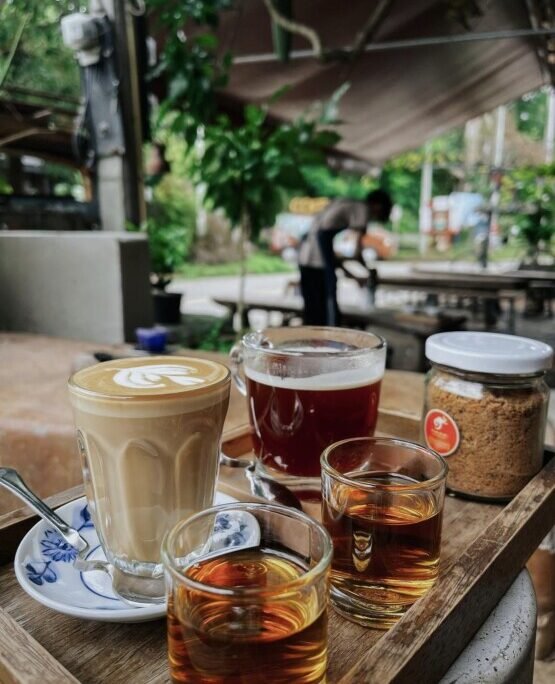
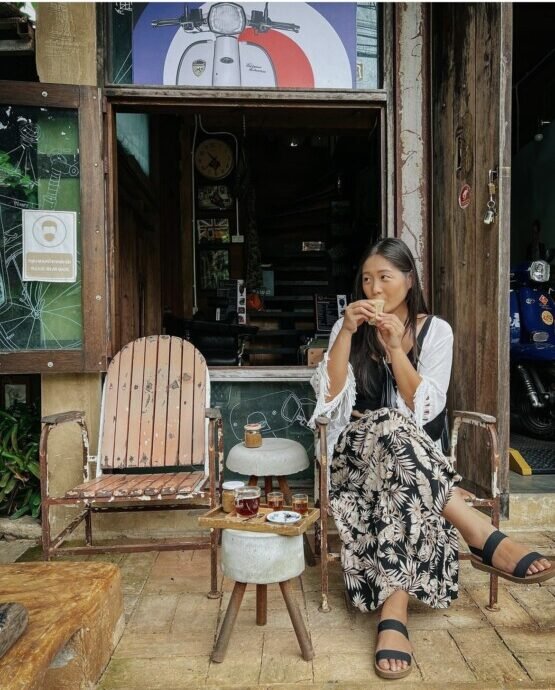
12Khaotha
For coffee lovers: freshly roasted beans in light, medium and dark roasts, cheap and very good. The café is also home to plenty of animals, including dogs, fish, birds and turtles, which some people love and others find off-putting.
- Attraction Type
- Café
- Location
- Open in Google Maps
- Cost
- Varies
- Best Time To Visit
- Anytime
- Opening Hours
- Daily, 07:00 to 17:00
- Number
- +66 93 993 5614
Pang Mapha
Between Pai and Mae Hong Son town, Pang Mapha district is limestone country, with huge caves, hill-tribe villages and some of the best sea-of-mist viewpoints in the north. Don’t just drive through. Base yourself in Soppong or a village homestay so you’re already in place for sunrise.

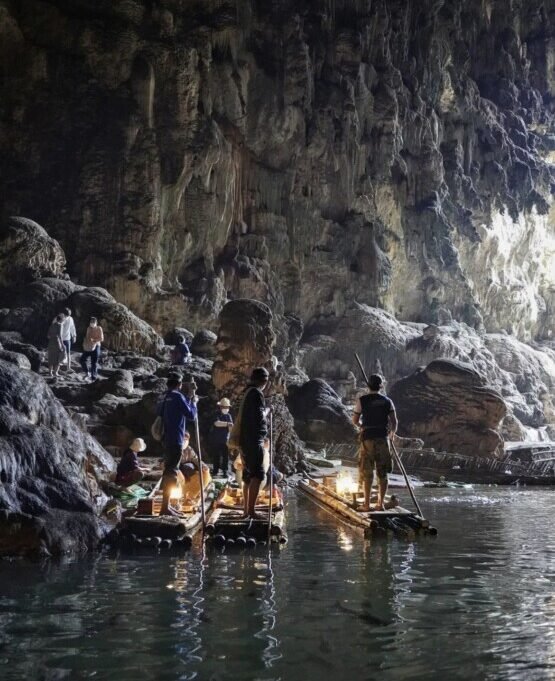


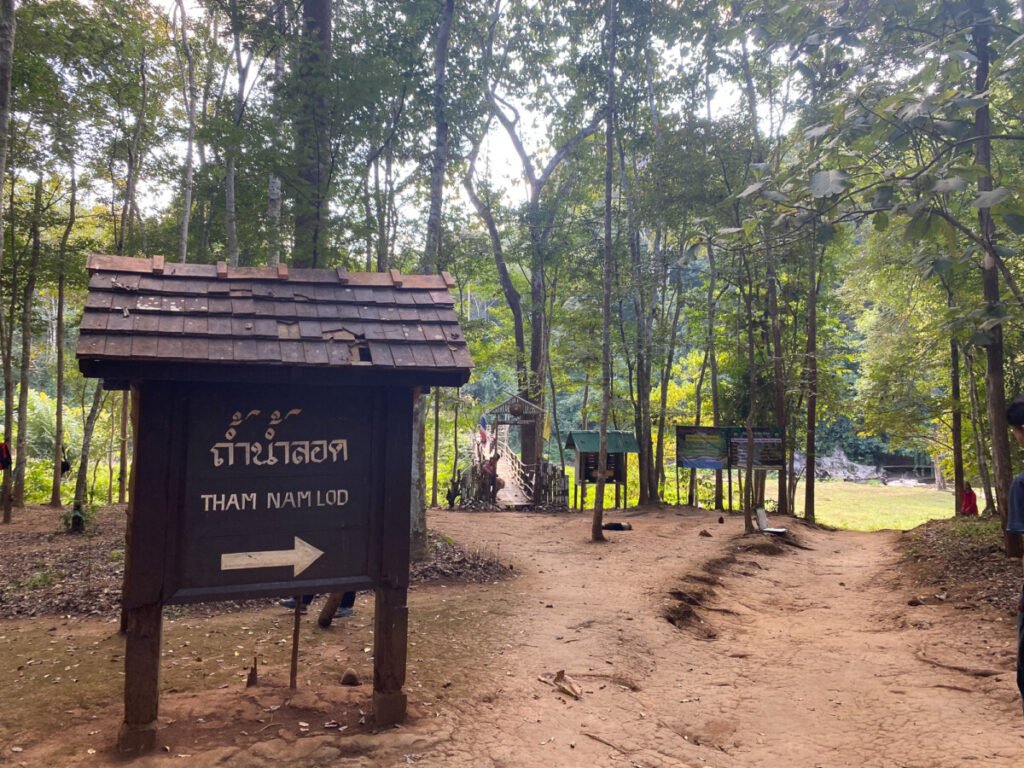

13Tham Lod Cave
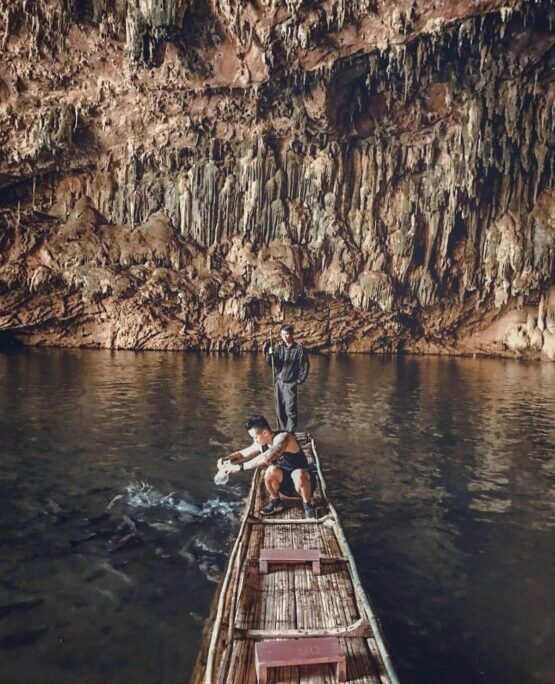
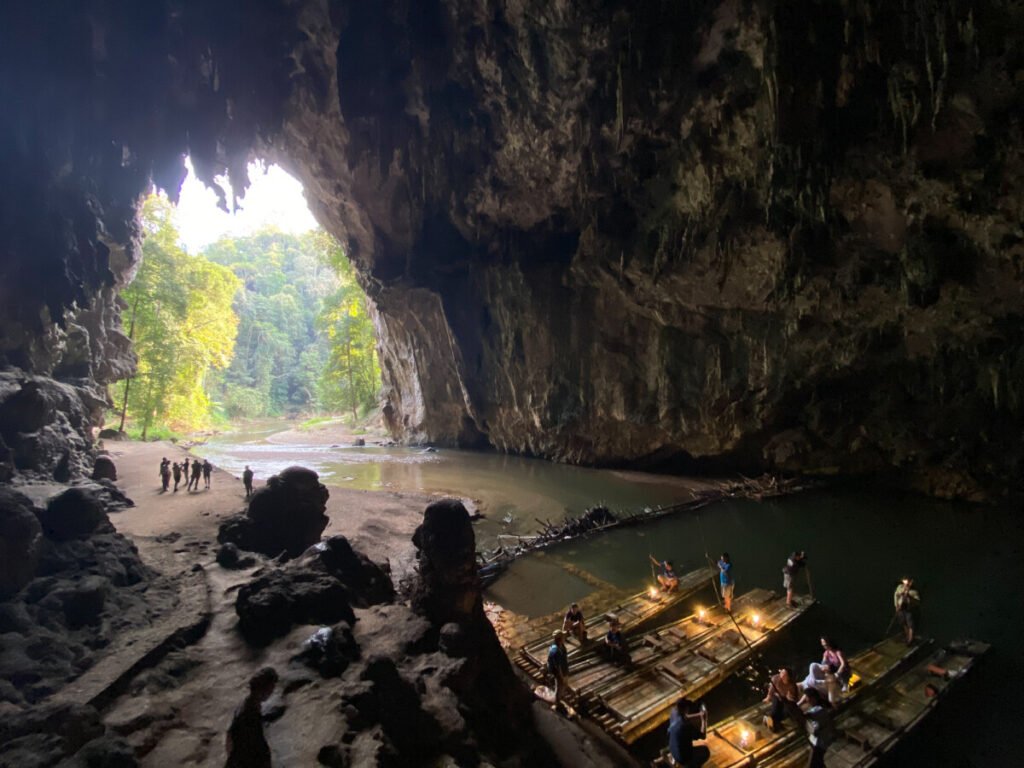
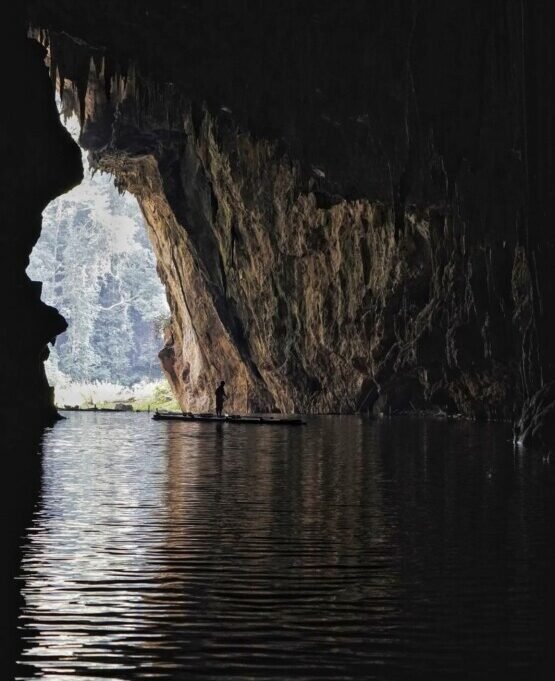
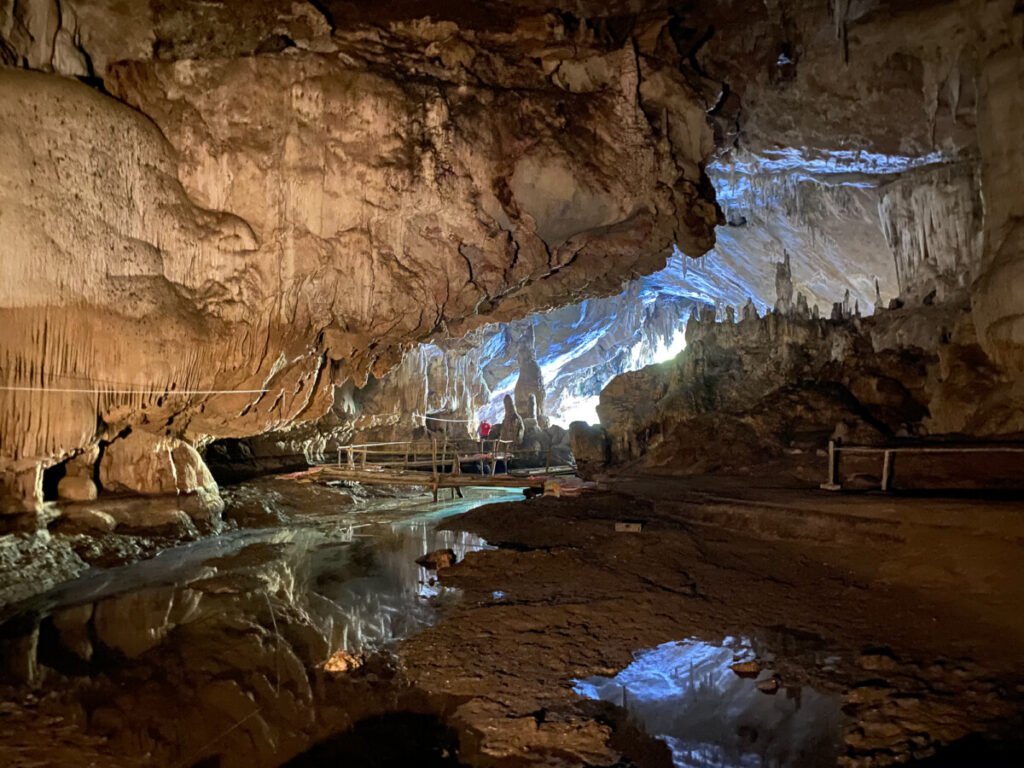
Worth the 1.5-hour drive from Pai. A local guide with a gas lantern leads each group, and you sit on a bamboo raft to float through the cave, stopping along the way to see the formations. Rafts take up to 3 people and prices are per group, not per person, so do all three caves if you can:
- Cave 1: ฿200 per group
- Cave 1 + 2: ฿250 per group
- All 3 caves: ฿500 per group
The raft is paid on top of the guide fee. Recent reports give about 150 THB per group for the guide and about 400 THB per raft, so check prices on arrival.
- Attraction Type
- Cave
- Location
- Open in Google Maps
- Cost
- About 150 THB per group for the guide, plus about 400 THB per raft (check before you go)
- Best Time To Visit
- Late afternoon, finishing around dusk when the swifts fly in (the listed close is 17:30, so check you can stay); November to February for cool, dry weather
- Opening Hours
- Daily, 08:00 to 17:30







14Ban Jabo
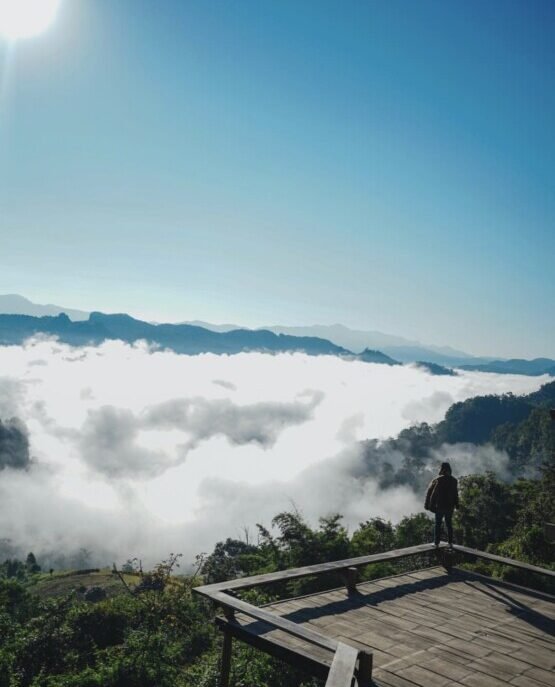
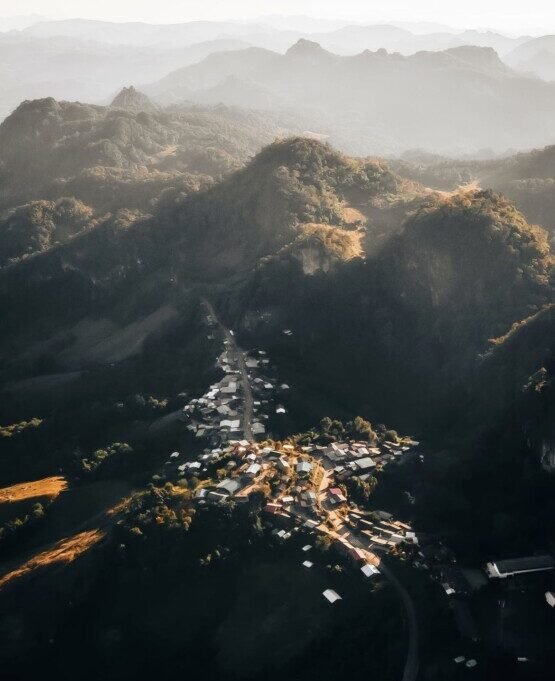
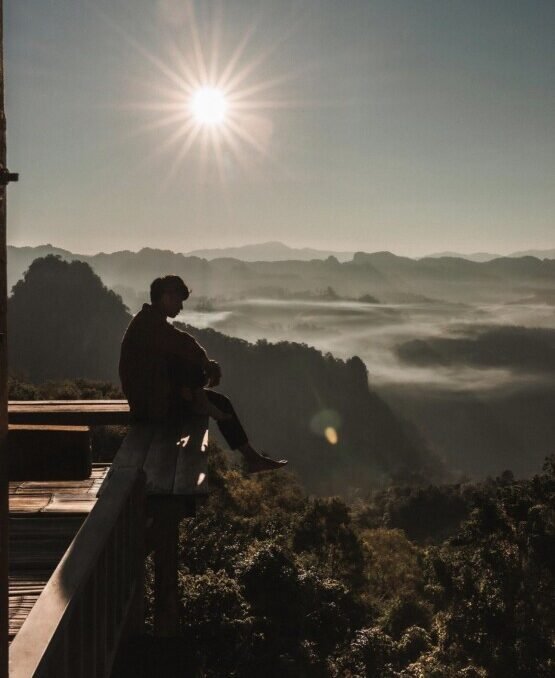
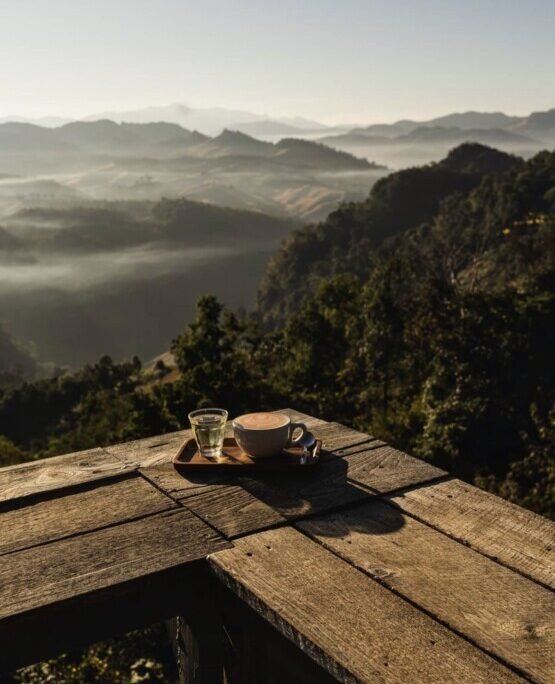
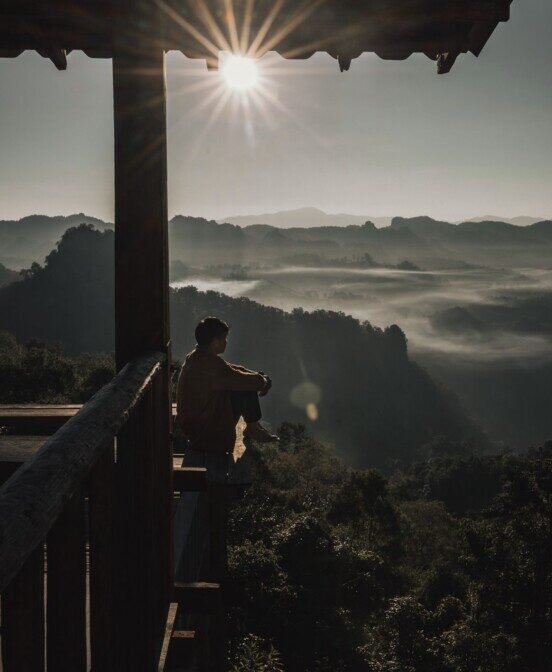
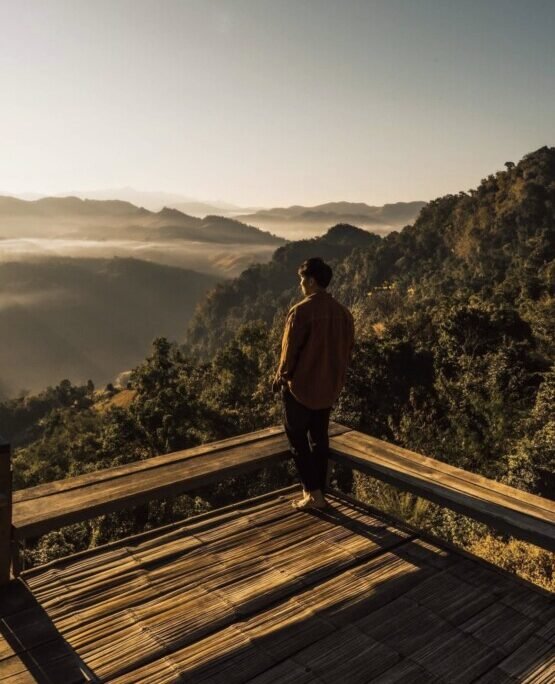
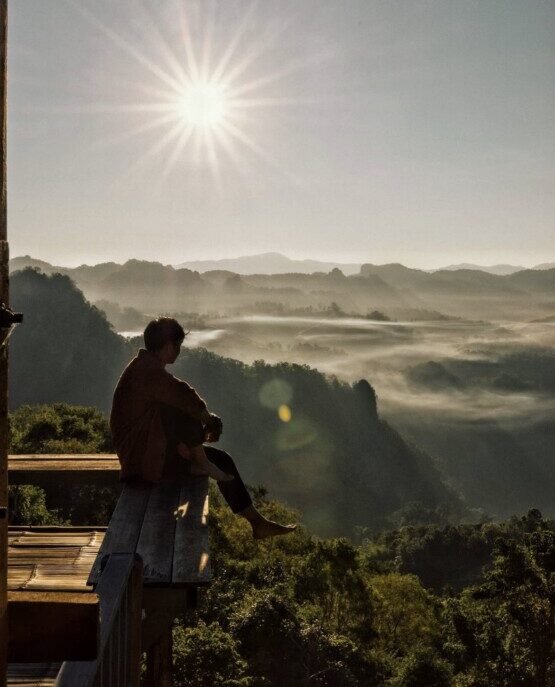
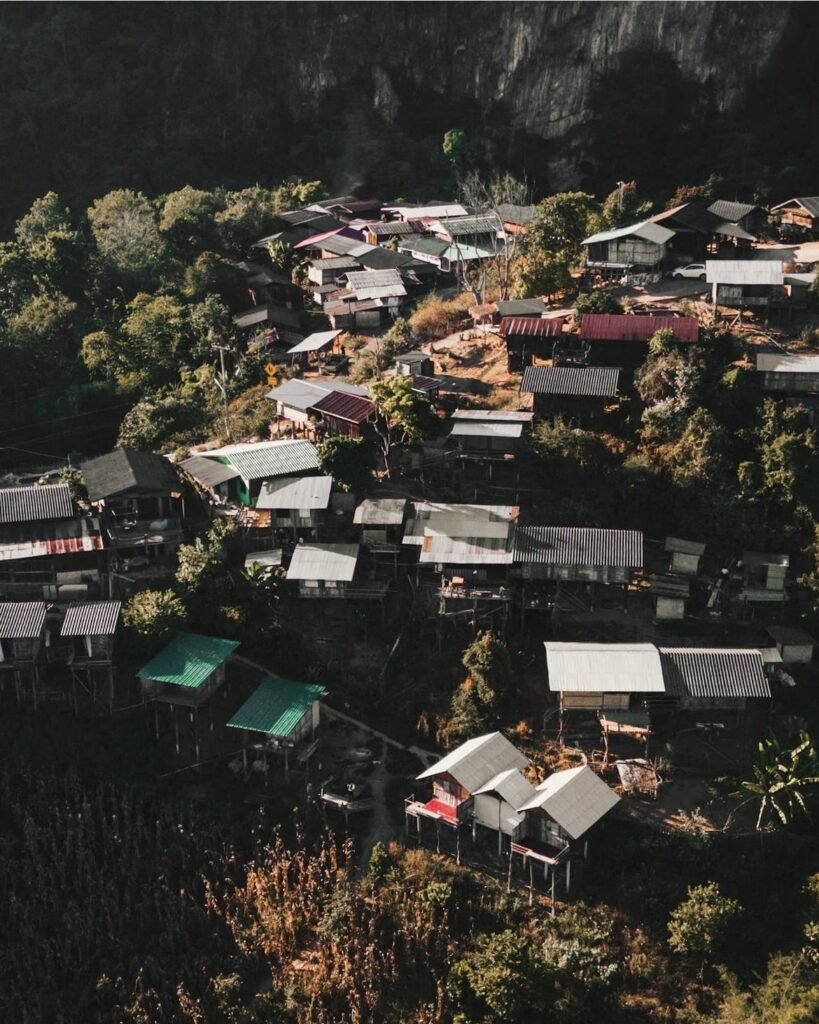
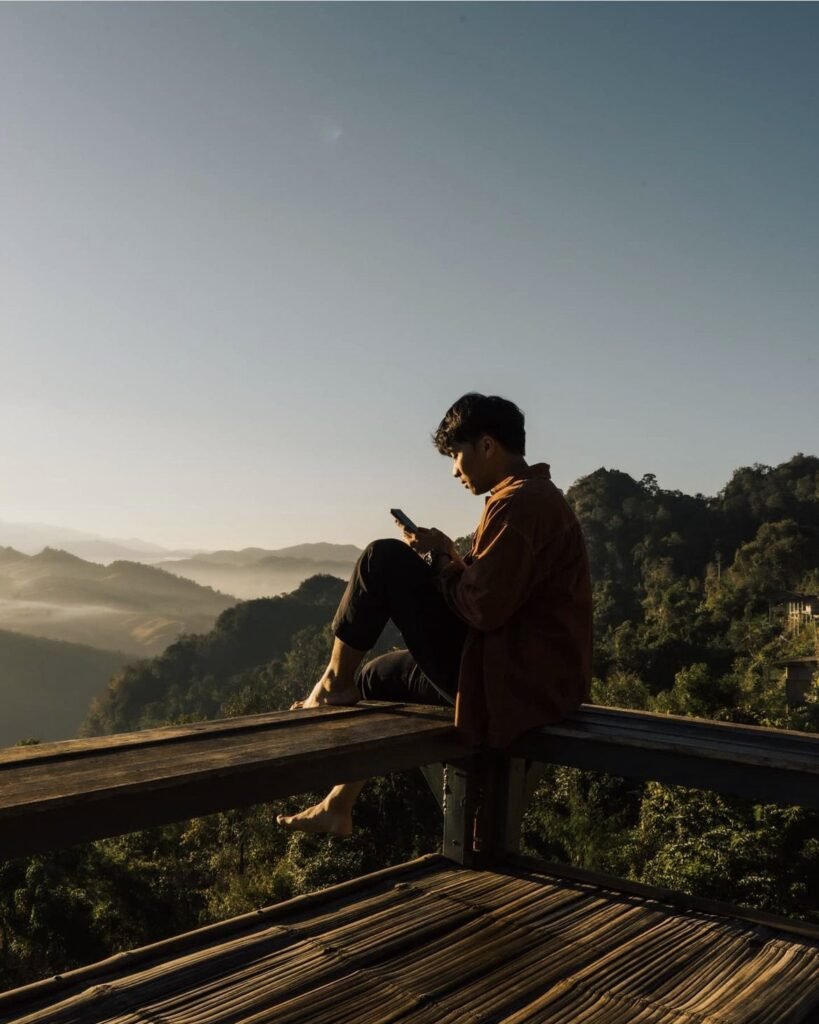
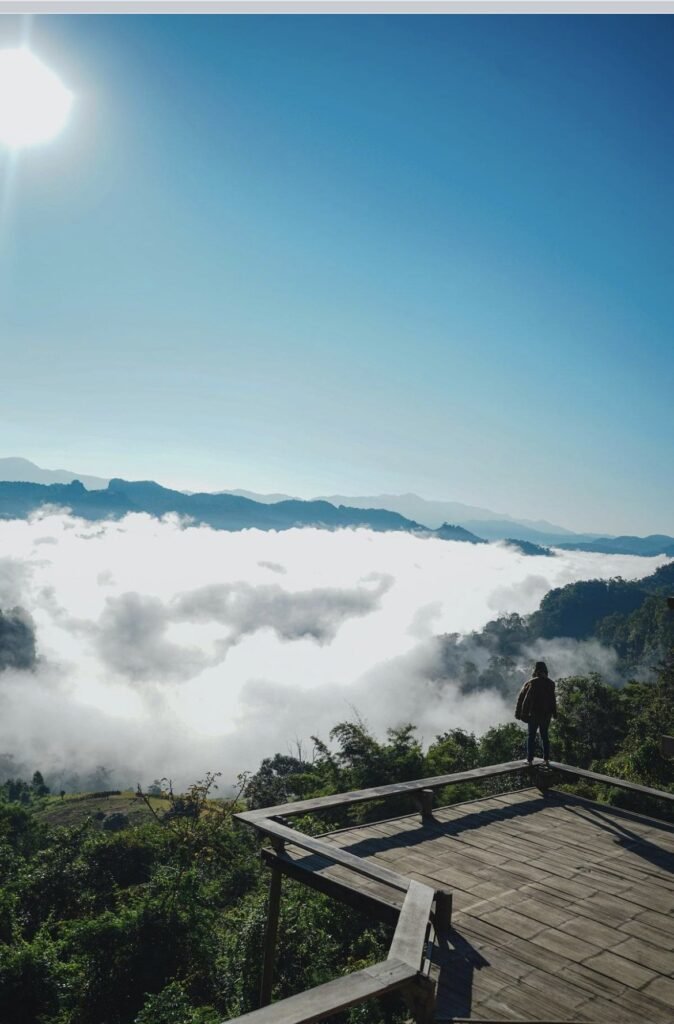
A Black Lahu hill village about 1.5 hours from Pai, known for misty sunrises over the hills. The view is the reason to come, so stay the night and be there at dawn. Most homestays don’t use booking sites; message them on LINE or WhatsApp in advance.
The road up is narrow and rough, with only roadside parking. Nights get cold, and many food stalls close by late afternoon, so eat early. In the morning, have coffee and breakfast with a view at Dekdoi Coffee Jabo or Noodle Soup House Ban Jabo, or climb to Ban Jabo Viewpoint for sunrise.
- Attraction Type
- Village
- Location
- Open in Google Maps
- Cost
- Free
- Best Time To Visit
- Sunrise




15Ban Jabo Viewpoint
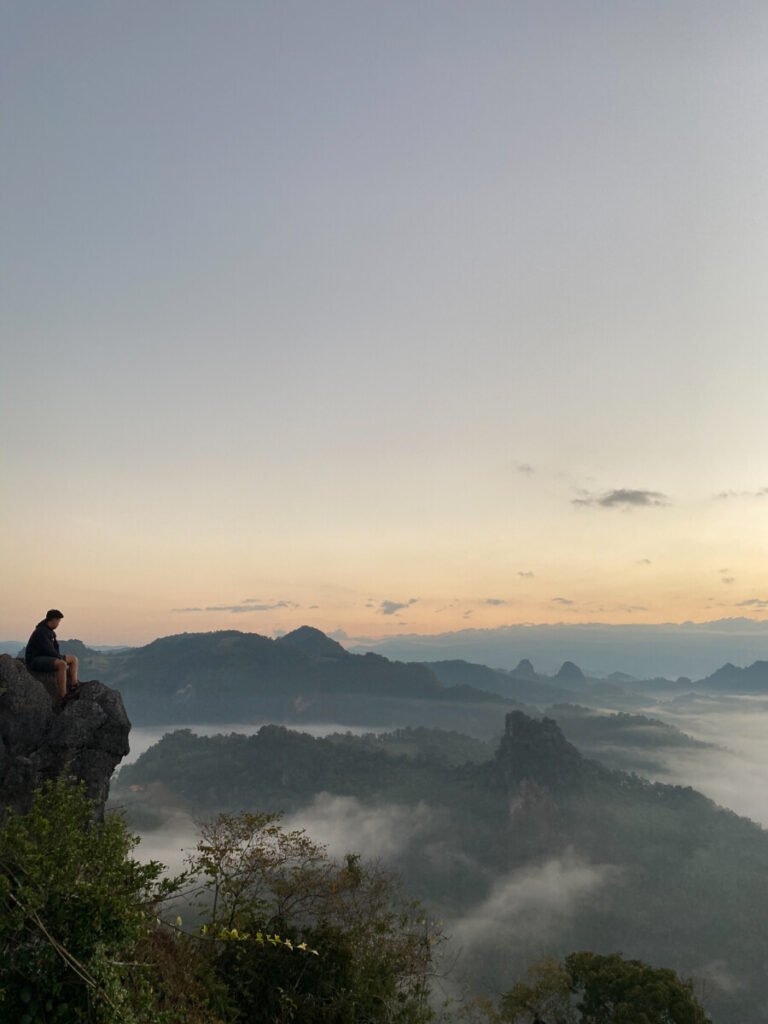
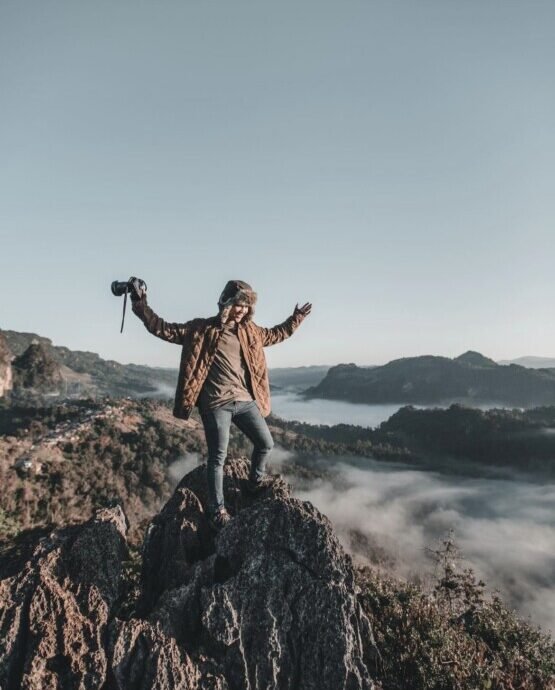
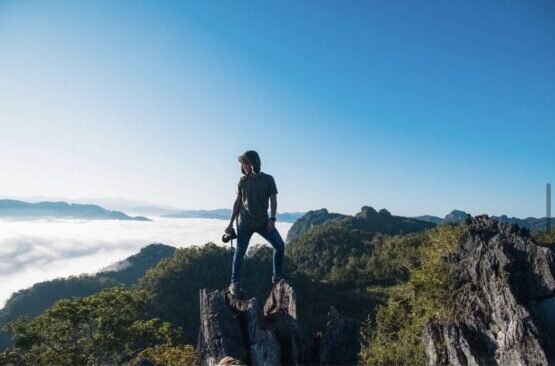
If you stay in Ban Jabo, this is the sunrise to get up for: a sea of cloud below you and 360° views over the village and the mountains. Locally it’s called Phu Pha Mok.
The community now requires you to go up with a guide, which you can arrange at Noodle Soup House (about ฿100 reported; check before you go). The trail starts beside the road here (map), though the start isn’t obvious. It’s a short, steep scramble of 10-20 minutes over sharp, slippery rocks, so wear proper shoes. The rocks at the top are uncomfortable to sit on while you wait, so bring something to sit on.
- Attraction Type
- Viewpoint
- Location
- Open in Google Maps
- Cost
- About 100 THB for the required guide (check before you go)
- Best Time To Visit
- Sunrise
- What to Pack
- Proper shoes / Warm jacket





16Ki Ko Kho Viewpoint
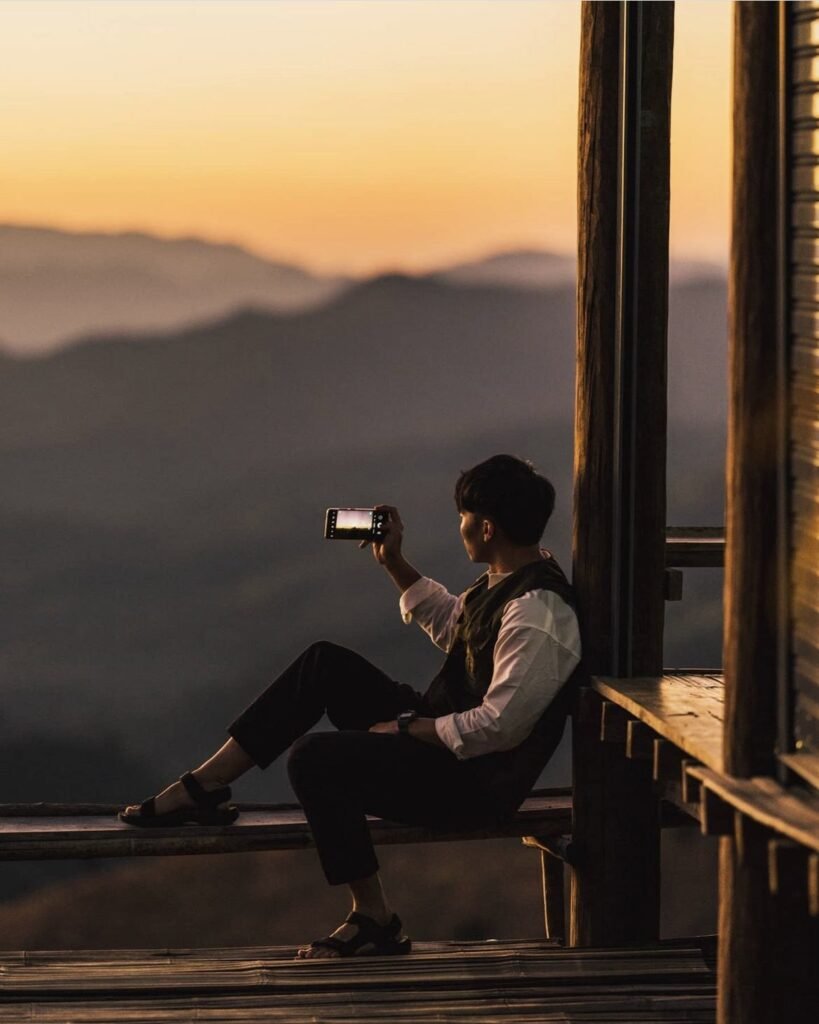
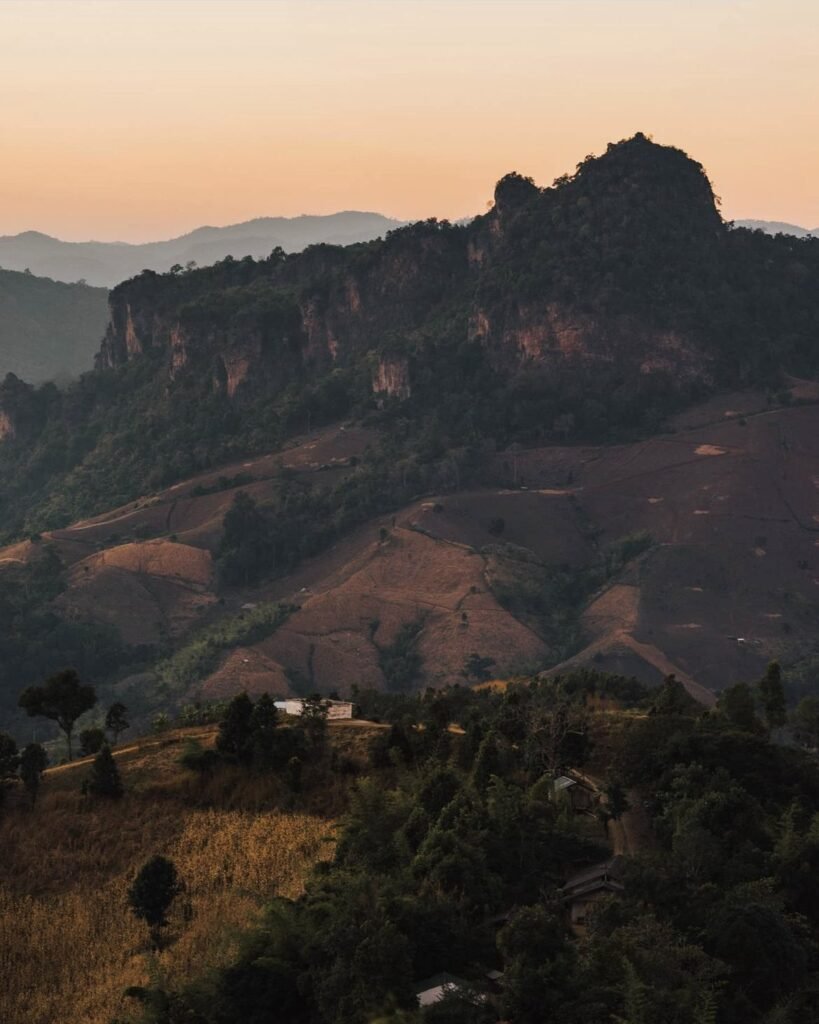
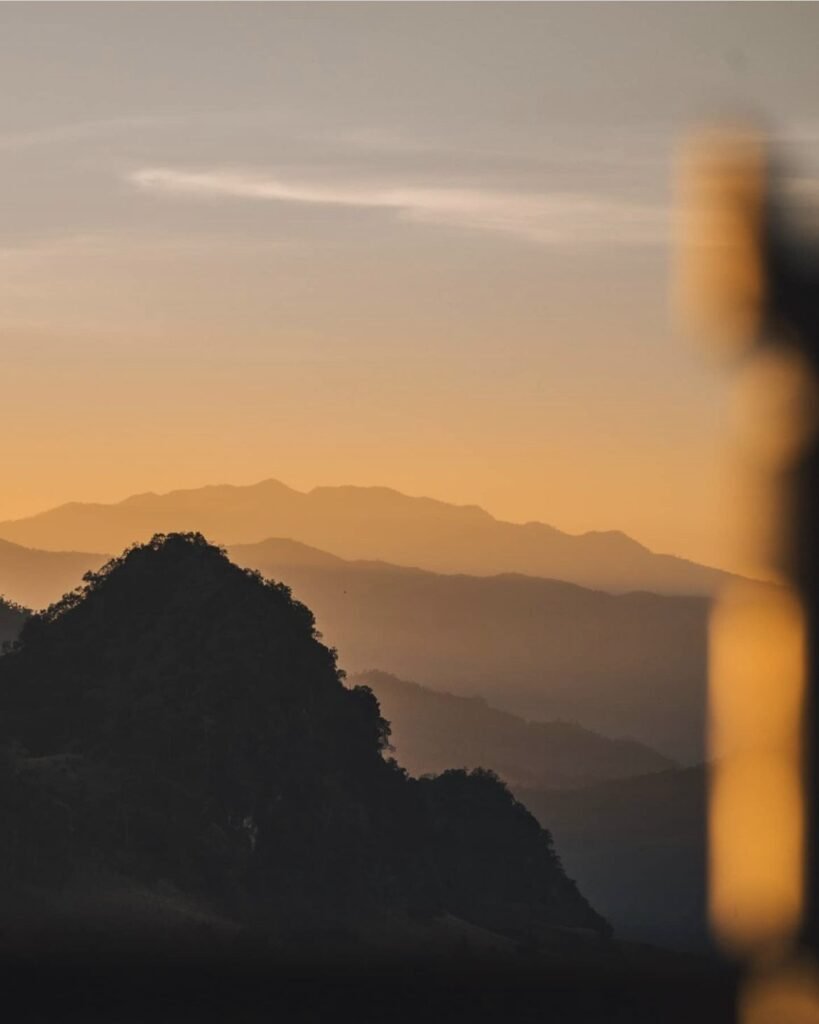
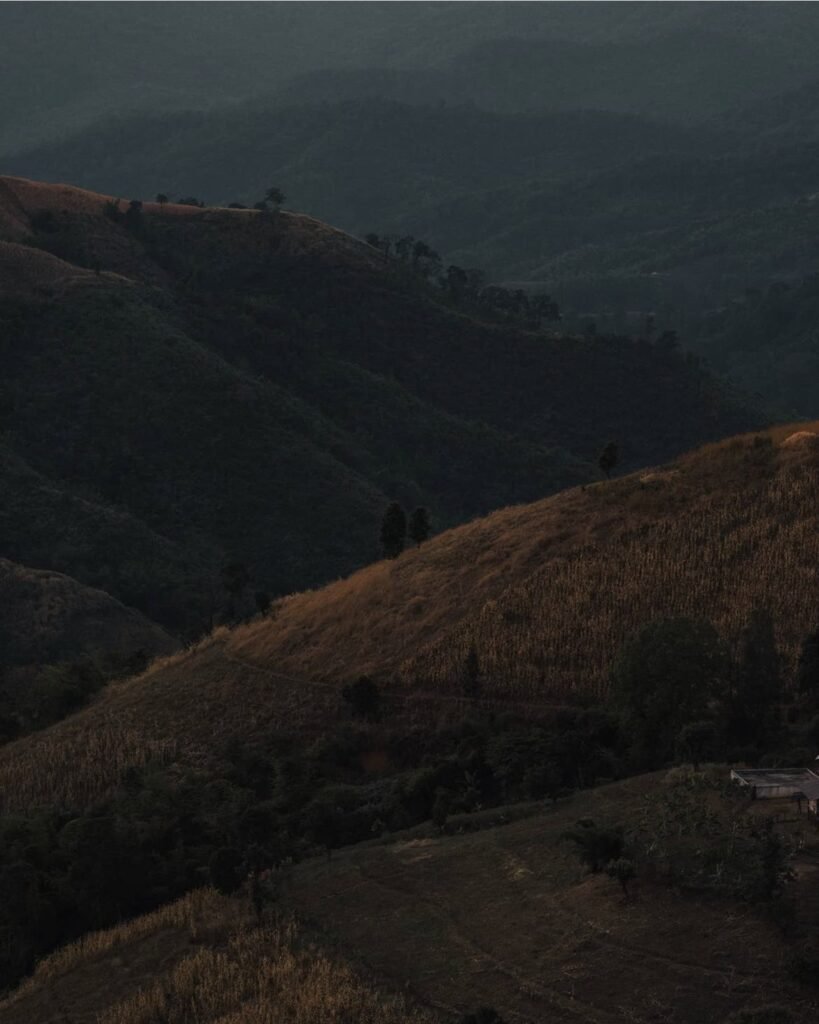
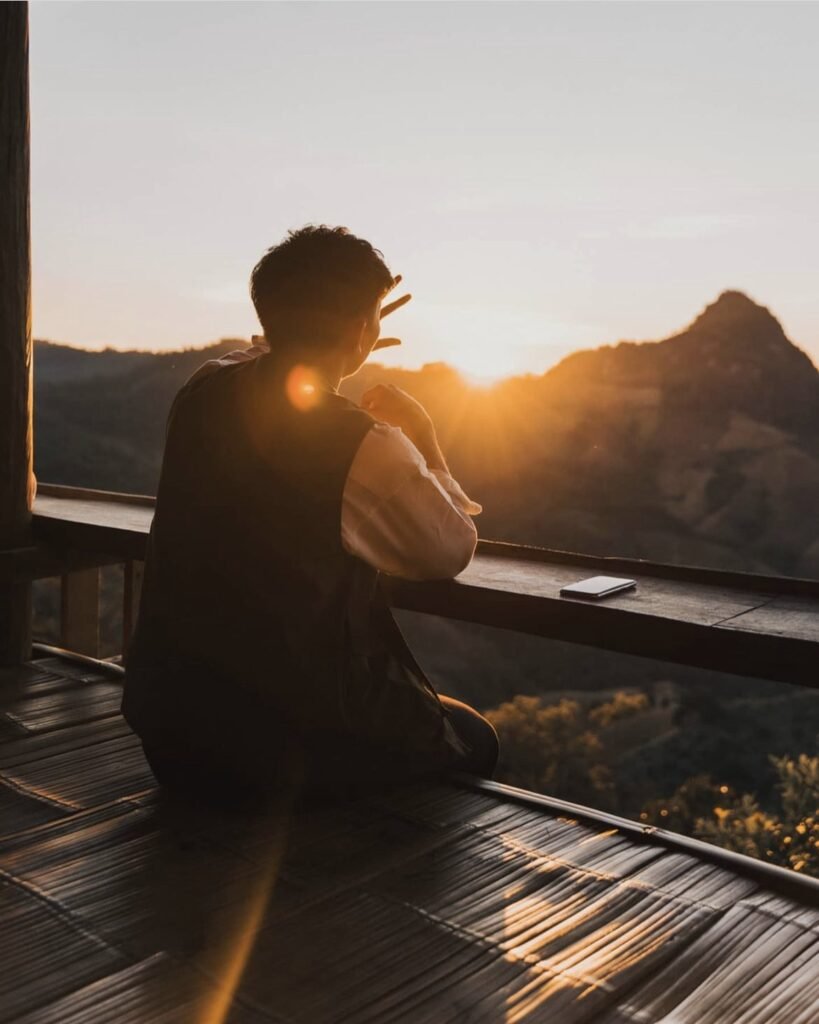
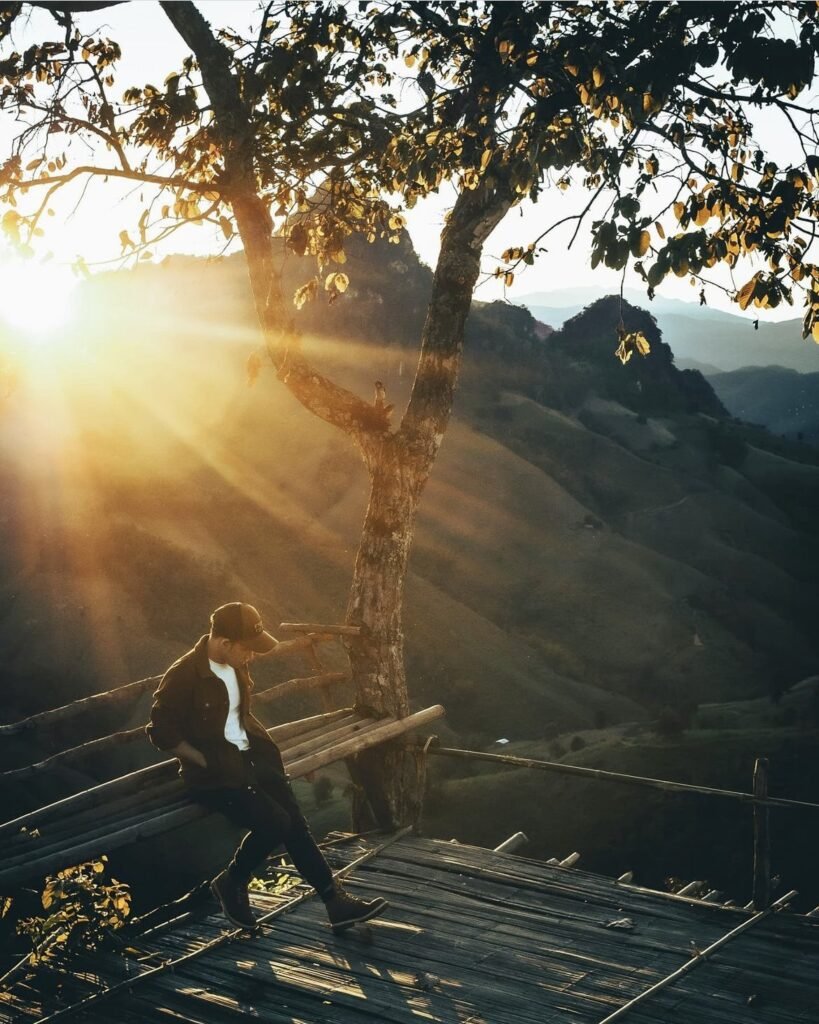
Few visitors get this far, about 10 km beyond Ban Jabo above the Lahu village of Ban Huai Hia, and that’s the appeal. A wooden terrace lets you sit with your legs over the edge and watch ridge after ridge turn gold at sunset. Get there 30 to 45 minutes before the sun goes down. Coffee and snacks are sold on site.
Stay the night and you get the cool-season sea of mist in the morning as well. There are a couple of small homestays and a camping area (book ahead), with tent pitches at around 150 to 200 THB and toilets close by. The west-facing cabins get warm in the afternoon.
- Attraction Type
- Viewpoint
- Location
- Open in Google Maps
- Cost
- Free (buy a drink)
- Best Time To Visit
- Sunset, or sunrise for the mist
- Opening Hours
- Daily, 07:00 to 19:00 (cafe); overnight guests and campers can stay for sunrise
- How To Get There
- Take the Ban Jabo road and continue about 10 km uphill
- What to Pack
- Warm jacket

17Kanlaya's Eyrie
A small luxury homestay in the jungle near Tham Lod, built from river stone and timber by Kanlaya Opothisit and Philip Paxman. Suites have their own jacuzzis and look across the valley towards the Myanmar border.
The hosts personally guide treks, kayaking and visits to nearby hill-tribe villages. It’s a peaceful base for Tham Lod Cave, Ban Jabo and the road on to Mae Hong Son. Rooms often book out, so email well ahead.
- Attraction Type
- Homestay
- Location
- Open in Google Maps
- Cost
- Varies by suite
- Best Time To Visit
- November – February
- Number
- +66 91 478 3465
- How To Get There
- About 55 km from Pai by road, off the Pai – Mae Hong Son road near Tham Lod
Mae Hong Son Town and the North
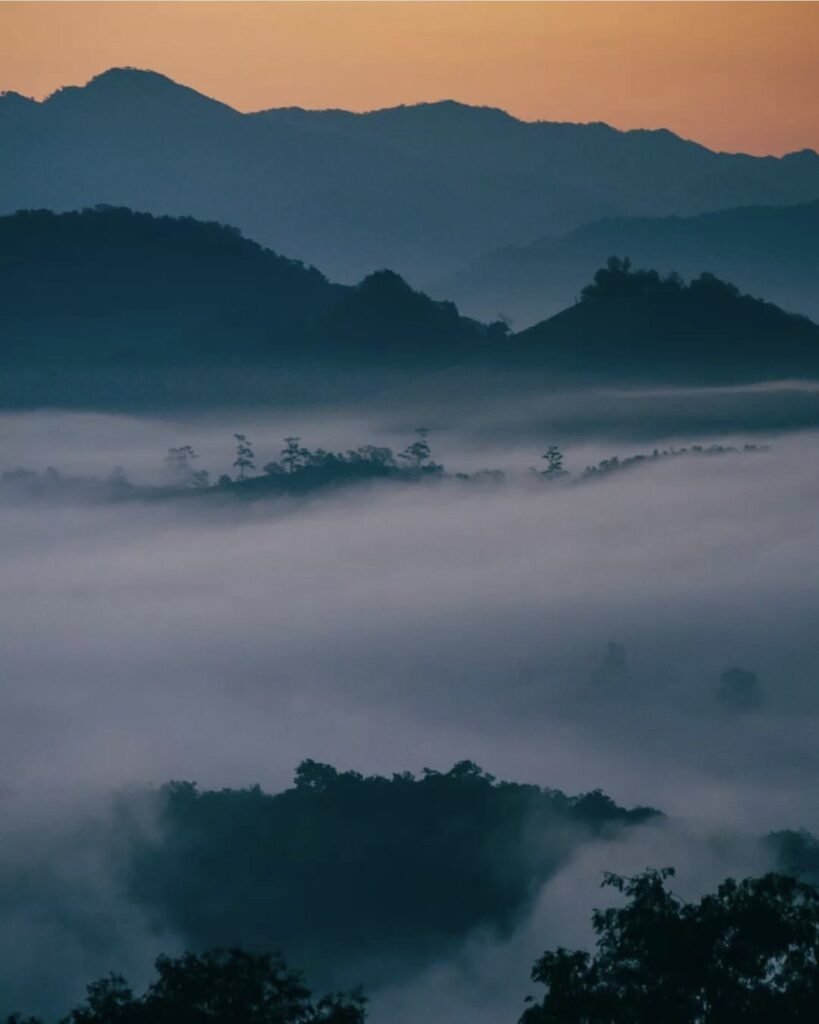
The provincial capital sits in a quiet valley near the Myanmar border, with Doi Kong Mu and the Su Tong Pae bridge close by. From here, mountain roads climb north to the pine-ringed lakes and the Yunnanese village of Ban Rak Thai. Stay up there for a night if you can.





18Wat Phra That Doi Kong Mu
Mae Hong Son’s best-known landmark: two white Shan-style chedis on the hill above town. The larger was built in 1860 to hold relics brought from Mawlamyine in Myanmar, the smaller in 1874 on the orders of the province’s first governor. The terrace looks straight down over the town and the valley, with the airport runway right below, so you’ll see planes come in to land.
Come for sunset, arriving 30 to 40 minutes early for a spot on the western railing, or at dawn in the cool season, when mist fills the valley. A paved road goes to the top. If you’d rather walk, the steep old stairway from town takes about 20 minutes.
- Attraction Type
- Temple / Viewpoint
- Location
- Open in Google Maps
- Cost
- Free
- Best Time To Visit
- Sunset, or sunrise November – February
- Opening Hours
- Daily, 05:00 to 21:00
- How To Get There
- A short drive or songthaew ride up the hill on the western edge of town
- What to Pack
- Clothing that covers shoulders and knees / A light layer


19Su Tong Pae Bridge
Thailand’s longest bamboo bridge runs for around 500 metres across the Mae Sa Nga river and the rice fields of Kung Mai Sak village to the hillside temple of Wat Tham Phu Sama. Villagers and monks built it together so the monks could cross the fields on their morning alms round, and its name means “successful prayer” in Tai Yai. Floods in August 2026 broke the section over the river, so you may not be able to cross to the temple; check before you go.
The alms round is why you should come early: the monks usually cross at around 6:30am, often in light fog. Dress respectfully and keep some distance while alms are being given. The fields are greenest in the rainy season. Entry is free, with a donation box for upkeep, and small cafes and souvenir stalls line the entrance.
- Attraction Type
- Bamboo Bridge / Temple
- Location
- Open in Google Maps
- Cost
- Free (donations welcome)
- Best Time To Visit
- Early morning for the alms round
- Opening Hours
- 6am – 6pm
- How To Get There
- About 15-20 minutes from Mae Hong Son town
- What to Pack
- Clothing that covers shoulders and knees






20Pang Ung
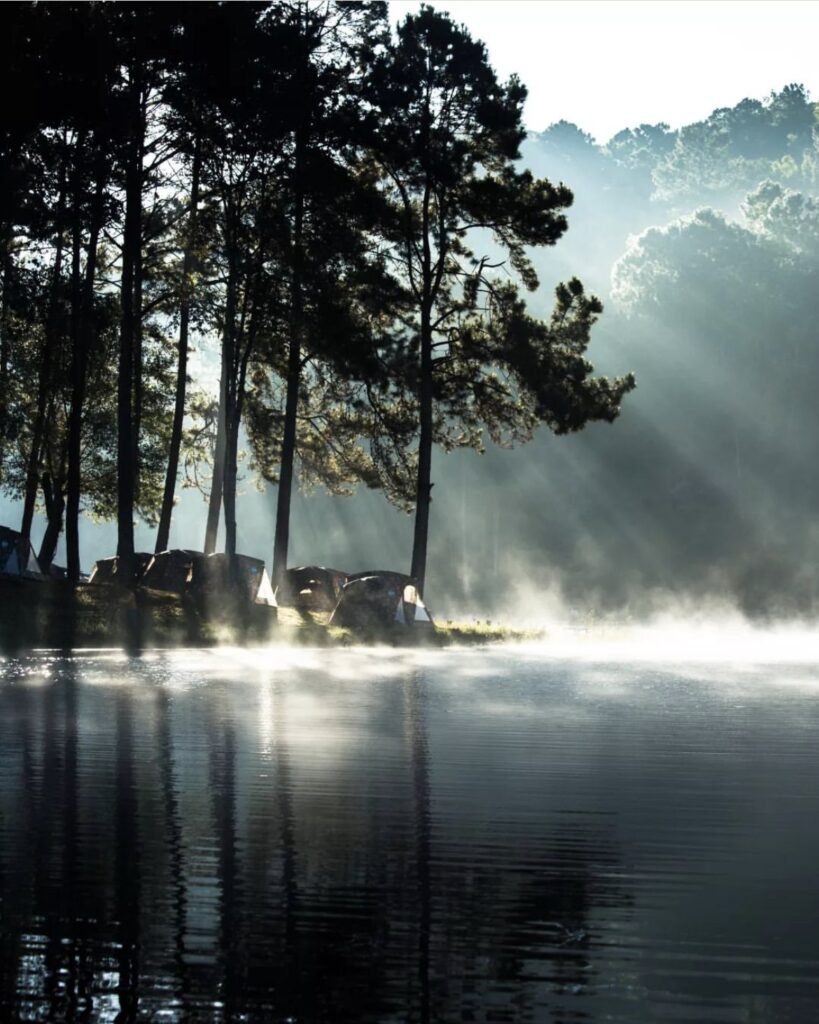
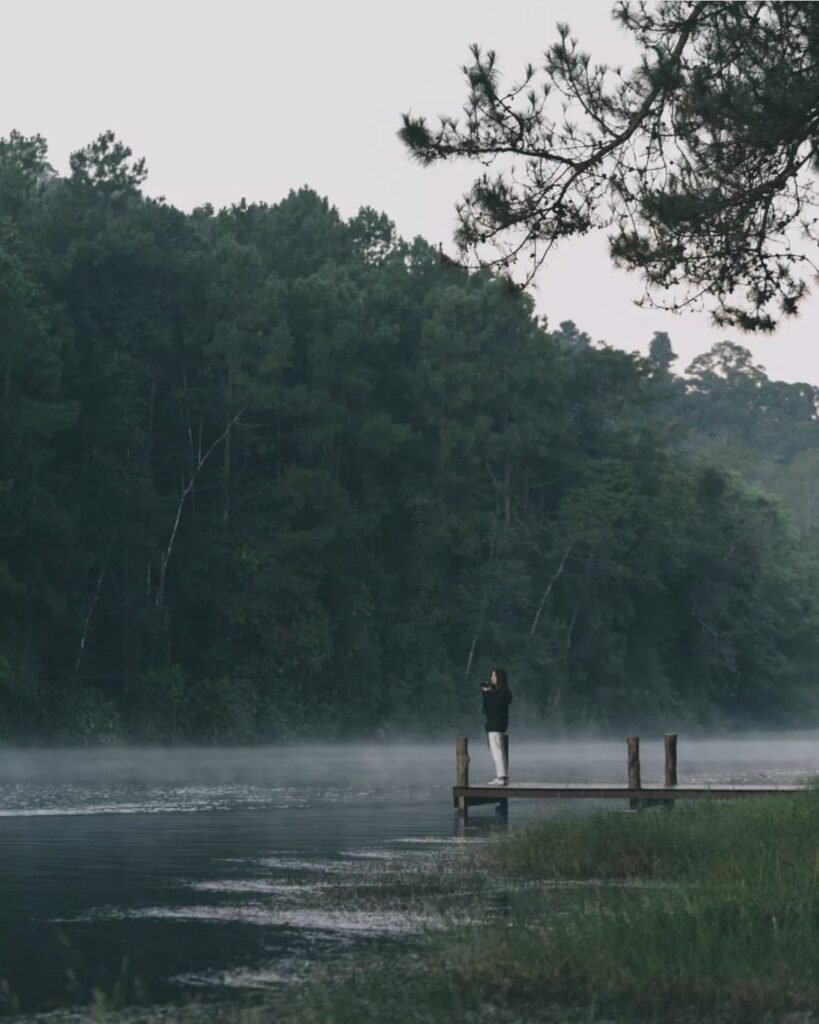
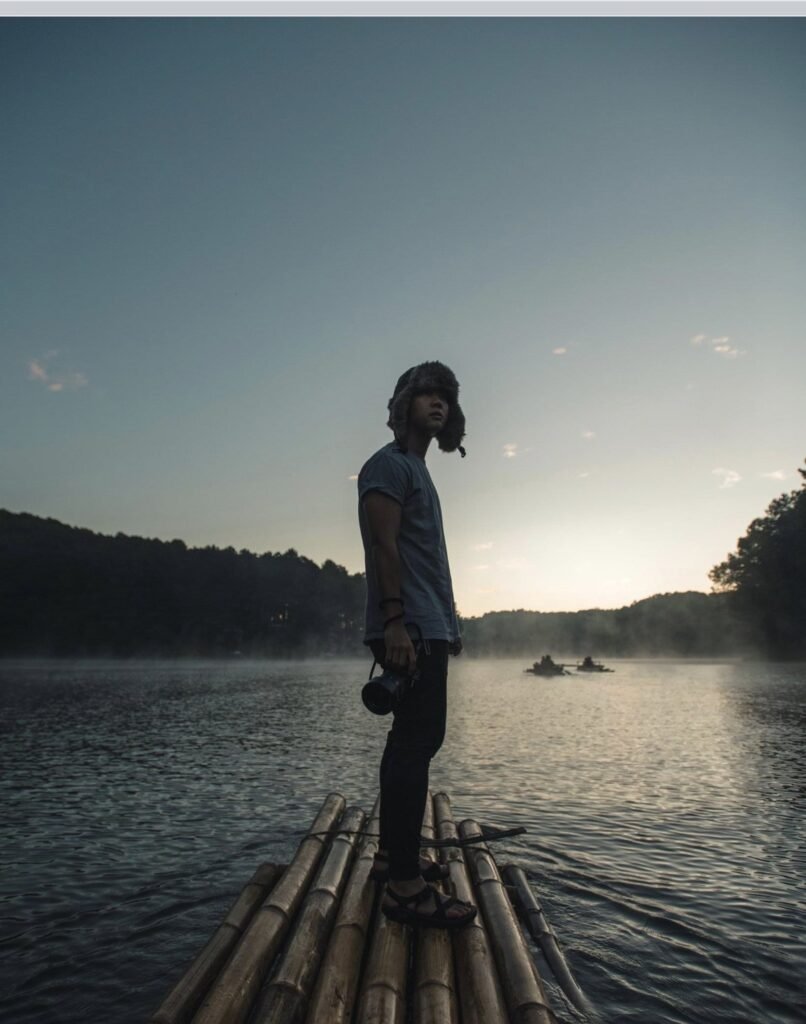
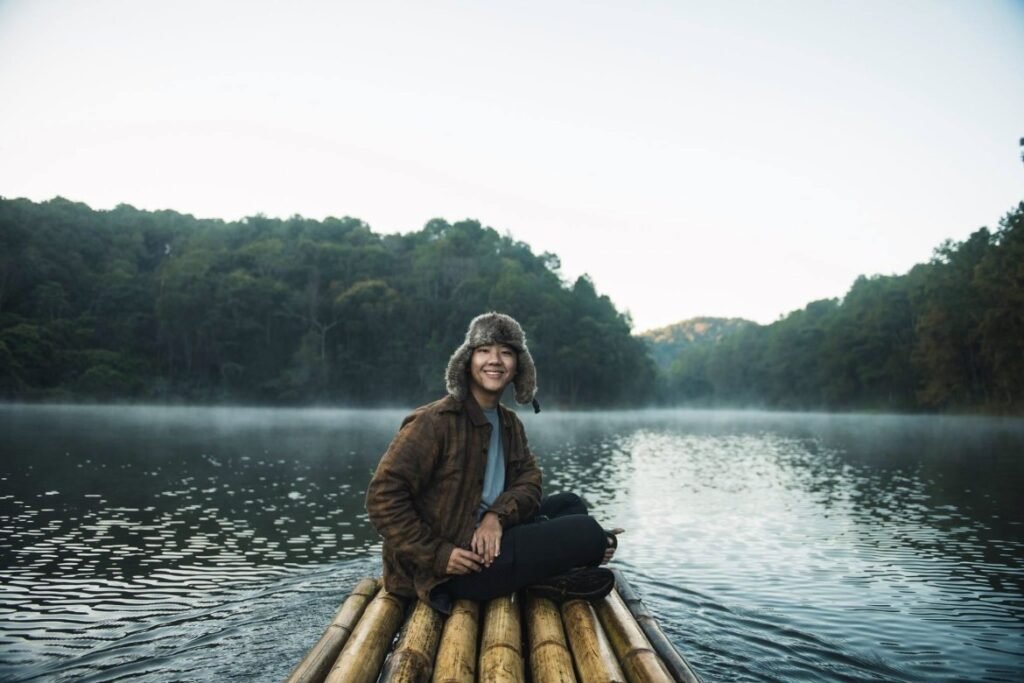
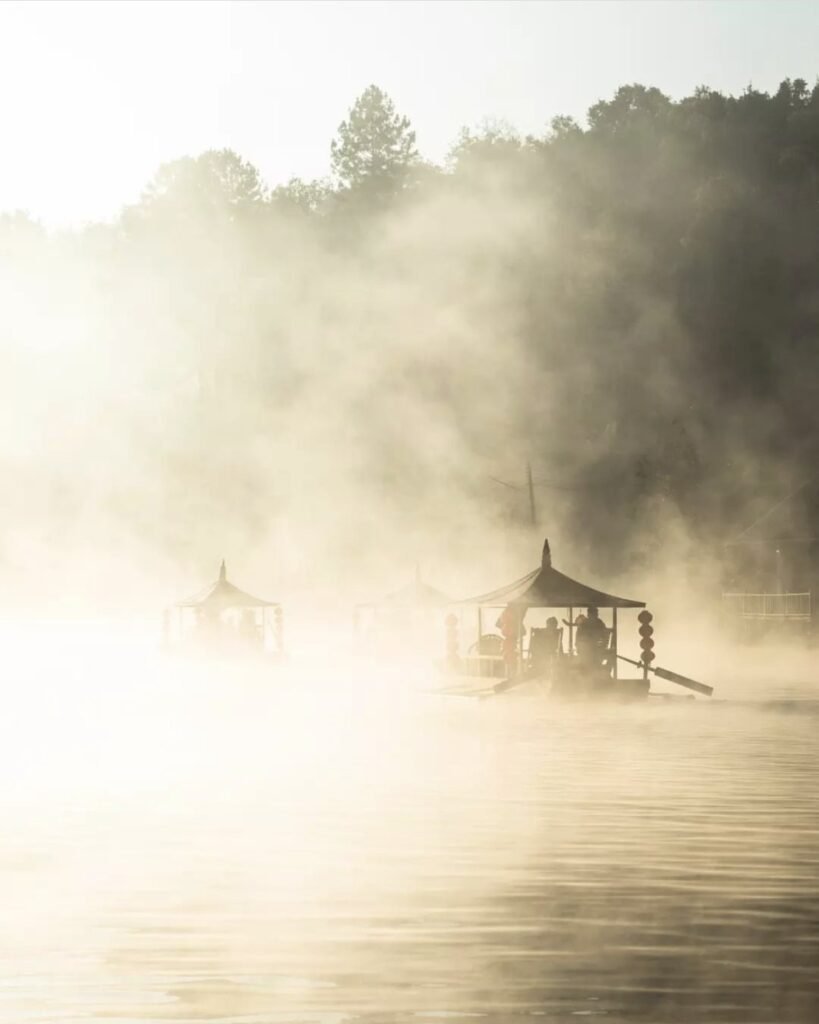
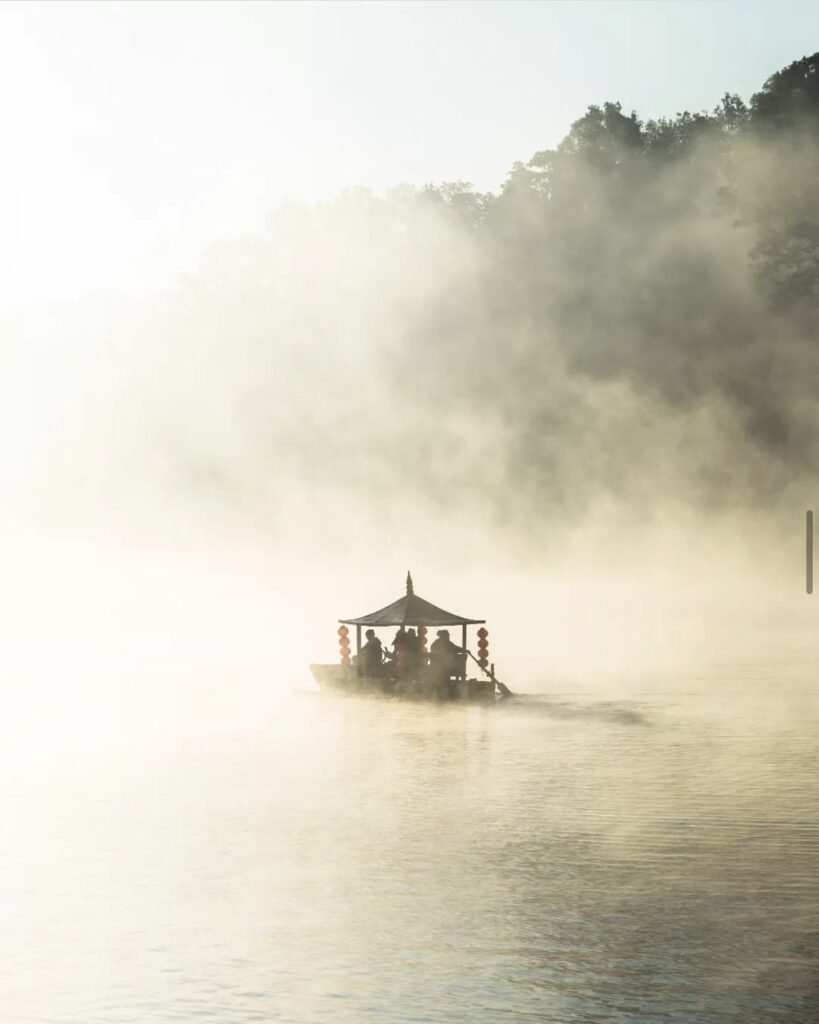
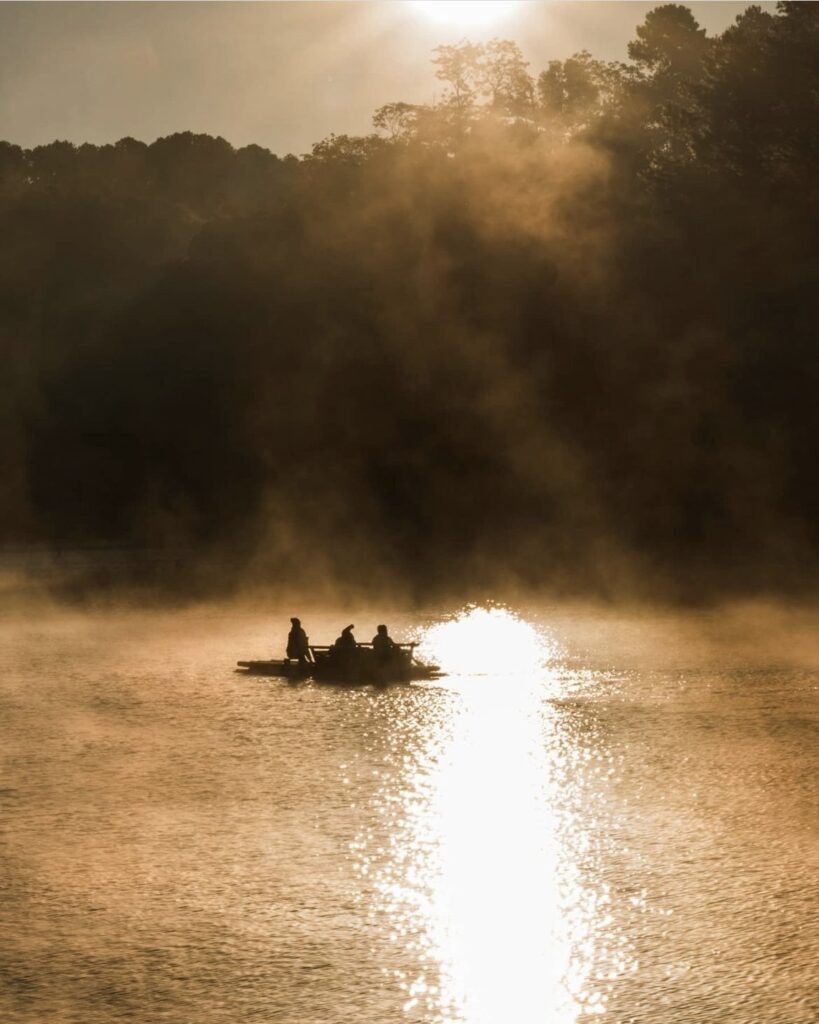
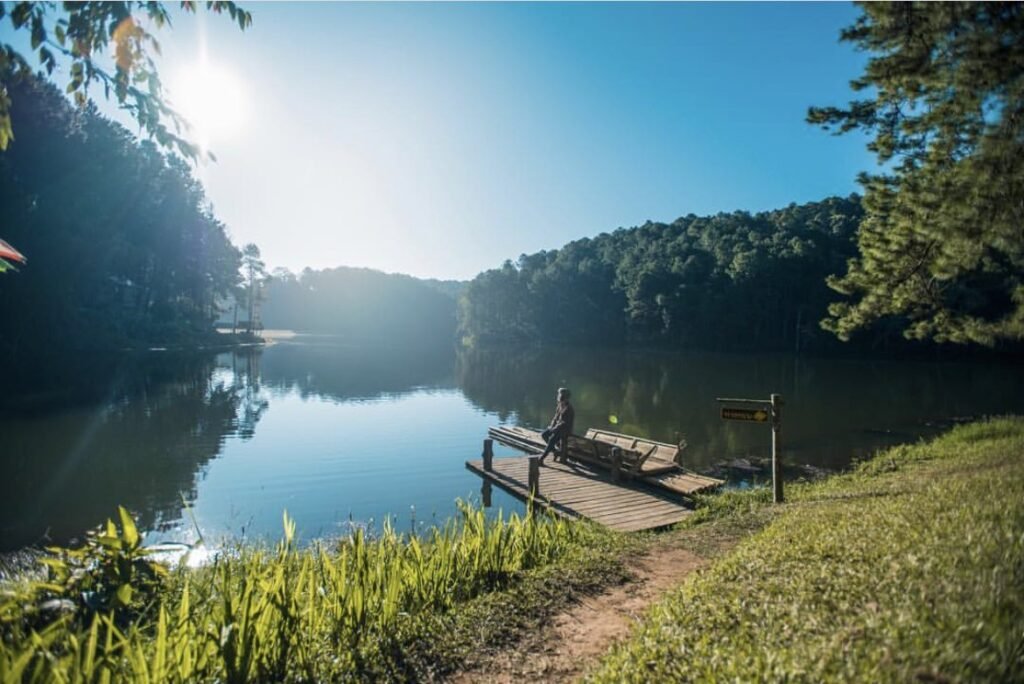
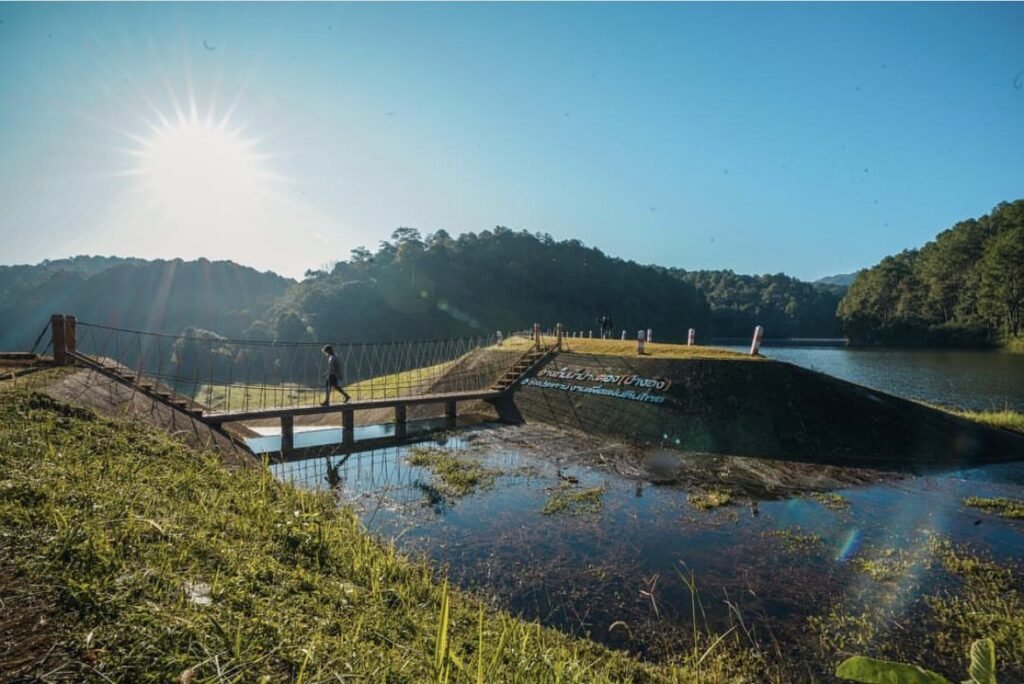
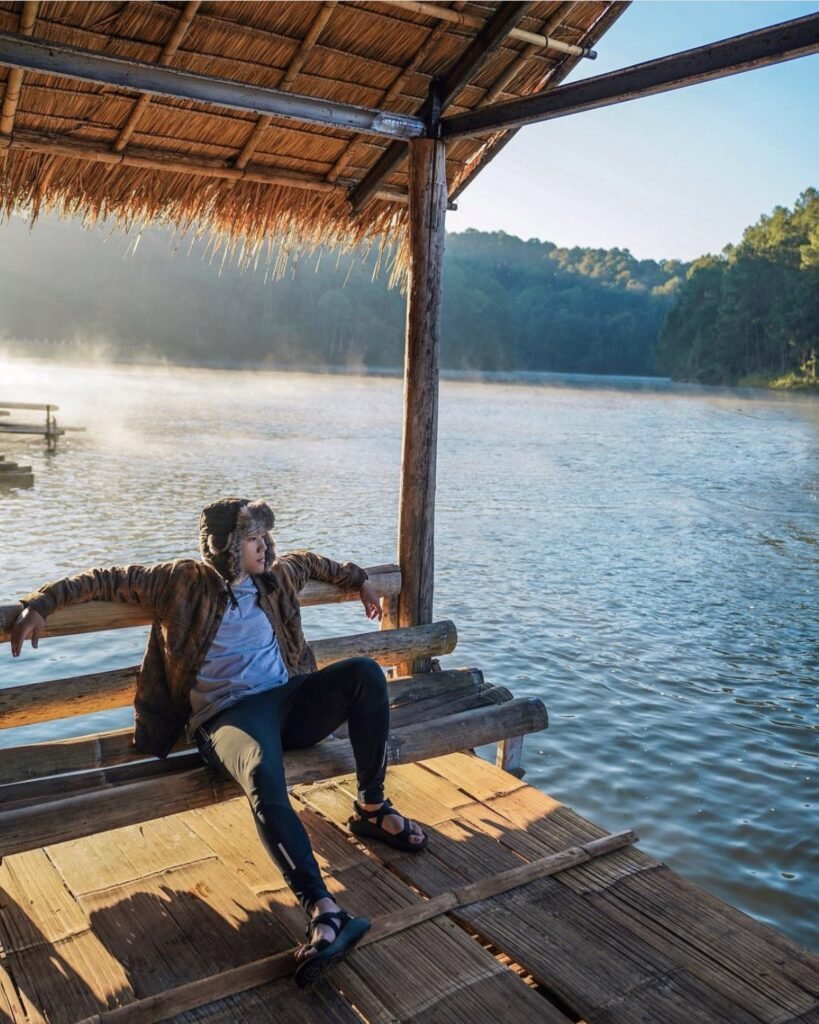
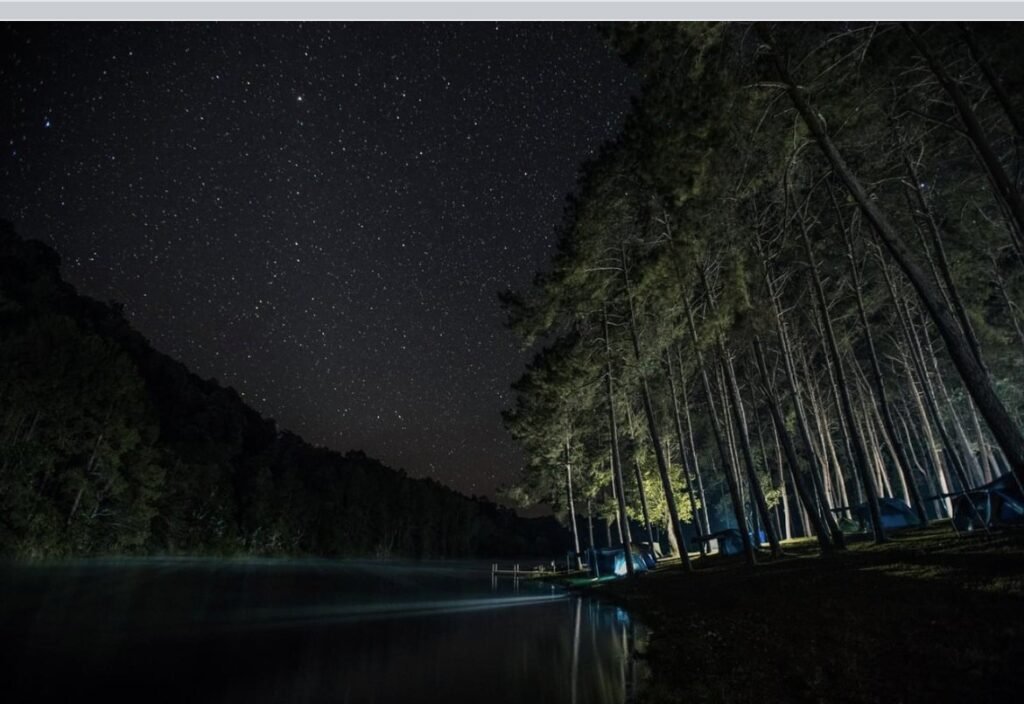
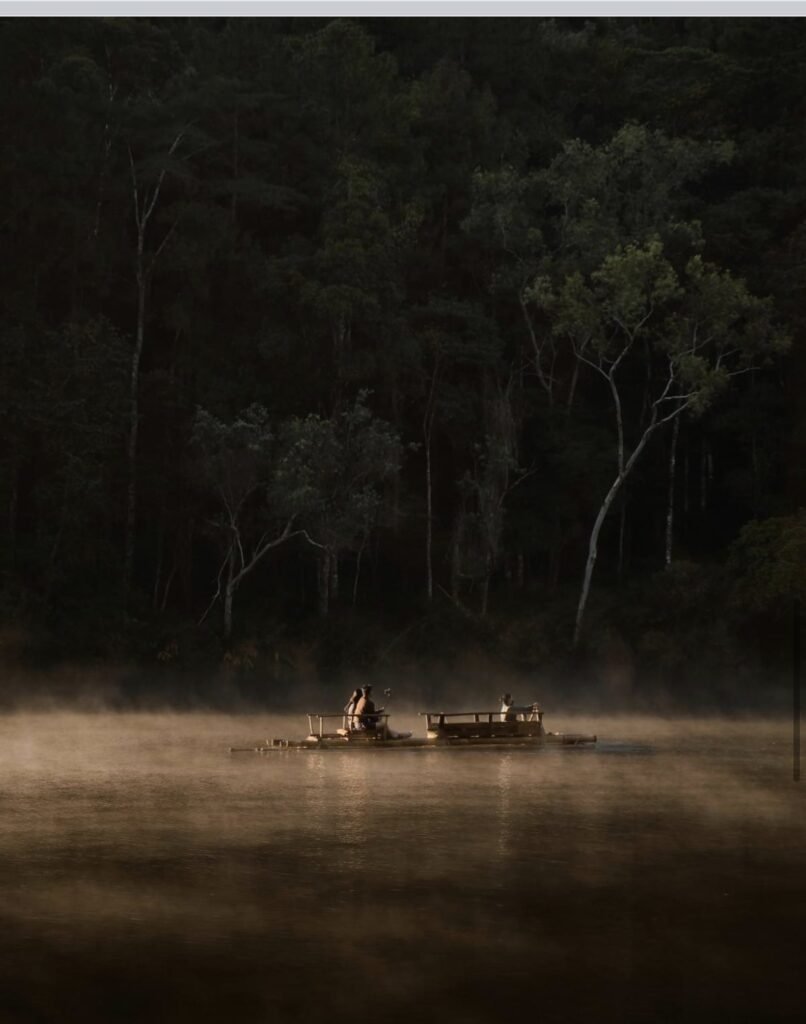
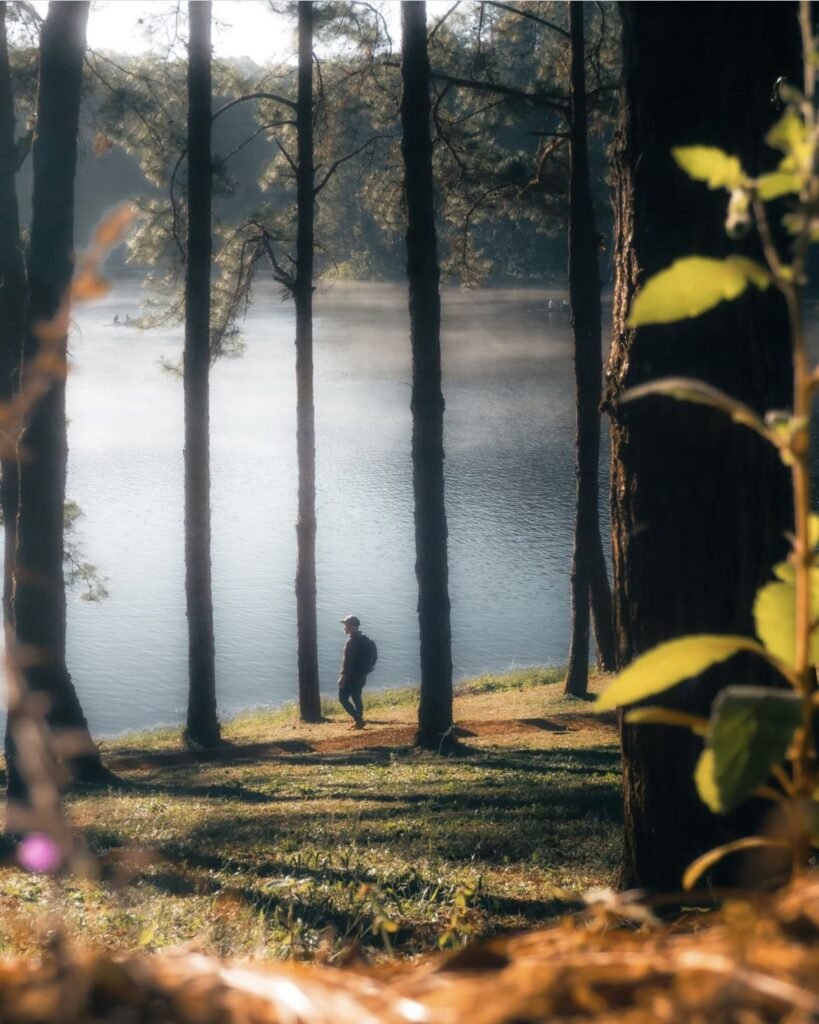
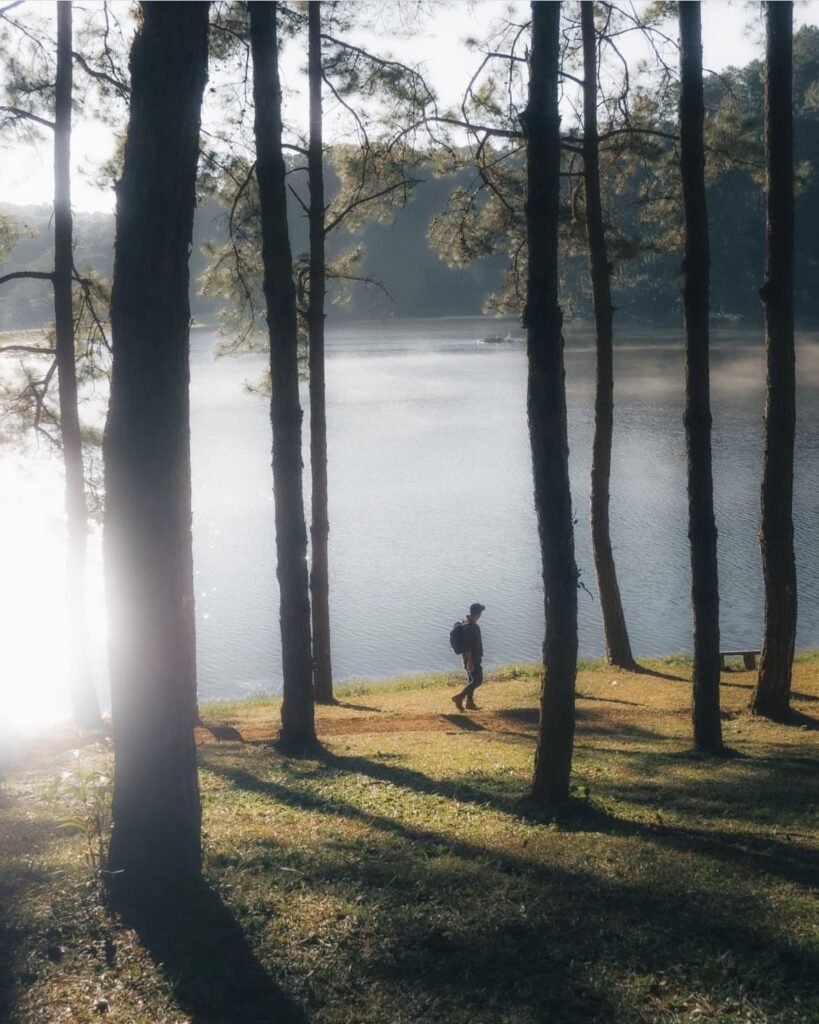
A pine-ringed reservoir in the hills, officially the Pang Tong Royal Development Project 2, about an hour north of Mae Hong Son town inside Tham Pla – Namtok Pha Suea National Park. Thai visitors call it the Switzerland of Thailand, and on a cool-season morning, with mist rolling off the water and the pines reflected in the lake, the comparison makes sense.
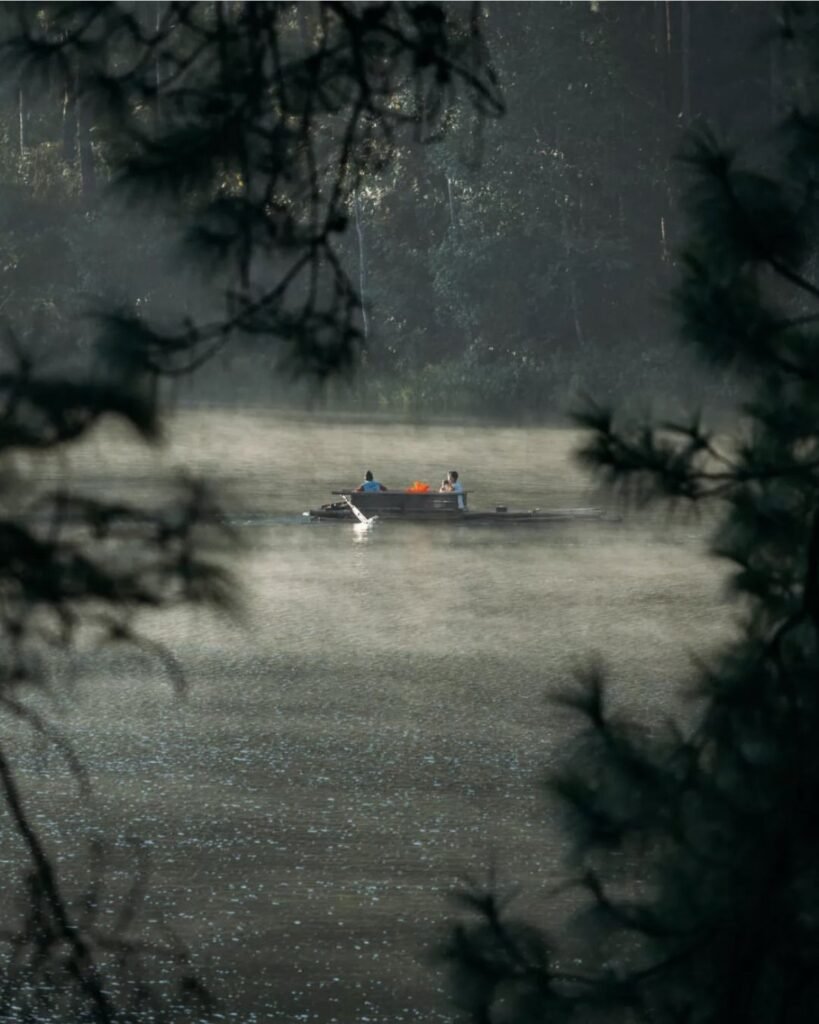
Sunrise is the time to be here, so stay the night: there’s a lakeside campsite and park tents, booked through the Department of National Parks website. Afterwards, take a bamboo raft out among the swans. The season opens on 1 October. The road in is steep, narrow and winding, so allow extra time.
- Attraction Type
- Lake / Camping
- Location
- Open in Google Maps
- Cost
- 100 THB for foreign adults, 20 THB for Thai adults (the same national park ticket covers Pha Suea Waterfall and Tham Pla). Bamboo raft about 150 THB per raft for two, 20 to 30 minutes
- Best Time To Visit
- Sunrise, November – February
- Opening Hours
- Daily from early morning; season opens 1 October
- Website
- Book camping (National Parks)
- How To Get There
- About 44 km from Mae Hong Son town on a steep, winding road; allow an hour
- What to Pack
- Warm jacket / Cash
21Pha Suea Waterfall
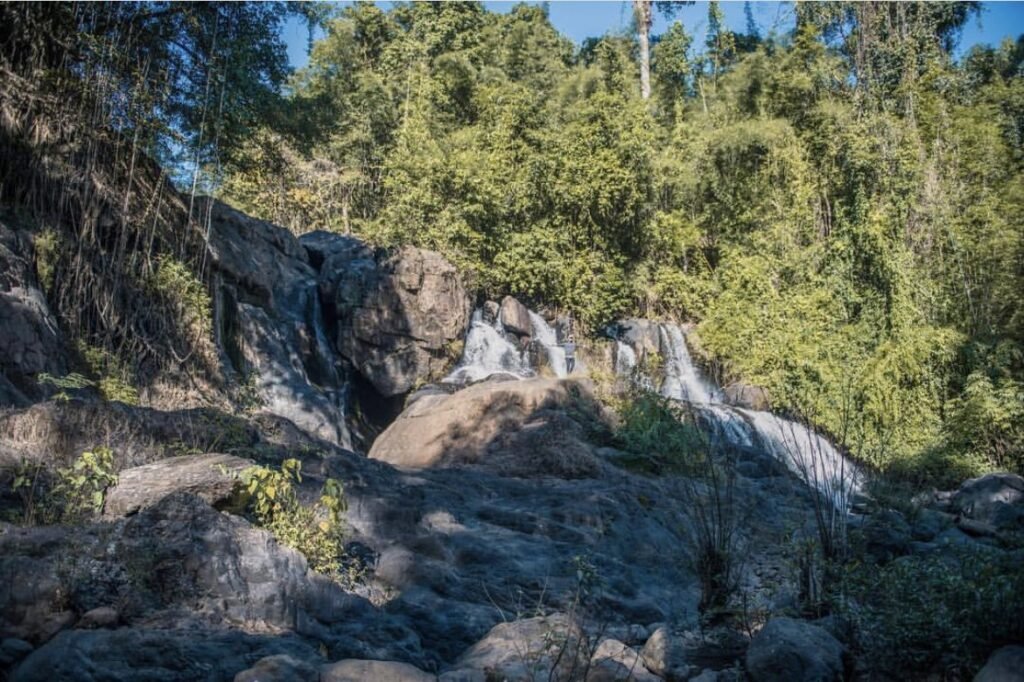
An easy stop on the road north to Pang Ung and Ban Rak Thai, right beside the car park. The waterfall is only about 10 metres high but spreads wide across a broad shelf of rock, which gives it its name: “pha suea” means mat cliff. Mahseer fish fill the pool at the base.
It’s at its best from the rainy season through to around mid-January. Swimming is allowed, but watch the current after heavy rain. Keep your national park ticket, as it’s also valid at Pang Ung and Tham Pla, the Fish Cave.
- Attraction Type
- Waterfall
- Location
- Open in Google Maps
- Cost
- 100 THB for foreign adults, 50 THB for children (national park ticket, also valid at Pang Ung and Tham Pla)
- Best Time To Visit
- June – mid January
- Opening Hours
- Daily, 08:00 to 16:30
- How To Get There
- About 26 km north of Mae Hong Son town, on the way to Pang Ung
- What to Pack
- Swimwear / Shoes with grip


22Ban Rak Thai
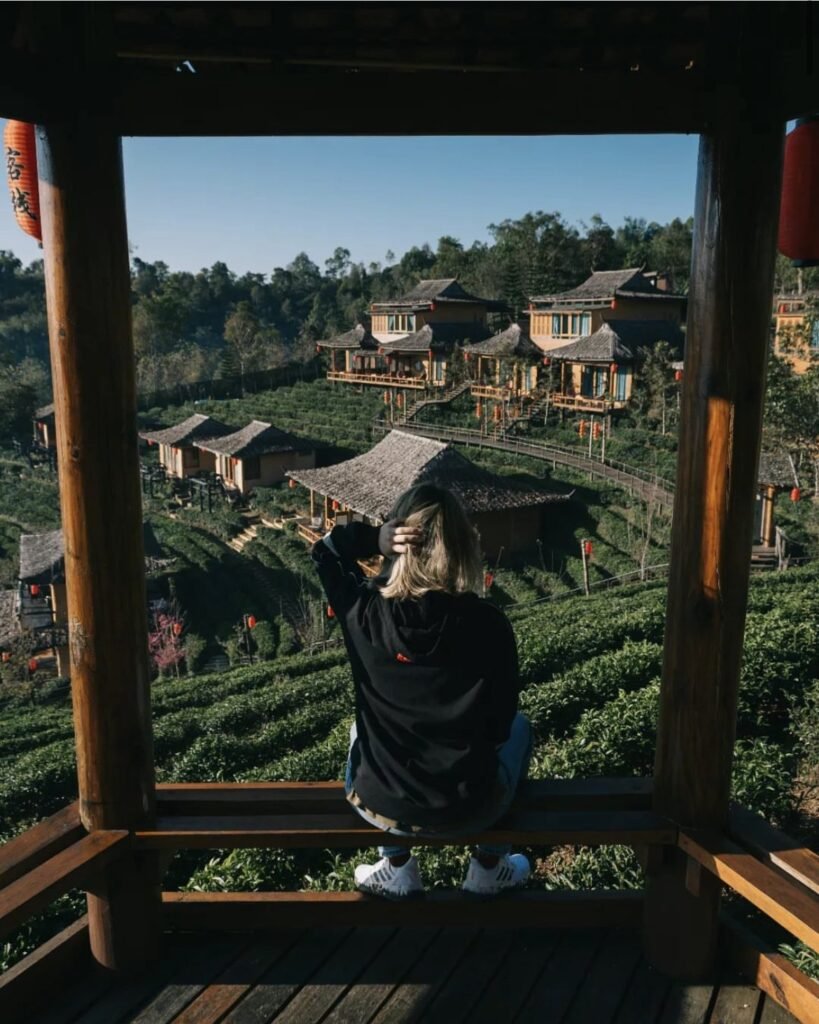
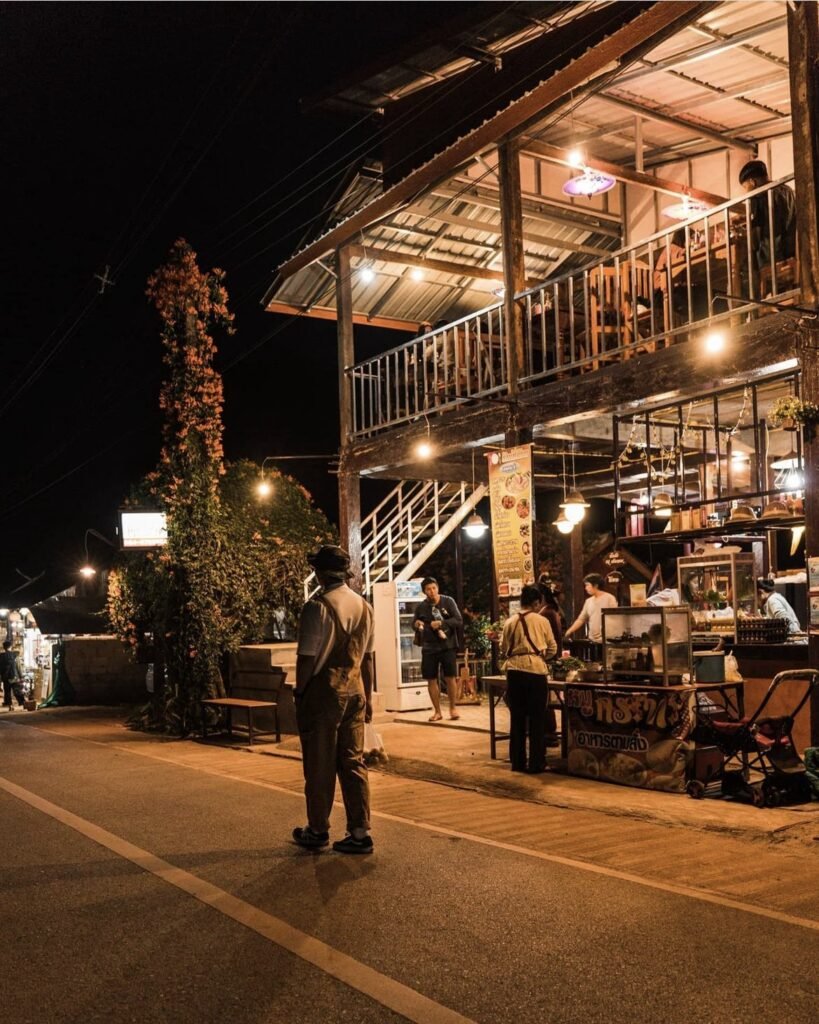
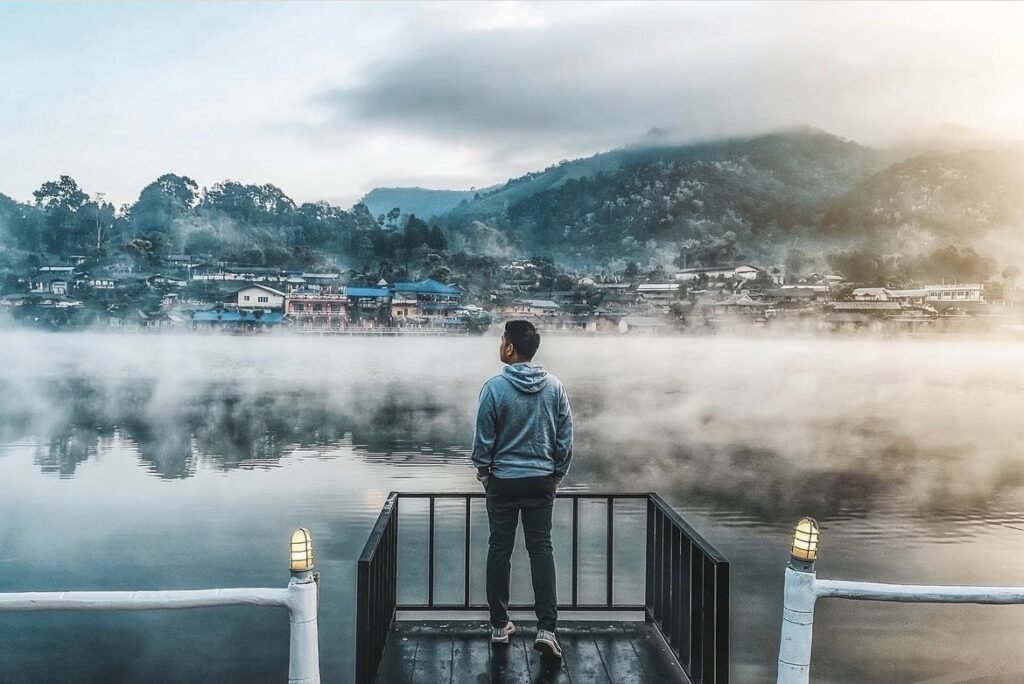
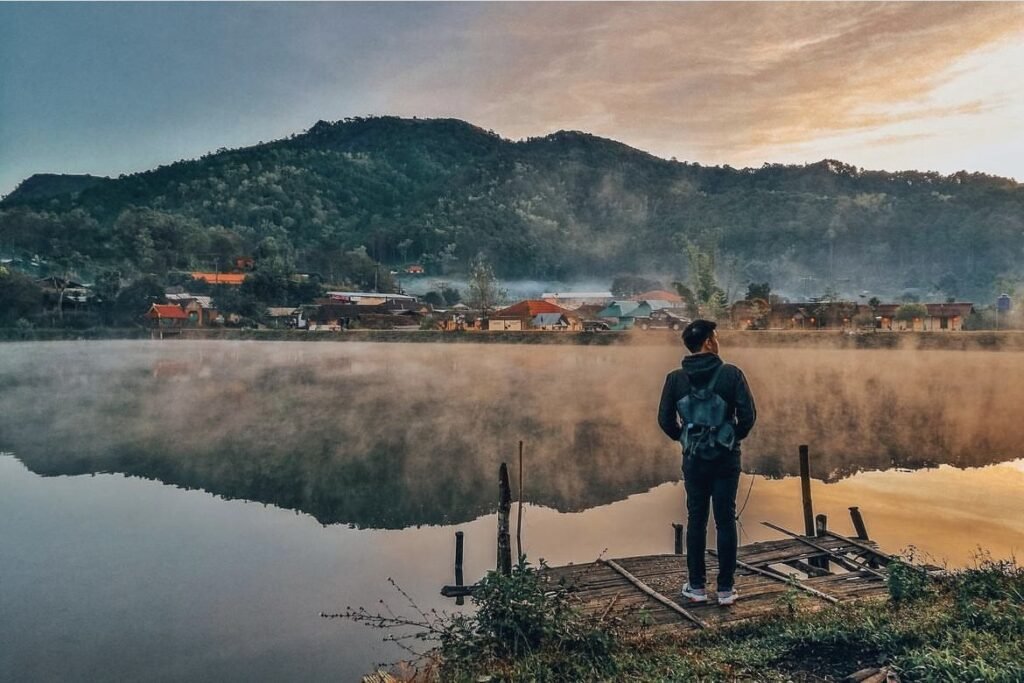
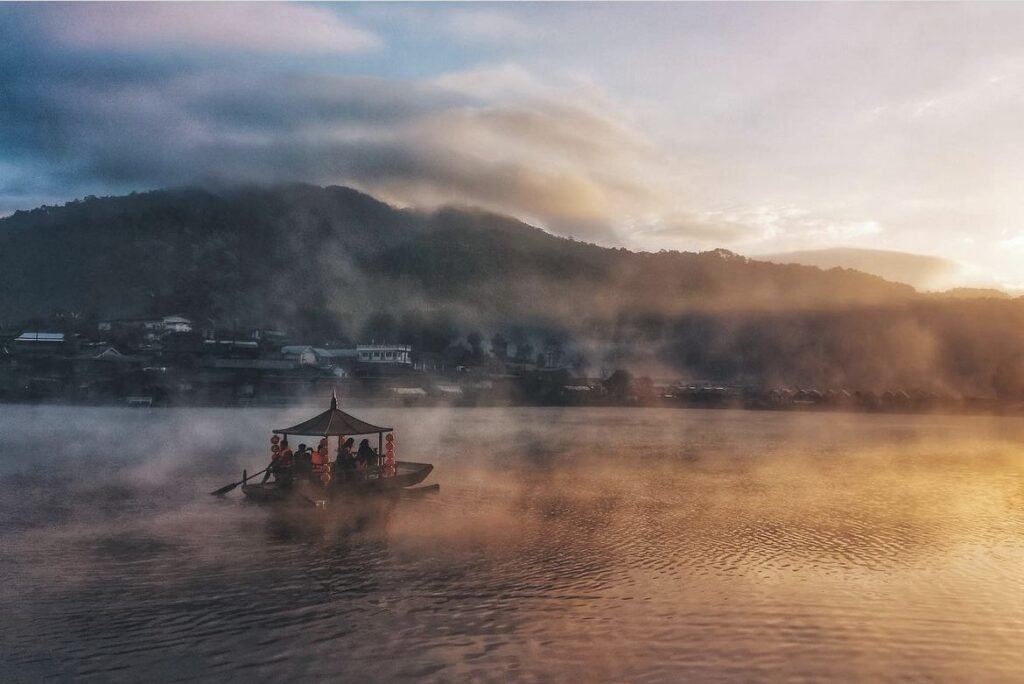
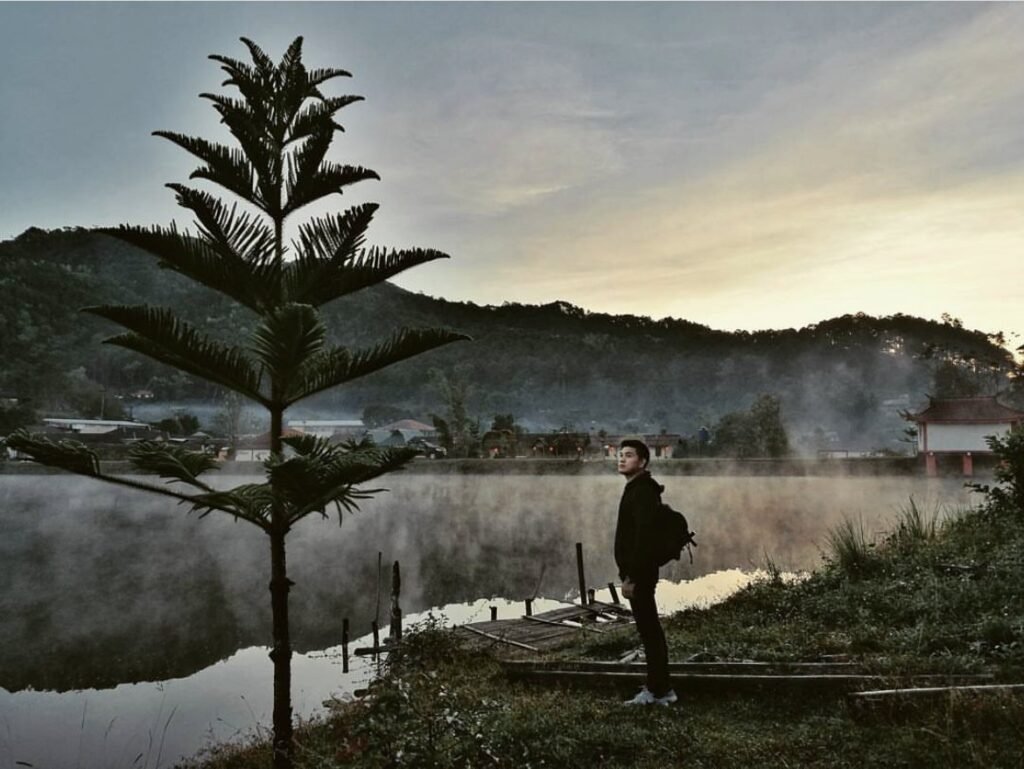
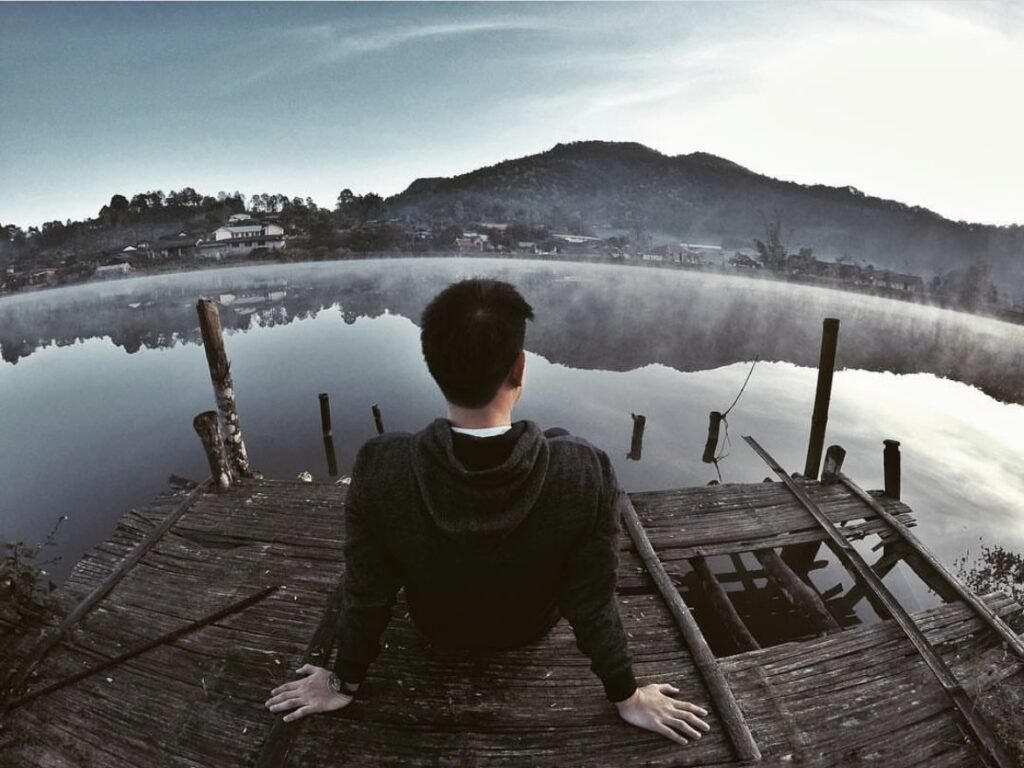
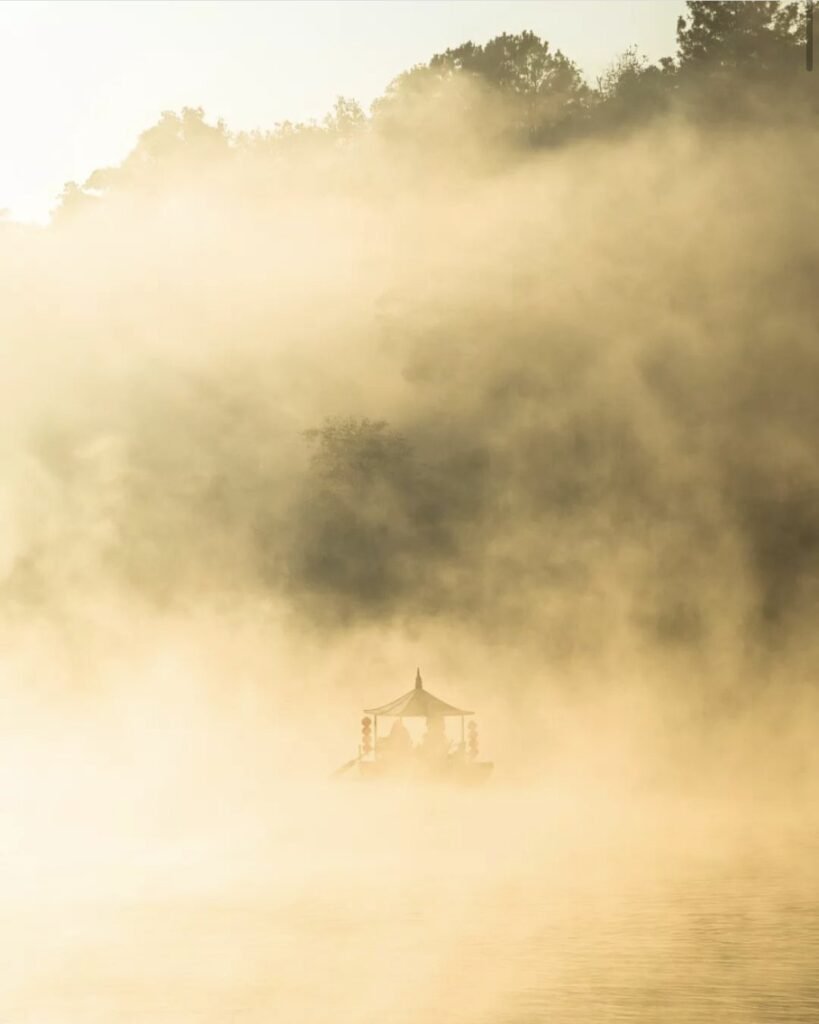
Ban Rak Thai, the “Thai-loving village” (also known as Mae Aw), sits beside a lake a few kilometres from the Myanmar border. Chinese Nationalist soldiers and their families settled here in the 1950s, and it still feels like a corner of Yunnan: clay houses, red lanterns, tea plantations climbing the hills and kitchens serving braised pork leg and handmade noodles.
Stay overnight if you possibly can. The village is at its best at dawn, with mist on the water and the tea houses still quiet. In the afternoon, taste oolong in the lakeside tea houses and take a boat out on the lake; boats can be arranged at the Lee Wine café for around ฿350 a boat.
- Attraction Type
- Village / Tea
- Location
- Open in Google Maps
- Cost
- Free to visit. Boat ride around ฿350 per boat
- Best Time To Visit
- Sunrise, November – February
- Opening Hours
- Open all day (shop hours vary)
- How To Get There
- About 44 km north of Mae Hong Son town. Yellow songthaews run from town, or ride yourself
- What to Pack
- Warm layers / Cash


23Lee Wine Ruk Thai Resort
The most photographed place to stay in Ban Rak Thai. Chinese-style bungalows are spread up working tea terraces above the lake, and a viewpoint at the top of the plantation looks over the whole village. The higher rooms have the best views, at the price of an uphill walk with your luggage.
Even if you’re not staying, the lakeside restaurant is worth a stop for Yunnanese dishes, the resort’s own fruit wines and tea tasting. Rooms book out early in the cool season, so reserve well ahead, usually through the resort’s Facebook page.
- Attraction Type
- Resort
- Location
- Open in Google Maps
- Cost
- Rooms from around ฿1,300 per night
- Best Time To Visit
- November – February
- Number
- 089 552 9650
- Website
- Facebook page
- What to Pack
- Warm layers for the cold mornings
The South: Khun Yuam, Mae La Noi and Sop Moei
South of Mae Hong Son town the loop road runs on through Khun Yuam and Mae La Noi towards Mae Sariang. Fewer travellers come this way. Come in November, when the hills turn yellow with bua tong flowers, or come to camp: the remote ridges near the Myanmar border hold some of the best sea-of-mist camping in the north. Expect basic facilities and some rough roads.


24Bua Tong Fields, Doi Mae U-Kho
Every November the slopes of Doi Mae U-Kho, above Khun Yuam, turn bright yellow with Mexican sunflowers, known in Thai as bua tong. A walkway runs through a tunnel of tall flowers to a 360-degree viewpoint, and early mornings often bring a sea of mist below the fields. There’s a summit campsite with toilets and showers.
The flower festival usually starts in November, on a date that changes each year (check before you go), and in late October the main bloom is still a couple of weeks away. Fill up with fuel in Khun Yuam, as there’s no petrol station on the mountain, and check your brakes before the steep road. Go on a weekday if you can, stay on the paths and leave the flowers alone. Entry has been free outside festival events.
- Attraction Type
- Flower Fields / Viewpoint
- Location
- Open in Google Maps
- Cost
- A small fee may apply during the festival
- Best Time To Visit
- Mid November – early December, early morning
- Opening Hours
- Festival usually November to December (dates vary each year)
- How To Get There
- A steep mountain road from Khun Yuam
- What to Pack
- Warm jacket



25Doi Khun Kham
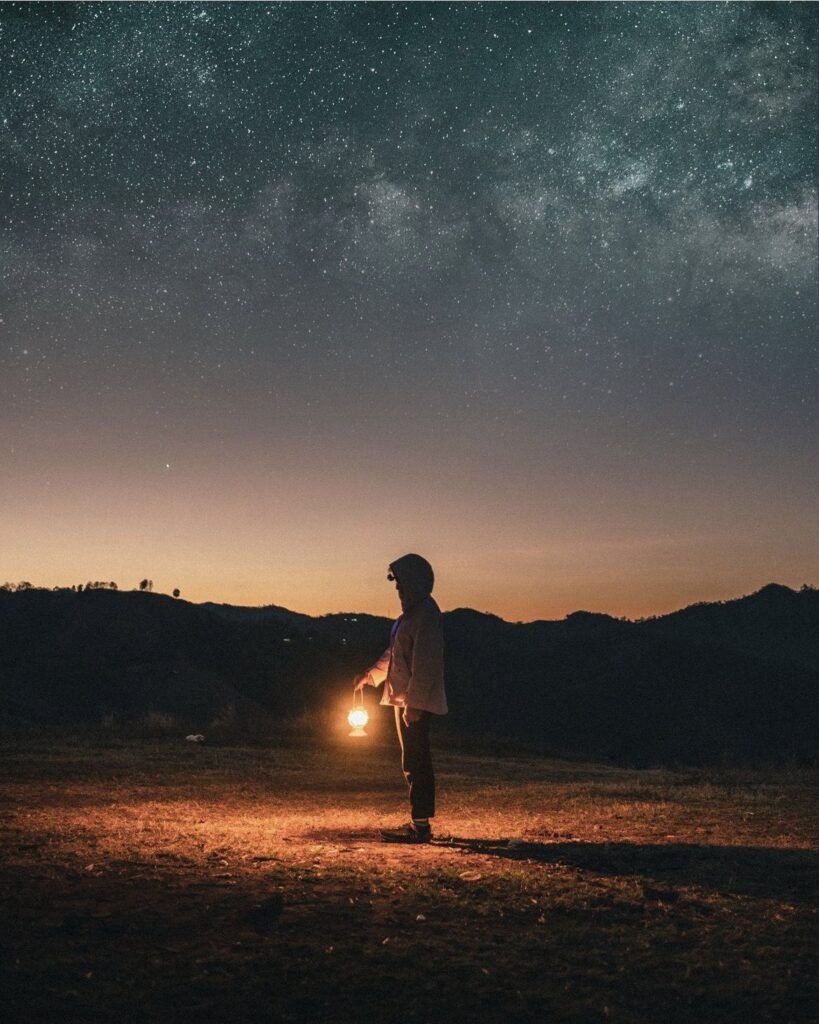
A remote viewpoint in Mae La Noi district, on the road towards Huai Hom, with tall cliffs and forested ridges above the valleys. On cool-season mornings the mist rolls through below, and the few people who make the trip usually camp to see it.
Small community campsites run in the cool season, and a small cafe and noodle shop sell coffee and food, but otherwise facilities are basic, so bring what you need. The paved access road is fine in an ordinary car; ask in Mae La Noi about current conditions anyway. The weather changes fast, so if the view is clouded over, waiting a while can pay off.
- Attraction Type
- Viewpoint / Camping
- Location
- Open in Google Maps
- Cost
- Free viewpoint; camping fees vary
- Best Time To Visit
- Sunrise, November – February
- How To Get There
- From Mae La Noi town towards Huai Hom
- What to Pack
- Tent / Warm layers / Food and water


26Doi Pui Kho
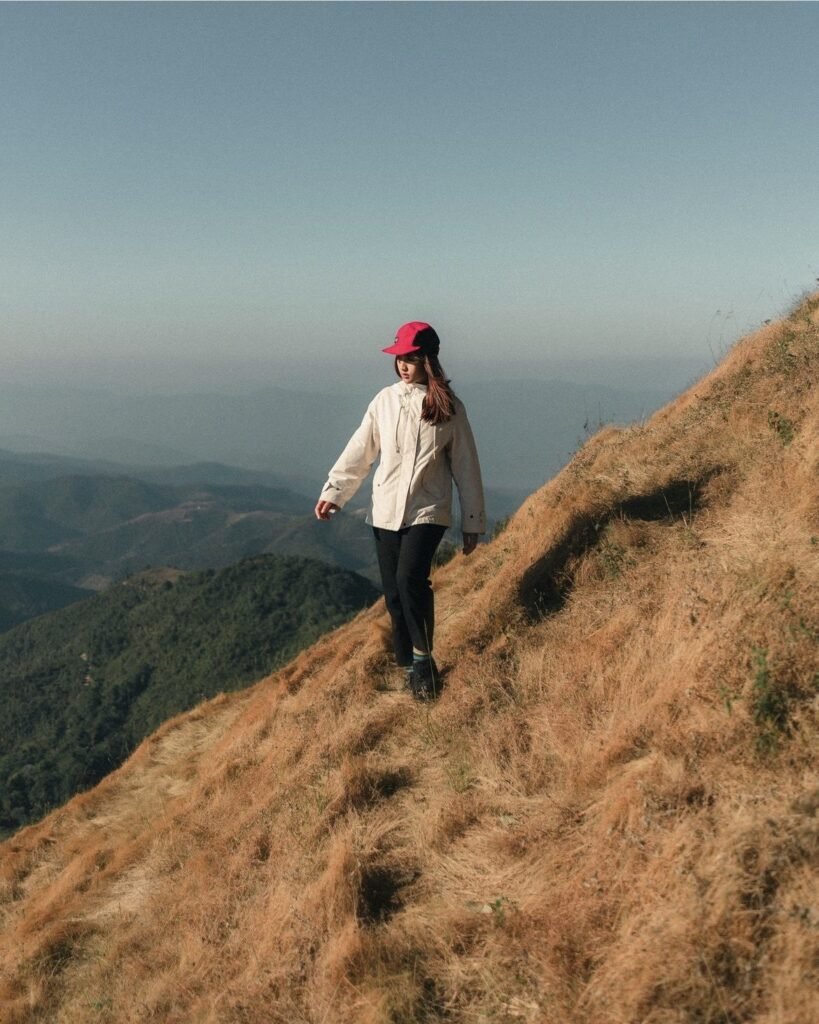
An adventure rather than a day trip. Doi Pui Kho and neighbouring Klo Se Lo, deep in Sop Moei district near the Myanmar border, are known for some of the widest seas of mist in the province. Getting there is the catch: the track is four-wheel drive only, around 1.5 hours from Sop Moei, and the last stretch from the car park is a steep walk of roughly 30 to 40 minutes, slippery after rain.
Villagers run a simple campsite in season and cook food to order. Bring your own tent, bedding, supplies and a torch for the dawn walk. Floods and landslides closed roads in Sop Moei district in 2026, including Highway 1194, so check the road before you go.
- Attraction Type
- Viewpoint / Camping
- Location
- Open in Google Maps
- Cost
- Small entry fee (about 20 THB per person reported) and a camping fee paid to villagers (check before you go)
- Best Time To Visit
- Late rainy season to cool season, sunrise
- How To Get There
- 4WD only, about 1.5 hours from Sop Moei
- What to Pack
- Tent / Bedding / Torch / Food
Created by
 Gavin Boyle@gavsgoneagain
 Arm Palakorn@armypalakorn
 Will Fearon@asiaandbeyond
 Flora & Note@floraandnote
 Rung Boriwat@sunny_rung
 Ittipoom Promma@koalamarty
- Sattayakoon Traikaew@lostinmyway_3
 Akarachai@akara_srt
 Kiattisak Masim@k.masimmmm
 Alvaro Garcia Gallego@alvarogarciagallego
 Tobi Schoepflin@tobischoepflin
 Kolin Friske@kolinfriske
- Explor.sure@ex.plorsure
