
This collection covers the waterfalls our creators have photographed across Thailand, from roadside falls on Doi Inthanon to treks deep into Umphang. The north has the widest range and the most remote falls, Kanchanaburi has seven-tier limestone falls with pools to swim in, Isaan's falls are wide and stepped over sandstone, and the south's are smaller forest falls close to the beaches.
Choosing by season and effort. Most of these falls need the rainy season, and some disappoint without it: Pam Bok and Bang Pae aren't worth their fees in the dry months, and Chet Si and Than Thip can shrink to a trickle. A smaller group works the other way or never stops: Poi is only clear for swimming in the dry season, Erawan and Huai Mae Khamin are at their best from late in the year into April, and Sapan, Tat Pla Kang and Mae Tia flow all year. For effort, Wachirathan, Pha Suea, Jok Kradin, Than Thip, Khlong Lan and Sai Yok Yai are a few minutes from the car; Khun Korn, Chat Trakan, Erawan, Tad Dao and the tiers of Mae Tia take a proper walk; and Thi Lo Su, the Heart-Shaped Waterfall, Krok E Dok, Huai Nam Yen, Pha Dok Siew, Khanaeng and Pa Mak need a 4WD, a guide or a registered trekking round. If cost matters, Bua Tong, Khun Korn, Poi, Than Thip, Sap Wae, Hin Lat and Kathu are free.
The rainy season, from June to October, brings the most water, though some trails close or turn muddy and parks can stop swimming after heavy rain. October to December is a good compromise: Thi Lo Su is timed for then, and Than Thip, Kinnaree and Saeng Chan still have water. By March and April many smaller falls are a trickle, so check before you go. A few exceptions to plan around: Phrom Lok closes every year from October to mid-December, Krok E Dok mainly opens in the rainy season, the trail to Huai Nam Yen is reported to close from the end of October until the next rains, and Pha Dok Siew's trail closes whenever flash floods threaten. Most falls sit in national parks that charge an entry fee per person, with foreigners usually paying more. A polarising filter cuts the glare on wet rock, and a small tripod lets you slow the water down in the shade.
How we chose these spots. We only include waterfalls our creators have photographed, so this isn't every waterfall in Thailand. Each entry links to the full spot in its province guide, where you'll find fees, hours and directions. Seasonal closures, such as Phrom Lok's, are noted in the entry.
Good to know
- Tourist Police: 1155
- Emergency (ambulance): 1669
Northern Thailand
The north has the widest spread, from roadside falls on Doi Inthanon to Thi Lo Su and the Heart-Shaped Waterfall, which take a 4WD ride or a guided trek deep into Tak. Most need the rainy season, but Poi near Phitsanulok is a dry-season swim, and Sapan, Tat Pla Kang and Mae Tia flow all year. Several of the remoter falls, such as Huai Nam Yen, Khanaeng and Pa Mak, need a 4×4 or a guide and some rough walking.


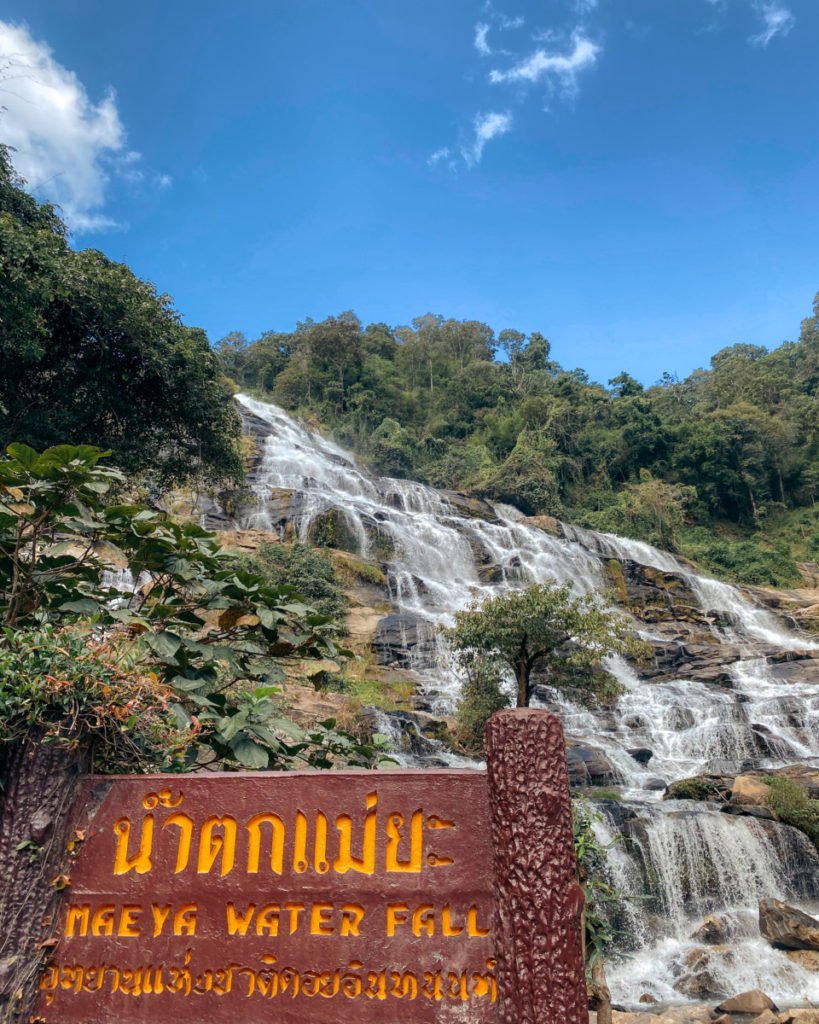
01Mae Ya Waterfall
Of the Doi Inthanon falls, this is the one with the most presence: a wide curtain across a broad rock face, and still an easy walk from the car. Ignore the often-quoted height, which is disputed and looks generous in person. Food stalls by the car park make it the natural lunch stop on the mountain, though the pool may not be safe for swimming in the rains.
More in our Chiang Mai guide.
- Attraction Type
- Waterfall
- Location
- Open in Google Maps
- Cost
- 300 THB for foreign adults (Doi Inthanon National Park)
- Best Time To Visit
- Any time; strongest flow in the rainy season, roughly May to November
- Opening Hours
- Daily, 08:00 to 18:00
- Number
- +66 53 24 8604
- How To Get There
- Drive / Taxi
- Area
- Doi Inthanon National Park
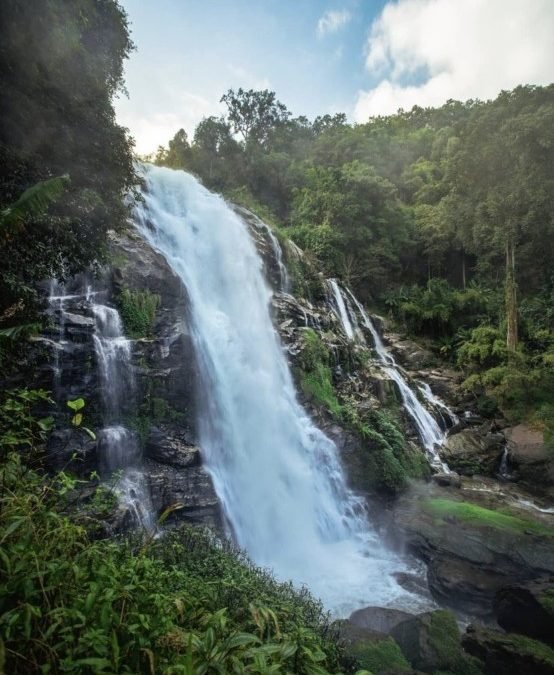
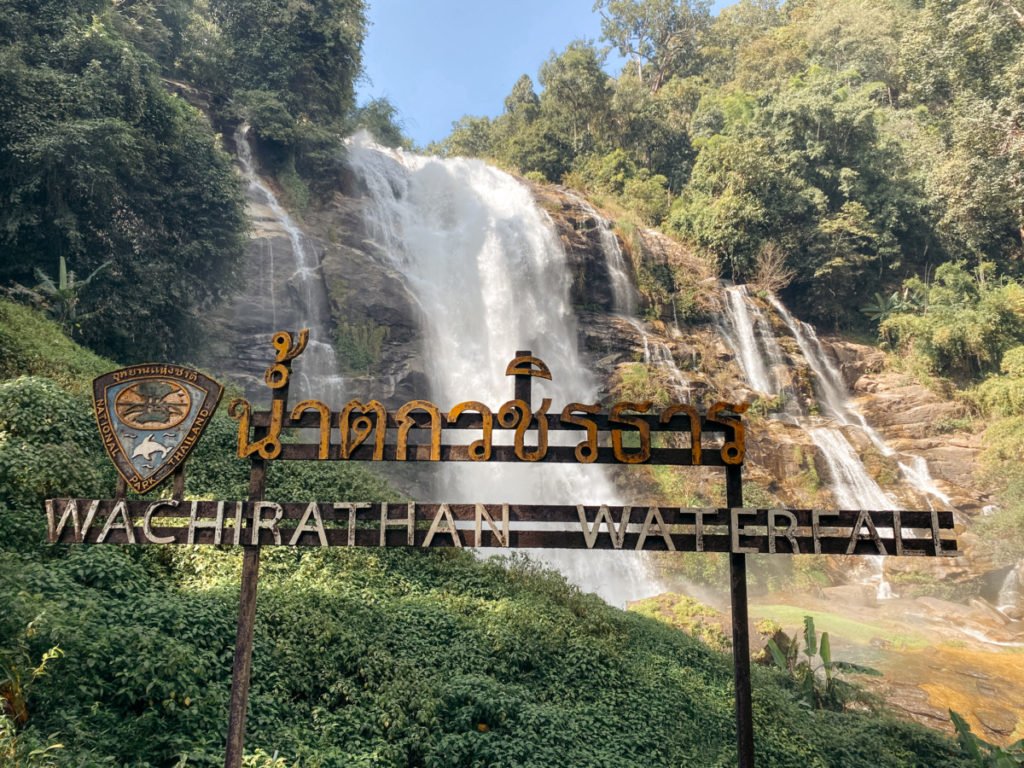
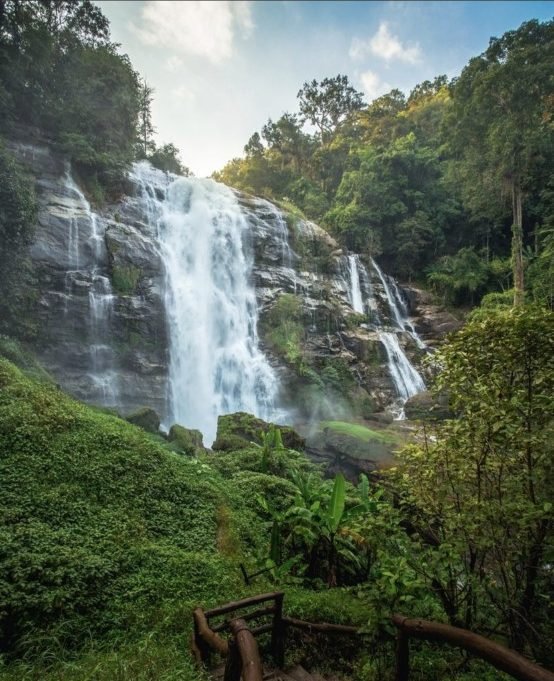
02Wachirathan Waterfall
The least effort of the big falls on Doi Inthanon. Wachirathan is powerful and right beside the car park, so it suits a quick stop on the drive up. The trade-off is spray: you and your camera will get damp, and the ground around it stays wet.
More in our Chiang Mai guide.
- Attraction Type
- Waterfall
- Location
- Open in Google Maps
- Cost
- 300 THB for foreign adults (Doi Inthanon National Park)
- Best Time To Visit
- Any time; strongest flow in the rainy season, roughly May to November
- Opening Hours
- 6am – 5pm
- Number
- +66 53 286 729
- How To Get There
- Drive / Taxi
- Area
- Doi Inthanon National Park

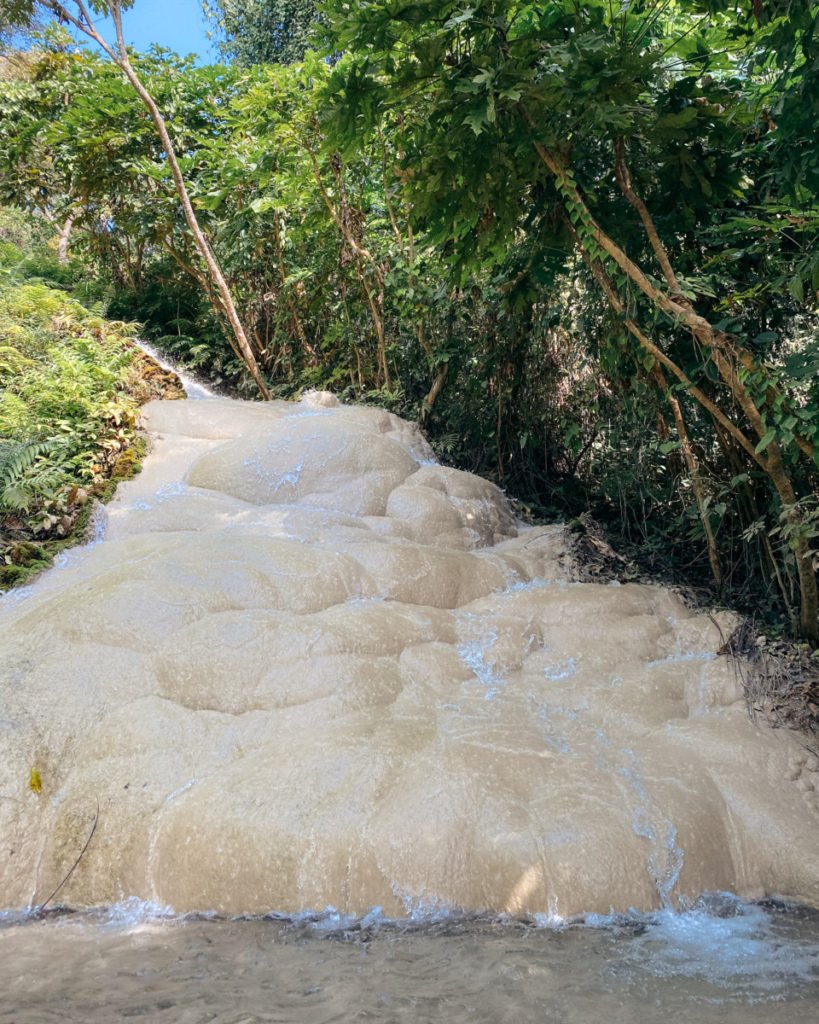

03Bua Tong Sticky Waterfalls
Here you climb the waterfall rather than look at it. The mineral-coated limestone grips bare feet, so you can walk straight up the cascades with ropes to help, and it works at any age. Entry is free, and there are changing rooms, so bring swimwear.
More in our Chiang Mai guide.
- Attraction Type
- Waterfall
- Location
- Open in Google Maps
- Cost
- Free
- Best Time To Visit
- Morning / Afternoon
- Opening Hours
- 8am – 5pm
- Number
- +66 93 139 3556
- How To Get There
- Drive / Tour / Taxi
- What To Pack
- Swimwear
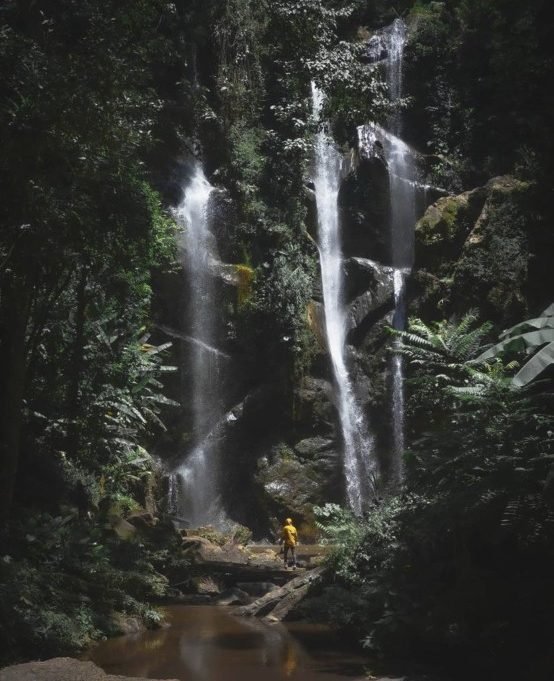

04Mok Fa Waterfall
Choose Mok Fa if you’re driving to Pai and want a break rather than a destination. It’s a forest fall a short walk from the parking area, with swimming depending on the rainfall. Come in the morning, before the tour groups arrive.
More in our Chiang Mai guide.
- Attraction Type
- Waterfall
- Location
- Open in Google Maps
- Cost
- 100 THB for foreign adults
- Best Time To Visit
- Morning
- Opening Hours
- Daily, 08:30 to 16:30
- Number
- +66 63 632 0881
- How To Get There
- Drive / Taxi

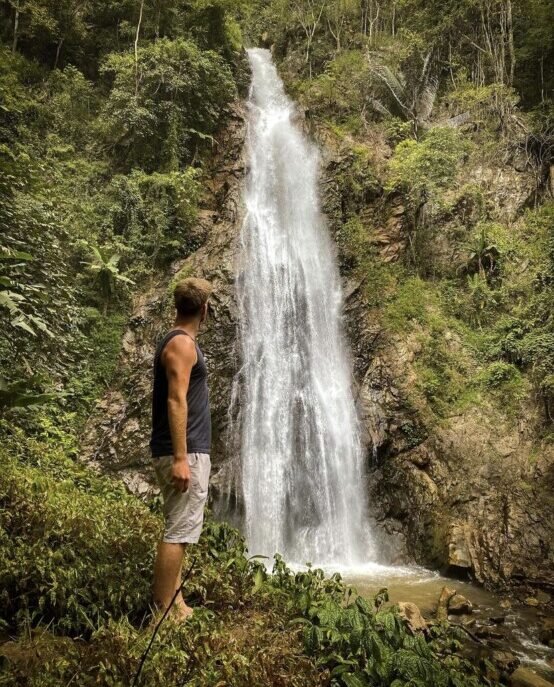
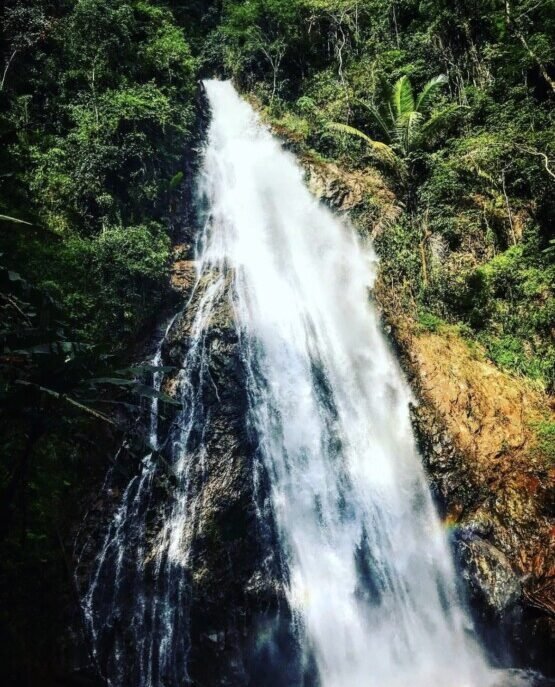
05Khun Korn Waterfall
Free entry is the draw, since most park waterfalls in Thailand charge. You earn it on a shaded 1.4 km trail with steep, muddy and slippery stretches, so this one suits people happy to walk in proper shoes. At the bottom, the spray from a big, powerful fall cools you down.
More in our Chiang Rai guide.
- Attraction Type
- Waterfall
- Location
- Open in Google Maps
- Cost
- Free
- Best Time To Visit
- Morning
- Opening Hours
- 8am – 4:30pm
- Number
- +66 5371 1402
- What to Pack
- Mosquito repellent


06Pam Bok Waterfall
Only worth it in the rainy season, and only if you want a swim. From November to May the canyon is close to dry, and the foreigner fee is steep for a small waterfall. If you do pay, keep the ticket and ask which other sites it covers.
More in our Mae Hong Son guide.
- Attraction Type
- Waterfall
- Location
- Open in Google Maps
- Cost
- 200 THB for foreign adults
- Best Time To Visit
- Morning
- Opening Hours
- Daily, 08:30 to 18:00
- What to Pack
- Swimwear
- Good to Know
- Foreign visitors pay 200 THB, which many feel is steep for a small waterfall, so keep the ticket for the other sites it covers.



07Sapan Waterfall
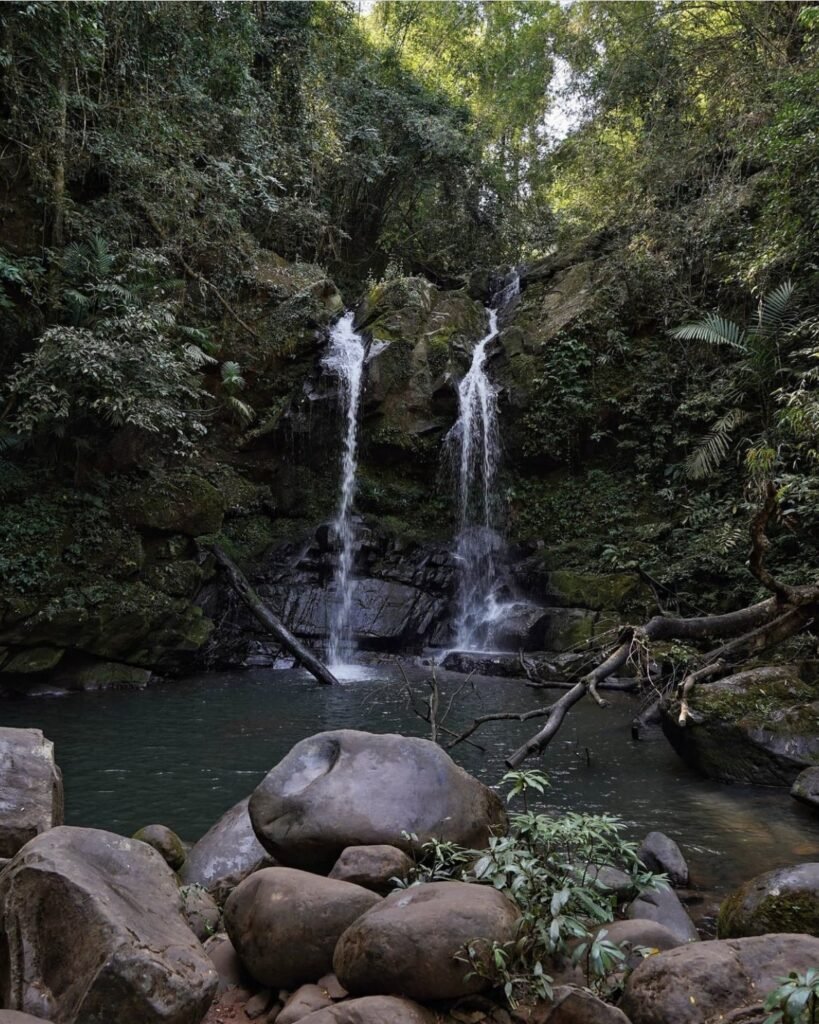
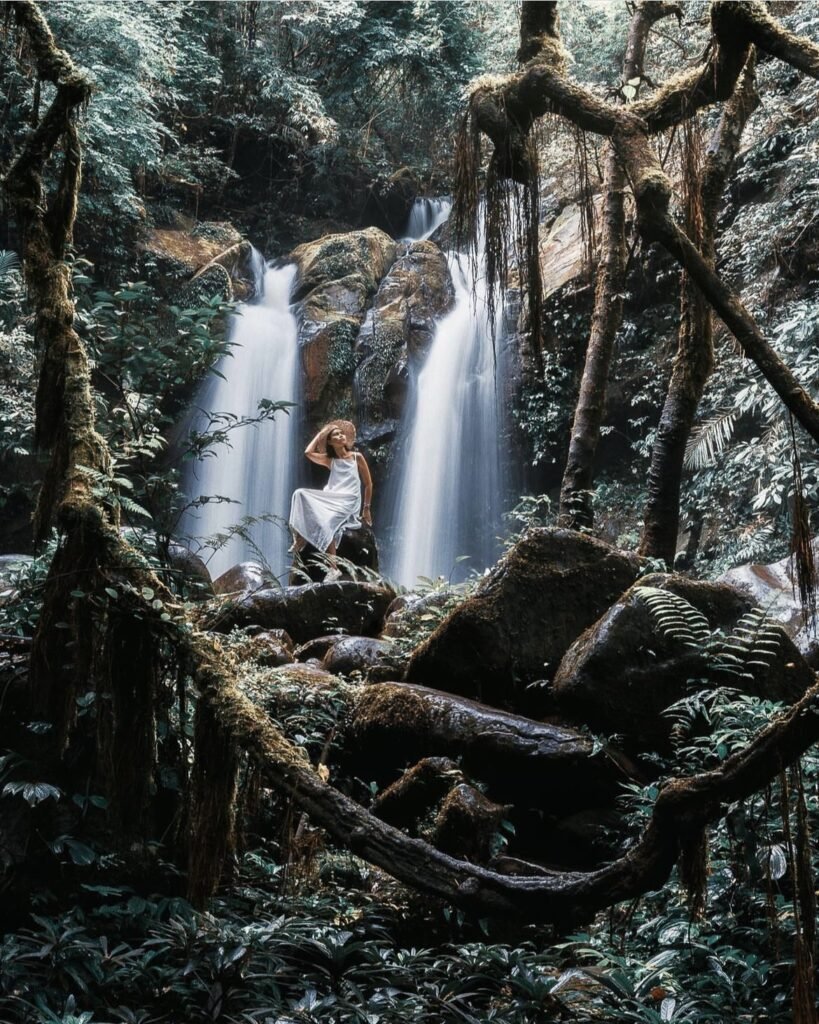
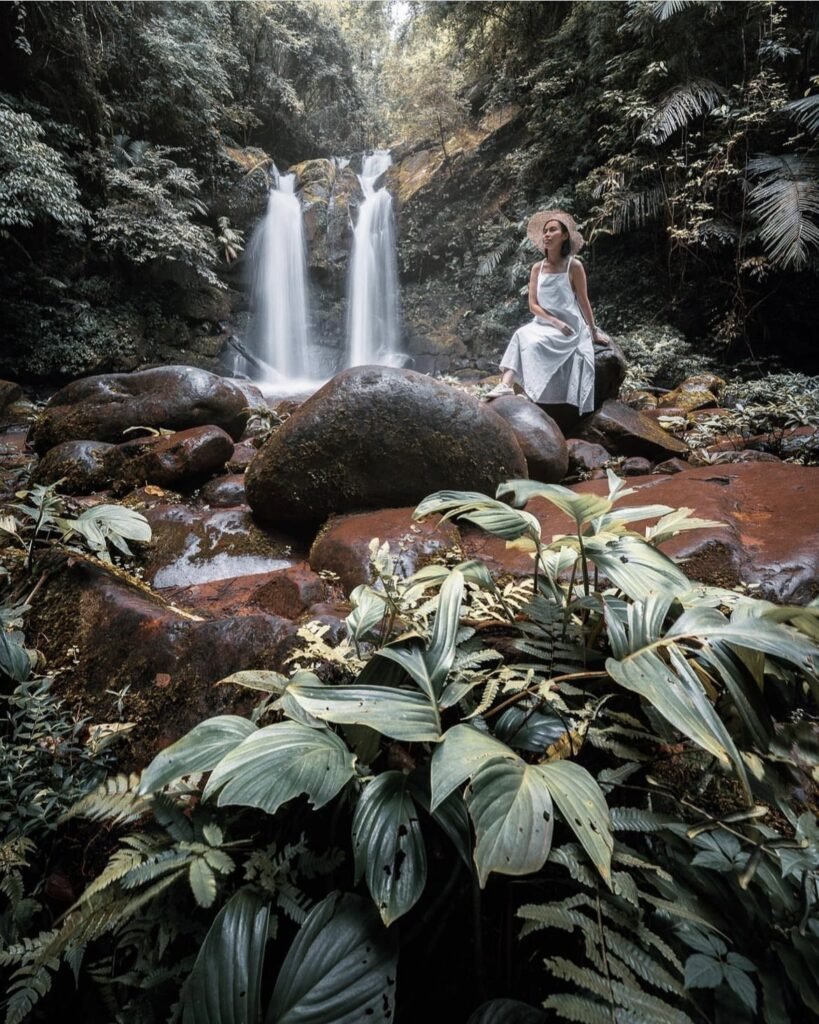
Sapan is a safe pick outside the wet months because it flows all year, though it’s fullest in the rains. The first tier is by the road; the third, about 700 metres up a stepped trail with handrails most of the way, is the one to walk for.
More in our Nan guide.
- Attraction Type
- Waterfall
- Location
- Open in Google Maps
- Cost
- National park fee (฿20 Thai / ฿100 foreign adults)
- Best Time To Visit
- July – November
- Opening Hours
- 6am – 6pm
- What to Pack
- Shoes with grip


08Chat Trakan Waterfall
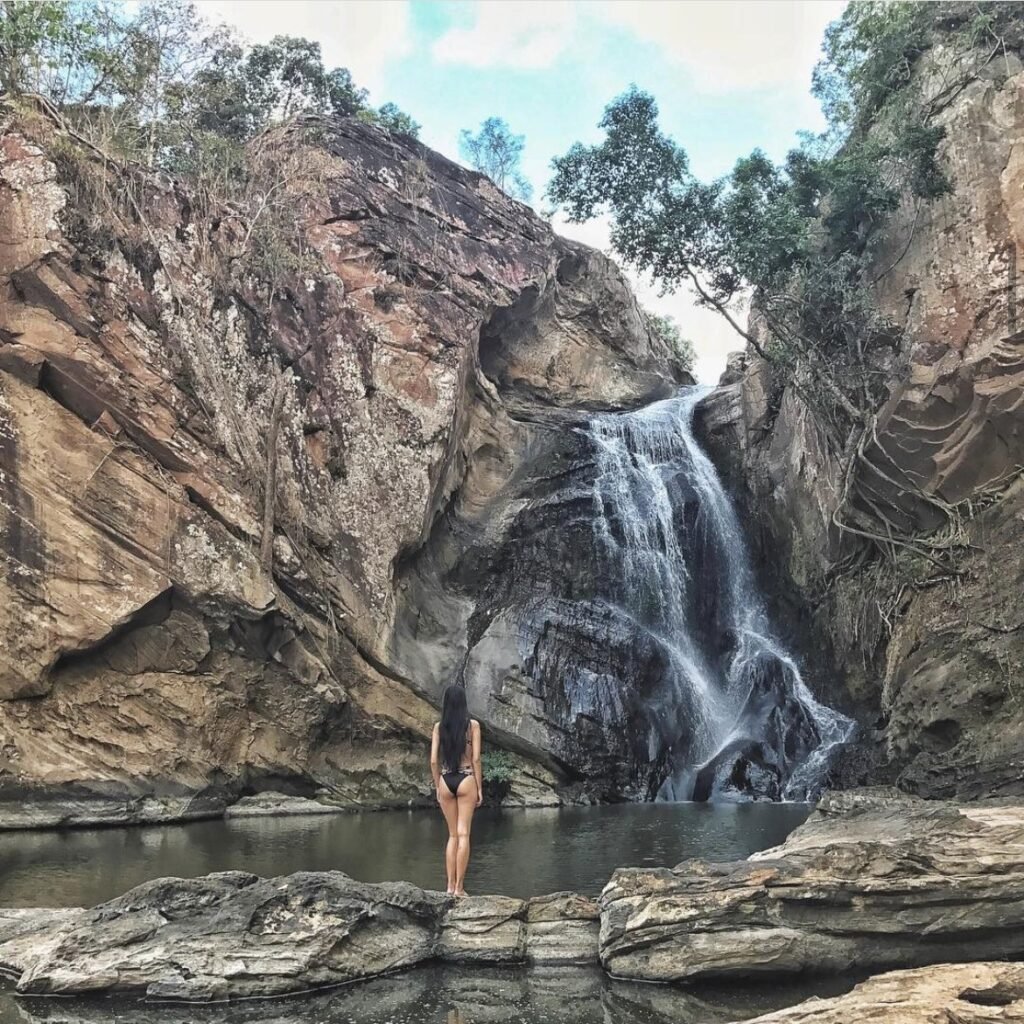
A bigger outing than most northern falls: seven sandstone tiers dropping about 200 metres, climbed on a trail of about 1.5 km that gets steep towards the top. Pools along the way give you somewhere to cool off. Go between June and October, when the flow is strongest.
More in our Phitsanulok guide.
- Attraction Type
- Waterfall and national park
- Location
- Open in Google Maps
- Cost
- 200 THB for foreign adults, 40 THB for Thai adults
- Best Time To Visit
- June to October for the strongest flow
- Opening Hours
- 7am – 5pm
- Number
- 055 906 522
- How To Get There
- About 2 hours' drive from Phitsanulok
- What to Pack
- Closed shoes with grip, water

09Thi Lo Su Waterfall
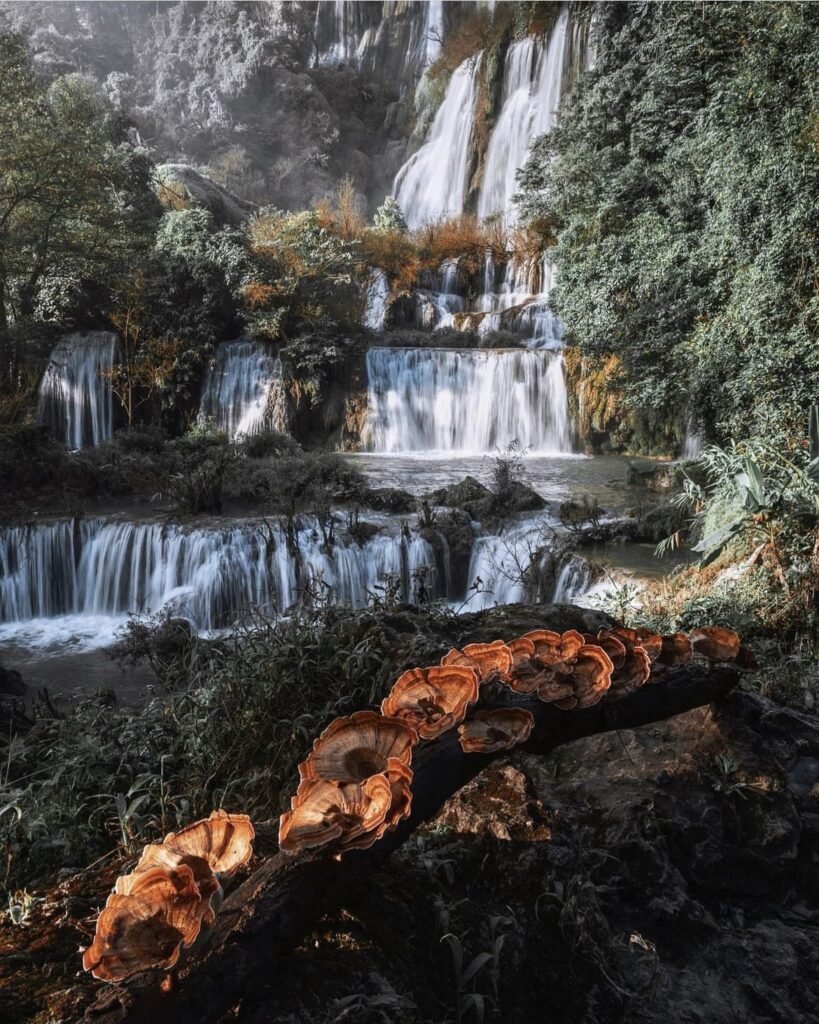
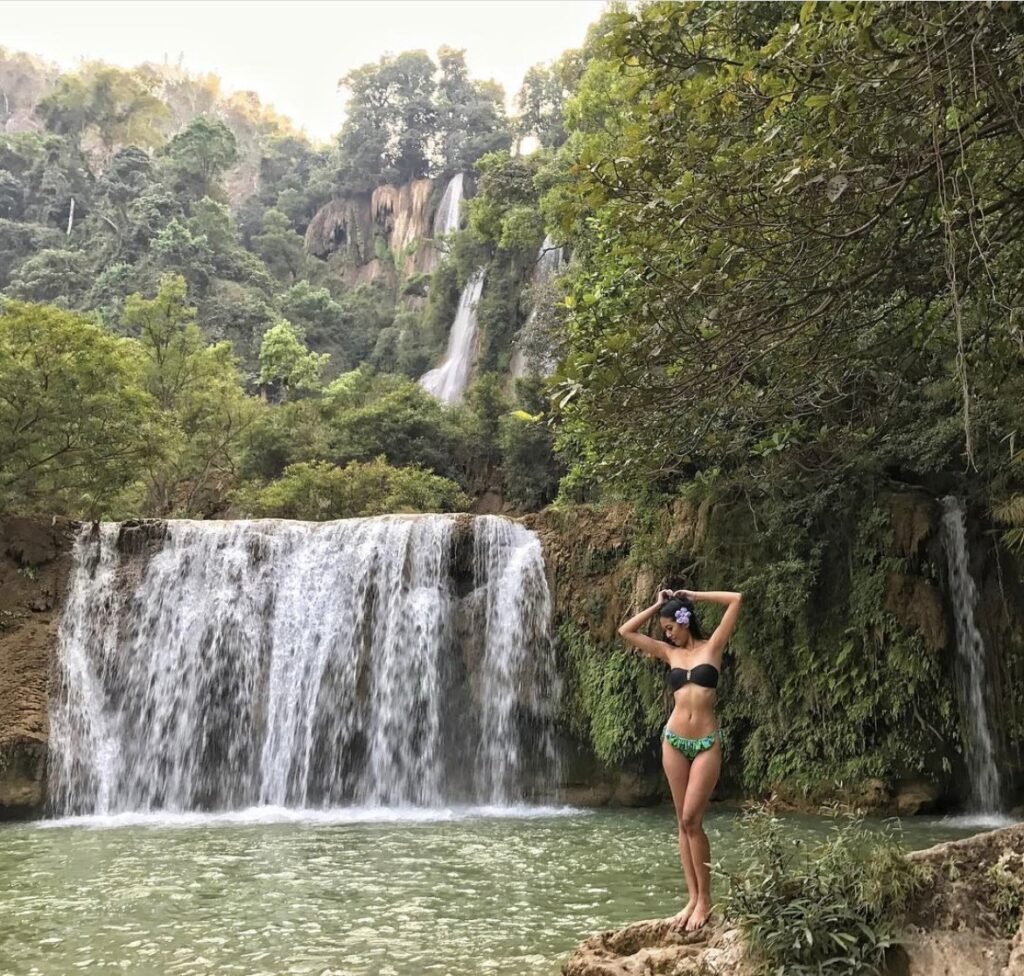
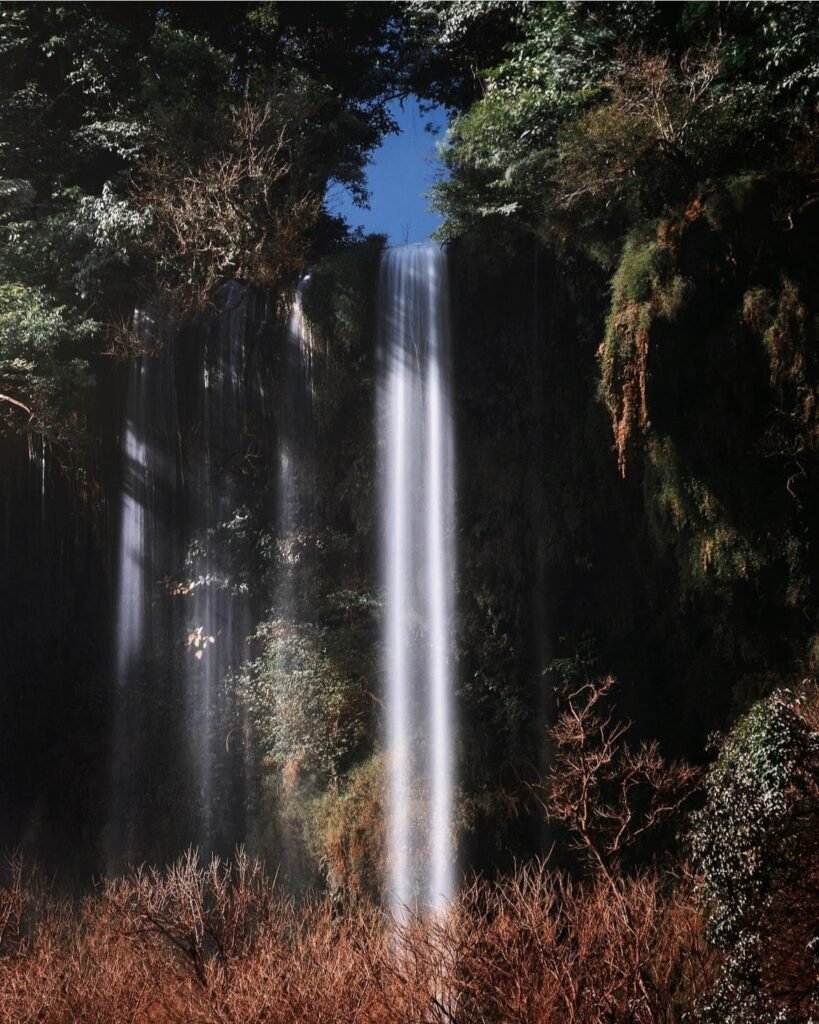
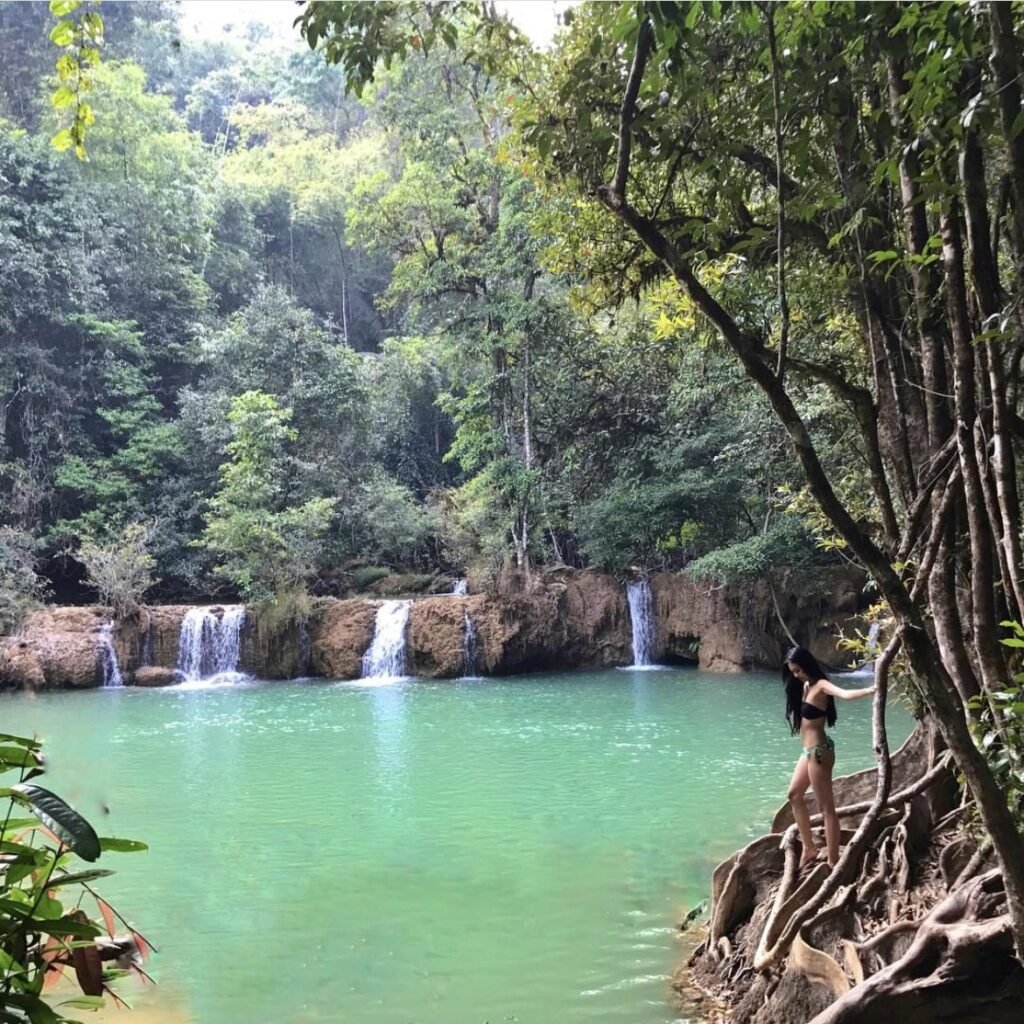
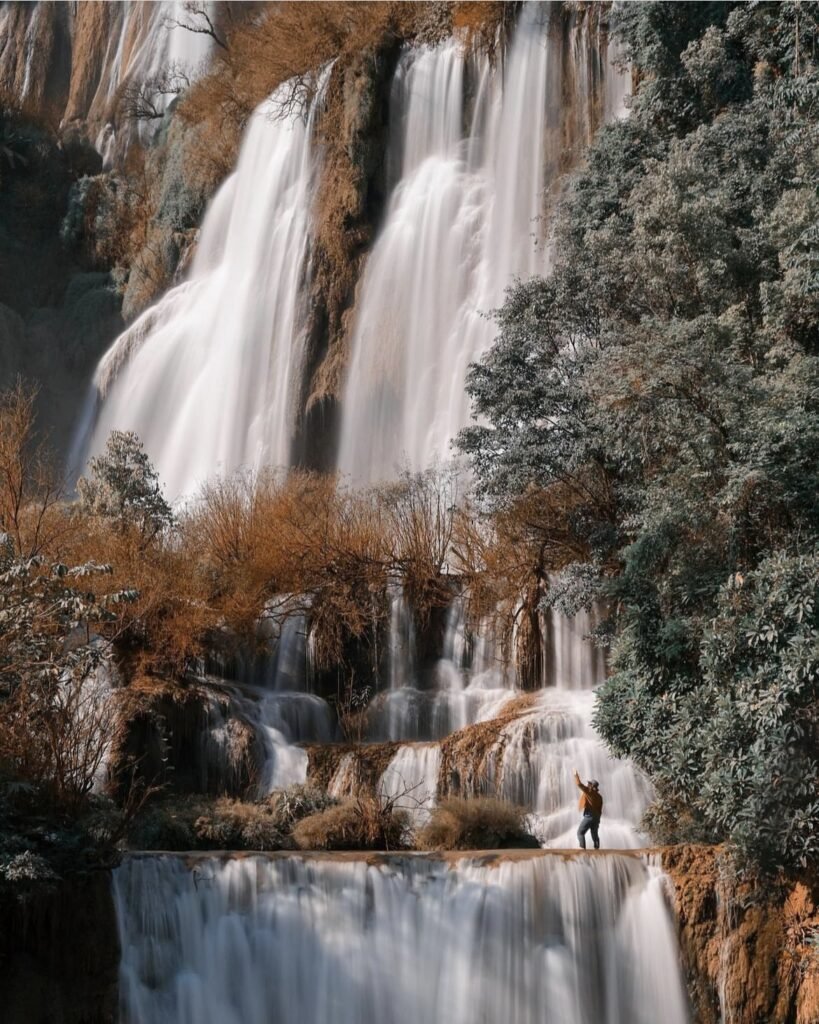
Often called Thailand’s largest waterfall, Thi Lo Su is a serious commitment: hours each way by registered 4WD, or by raft and jungle trek in the wet season. Most reviewers say it’s only worth it when the river runs high, so aim for October to December. It reopened in September after its rainy-season closure, and day visitors must reach the ticket office before 2pm.
More in our Tak guide.
- Attraction Type
- Waterfall and wildlife sanctuary
- Location
- Open in Google Maps
- Cost
- 400 THB for foreigners, 30 THB for Thais, plus 60 THB per vehicle
- Best Time To Visit
- October to December, for full flow and drier roads
- Opening Hours
- Daily, 08:00 to 14:00 for entry at the sanctuary ticket office
- Number
- 065 002 7637
- How To Get There
- Umphang town, then about 50 km by registered 4WD, or a raft and trek tour
- What to Pack
- Rain gear, trekking shoes, no single-use plastic
- Good to Know
- Foreigners pay 400 THB, and the rough access takes hours each way, so most reviewers say it is only worth it when the river is running high.

10The Heart-Shaped Waterfall
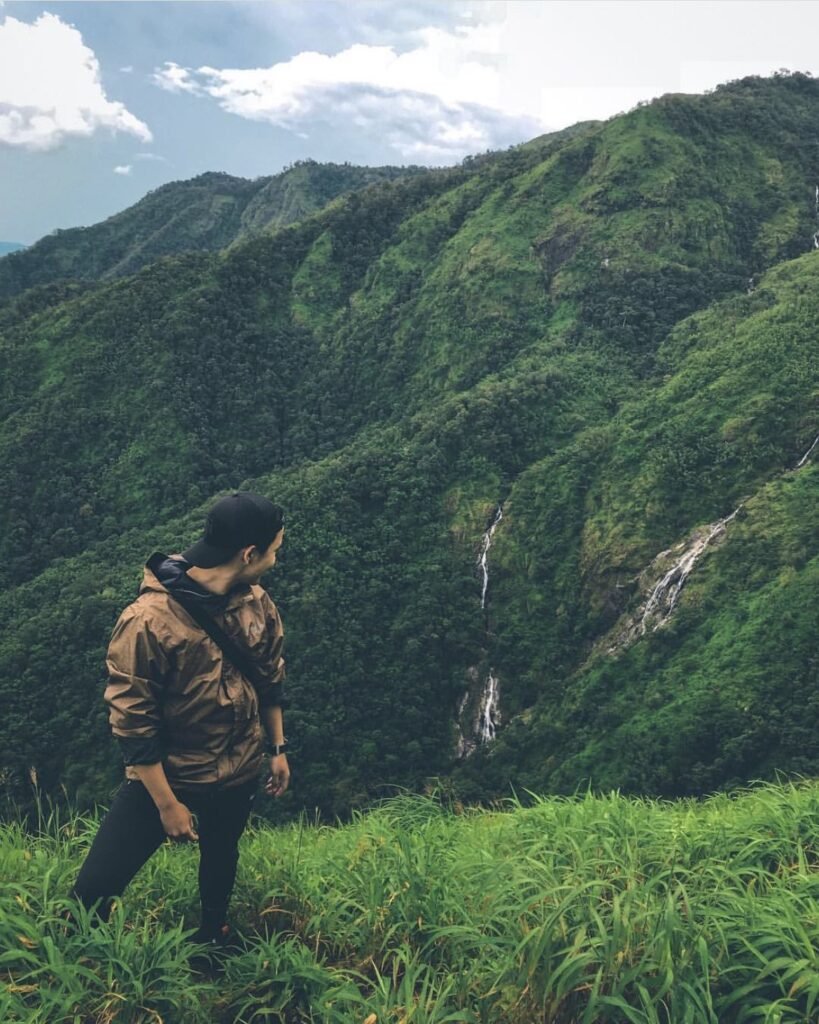
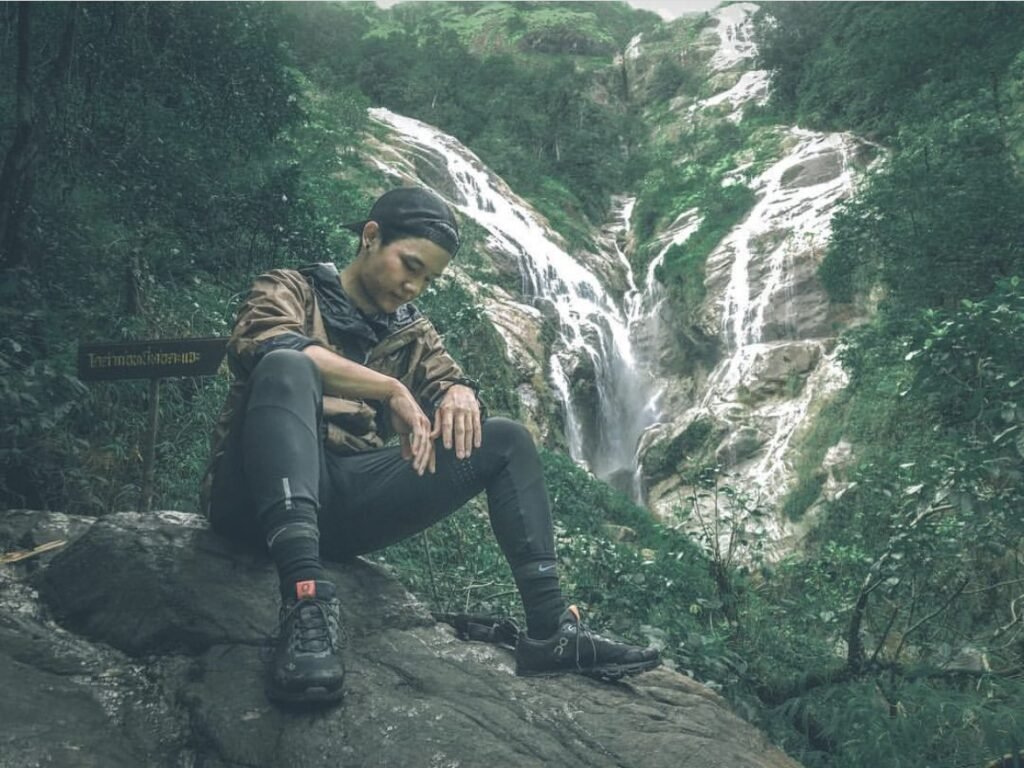
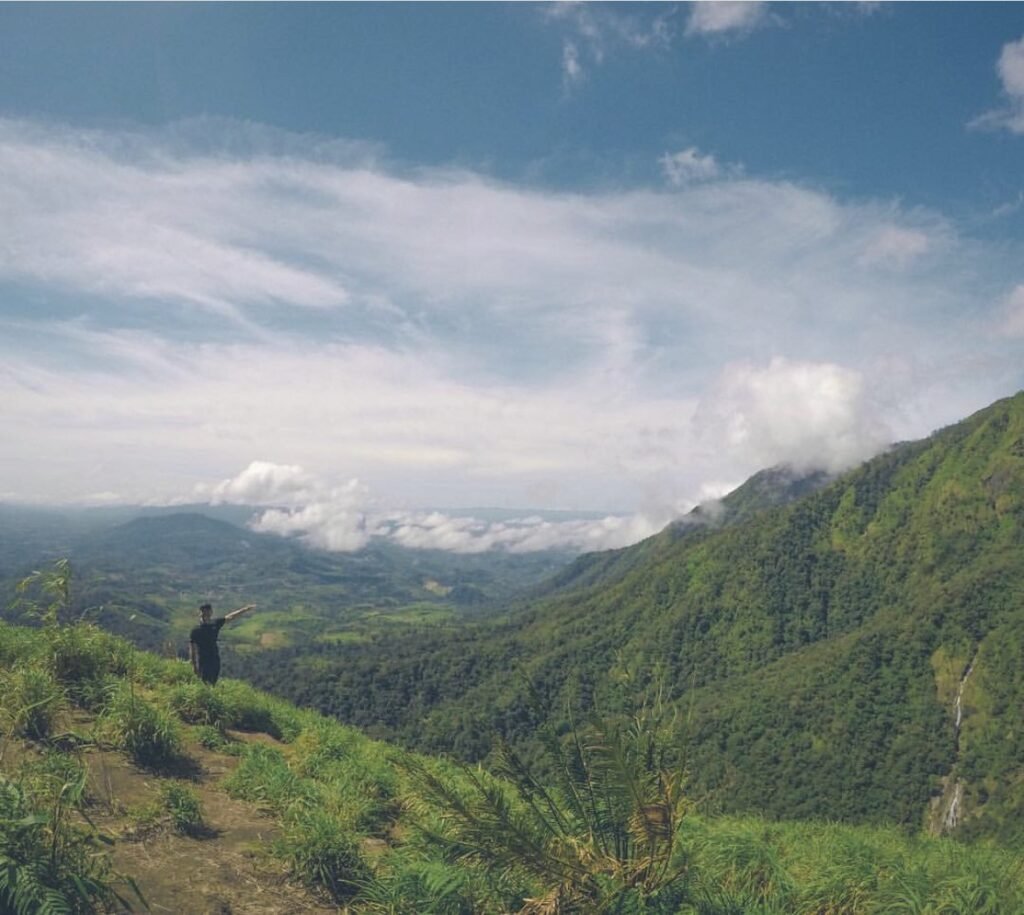
Pe Do Lo Su is a trekker’s waterfall, not a detour. You reach it on the guided trek to Doi Ma Muang Sam Muen, walking from the village to a base camp and on to the falls. The heart shape only shows when the water is high, from July to October, which is also when the trail is most slippery.
More in our Tak guide.
- Attraction Type
- Waterfall
- Location
- Open in Google Maps
- Cost
- Included with a guided trek
- Best Time To Visit
- July to October
- How To Get There
- On the guided trek to Doi Ma Muang Sam Muen
- What to Pack
- Rain gear and grippy shoes
11Sirithan Waterfall
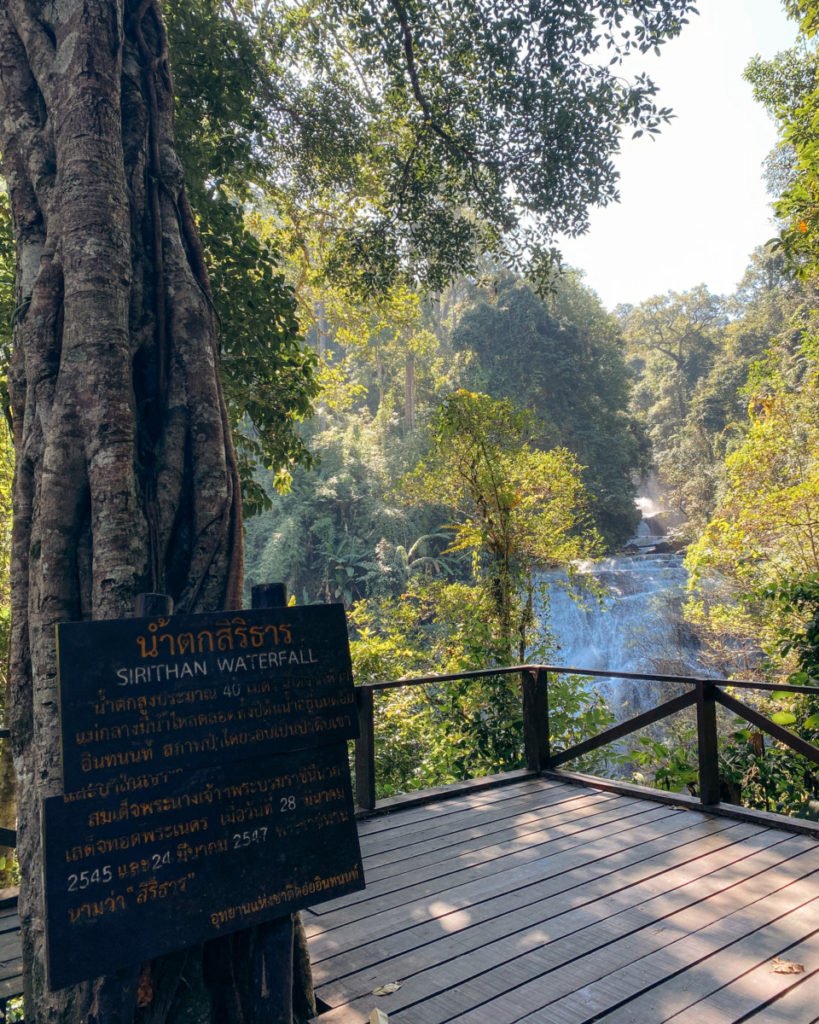
For fewer people than at the other Doi Inthanon falls, stop at Sirithan. Steps lead down from the roadside car park to a viewing deck, but the trail on to the base is often closed outside the dry season. It isn’t a swimming spot.
More in our Chiang Mai guide.
- Attraction Type
- Waterfall
- Location
- Open in Google Maps
- Cost
- 300 THB for foreign adults (Doi Inthanon National Park)
- Best Time To Visit
- Any time; strongest flow in the rainy season, roughly May to November
- Opening Hours
- 5:30am – 6:30pm
- Number
- +66 53 286 729
- How To Get There
- Drive / Taxi
- Area
- Doi Inthanon National Park
12Pha Suea Waterfall
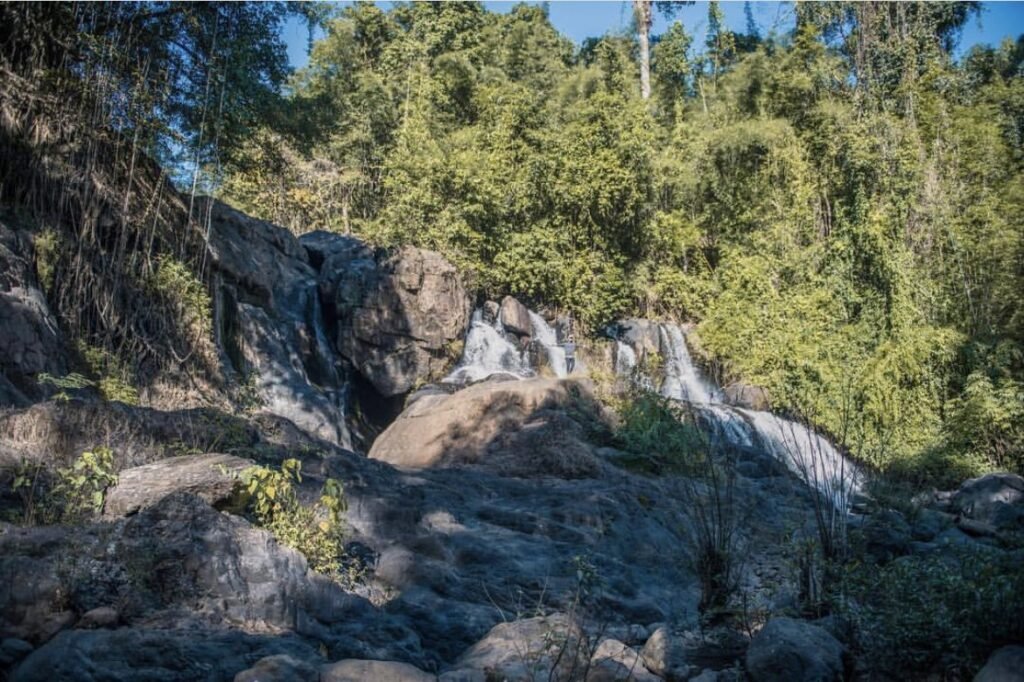
Width rather than height: Pha Suea is only about 10 metres tall but spreads across a broad shelf of rock, and mahseer fish fill the pool below. It sits beside the car park on the road to Pang Ung and Ban Rak Thai, and stays good from the rainy season to around mid-January.
More in our Mae Hong Son guide.
- Attraction Type
- Waterfall
- Location
- Open in Google Maps
- Cost
- 100 THB for foreign adults, 50 THB for children (national park ticket, also valid at Pang Ung and Tham Pla)
- Best Time To Visit
- June – mid January
- Opening Hours
- Daily, 08:00 to 16:30
- How To Get There
- About 26 km north of Mae Hong Son town, on the way to Pang Ung
- What to Pack
- Swimwear / Shoes with grip
13Huai Rong Waterfall
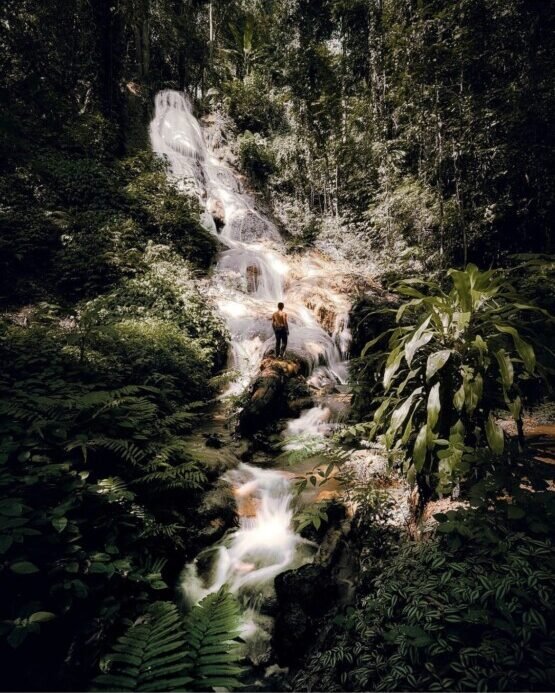
A photographer’s waterfall more than a swimmer’s. The two-tier drop in Huai Rong Arboretum is small, but the canopy gives even light for long exposures and close-ups of moss and stone. Come between August and November, and don’t judge it by the front fall: the livelier cascades are further up the trail.
More in our Phrae guide.
- Attraction Type
- Waterfall and arboretum
- Location
- Open in Google Maps
- Cost
- Free
- Opening Hours
- 08:00-18:00
- Best Time To Visit
- August-November, mid-morning
- How To Get There
- About 30 minutes from Rong Kwang town; turn at the Huai Rong Waterfall sign and drive about 4 km along a narrow lane. Roughly an hour from Phrae town by car.
- What to Pack
- Tripod, ND filter, sandals with grip

14Rom Klao and Paradorn Waterfalls
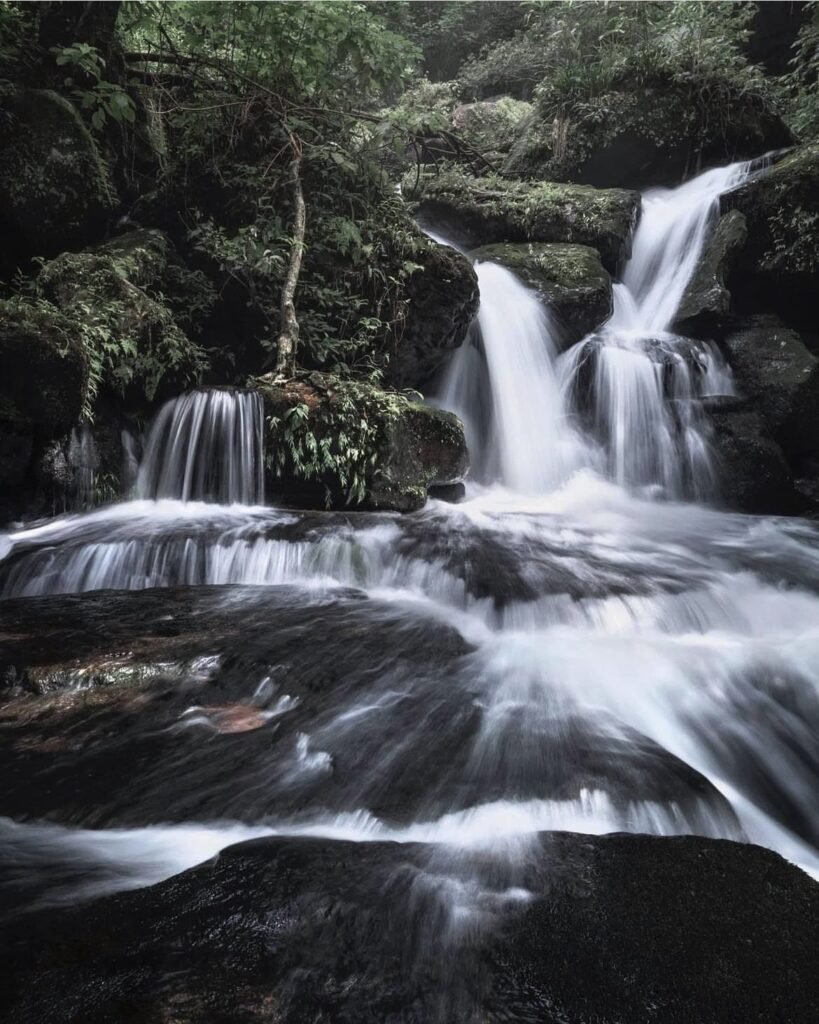
Two forest falls for the price of the park fee, near the old political and military school in Phu Hin Rong Kla. Rom Klao rushes over dark rocks, with Paradorn a short walk further on. The path is short but steeply downhill, so the climb back is the real effort. Both are at their best from July to November.
More in our Phitsanulok guide.
- Attraction Type
- Waterfall
- Location
- Open in Google Maps
- Cost
- Included in the park fee
- Best Time To Visit
- July to November, for the strongest flow
- How To Get There
- Trailhead near the School of Politics and Military Training
- What to Pack
- Shoes with grip for wet rocks


15Poi Waterfall
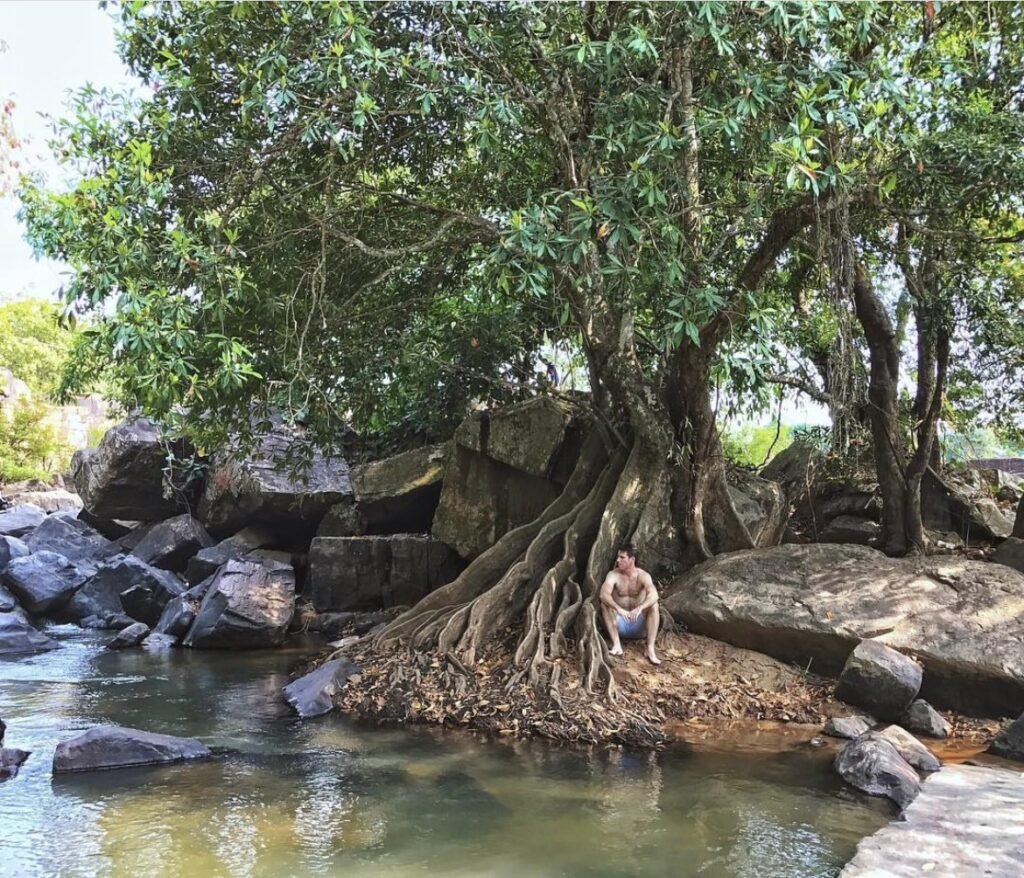
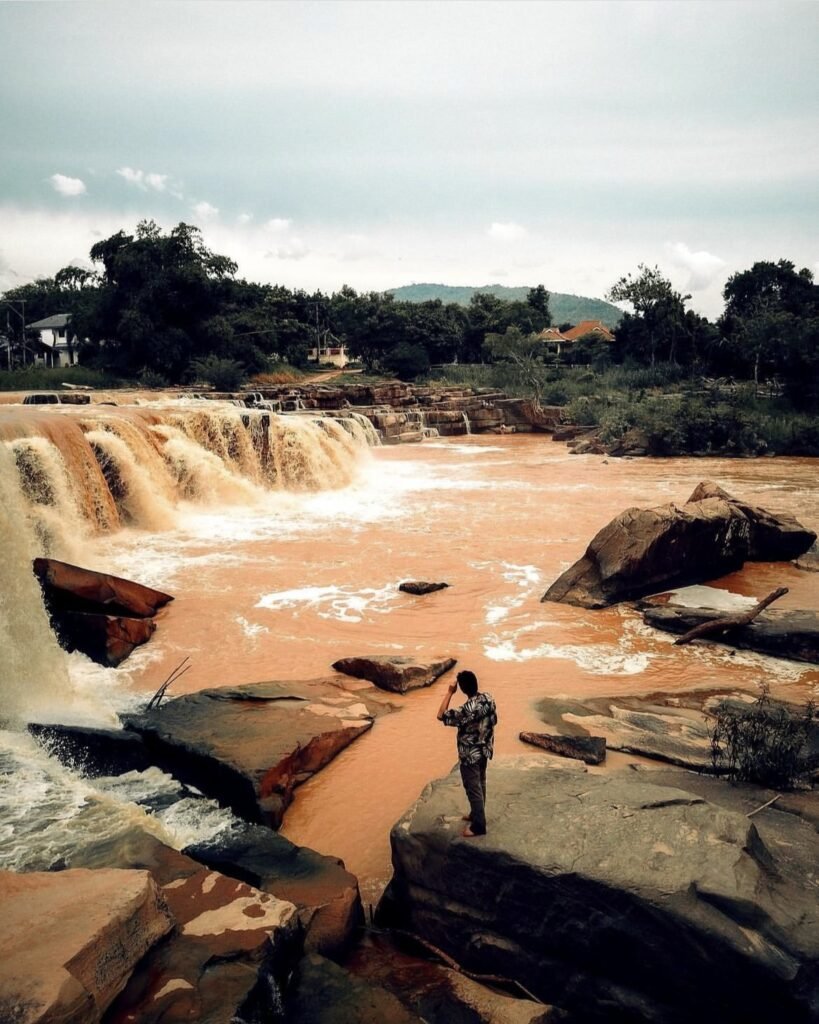
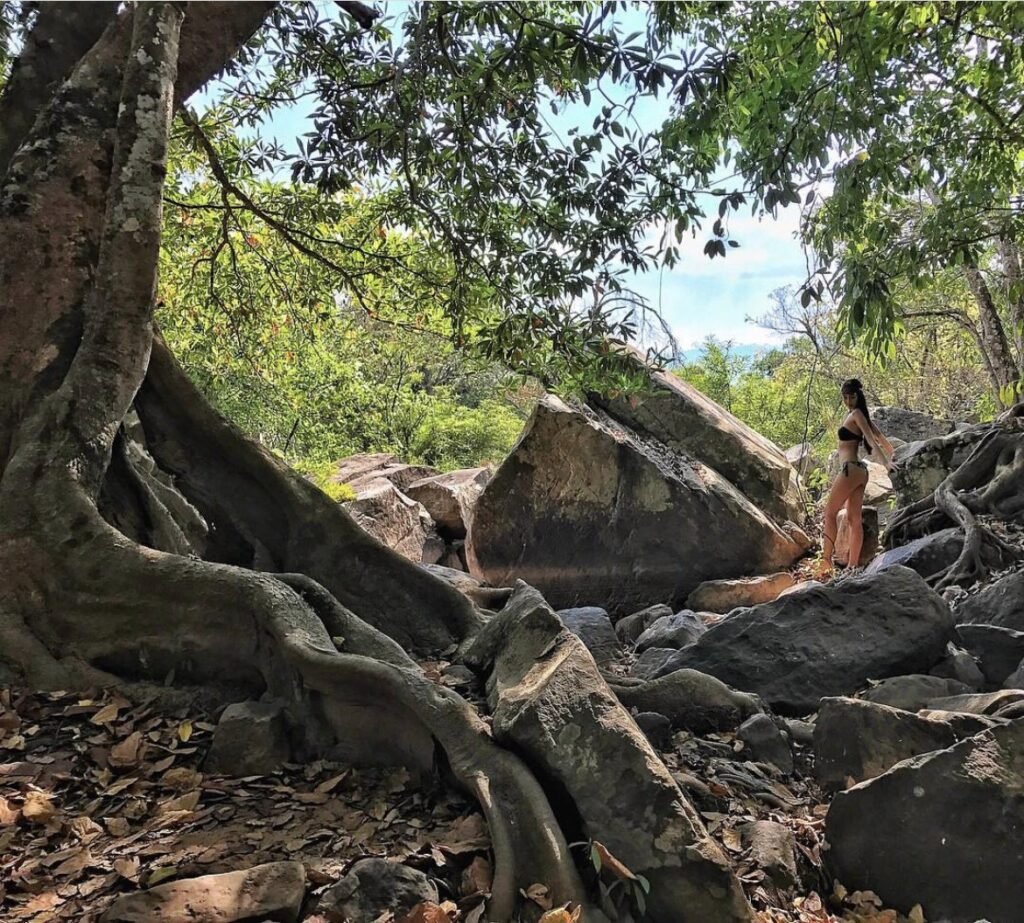
Poi turns the usual timing upside down. Come in the dry season, when the Khek River spreads clear over red rock shelves and you can swim in the shade of huge old trees; in the rains it runs brown and strong, so stay out. Entry is free, with camping on site.
More in our Phitsanulok guide.
- Attraction Type
- Waterfall
- Location
- Open in Google Maps
- Cost
- Free
- Best Time To Visit
- December to April
- Opening Hours
- 8:30am – 6pm
- Number
- 081 604 4207
- How To Get There
- Highway 12 at km 59 – 60, then about 2 km in
- What to Pack
- Swimwear and sandals


16Tat Pla Kang
Tat Pla Kang suits travellers after a community-run trip rather than a park stop. The multi-tiered fall sits in a narrow green gorge in the Phu Miang-Phu Thong Wildlife Sanctuary, reached by pickup from the Hmong village of Ban Nam Chuang and a 15-minute walk. Unlike many falls in the area, it flows all year.
More in our Phitsanulok guide.
- Attraction Type
- Village, reservoir and waterfall
- Location
- Open in Google Maps
- Cost
- Check locally; pickup hire extra
- Best Time To Visit
- November to February
- How To Get There
- Drive to Chat Trakan, then Route 1237 and on to Ban Nam Chuang; arrange a local pickup to the falls
- What to Pack
- Grippy shoes and rain gear


17Huai Nam Yen Waterfall
This is an expedition rather than an outing: a multi-tier fall deep in Omkoi’s forest, reached by roughly two hours in a 4×4 and a 10 km return walk of five to six hours, with mud, stream crossings and some leeches. It only became widely known in 2025, and the route is run by the community, with Karen homestays in both villages and a local guide to take you in. Water is strongest from June to October, but the trail is reported to close at the end of October until the next rainy season, so check before you plan around it.
More in our Chiang Mai guide.
- Attraction Type
- Waterfall / jungle trek
- Location
- Open in Google Maps
- Cost
- Foreigners 150 THB; Thais 50 THB booked ahead or 100 THB walk-in; guide 350 THB per group of 1 to 5, 700 THB for 6 to 10; cash only (check before you go)
- Opening Hours
- Reported entry 7:30am to 11:30am, out by 4pm, closed Wednesdays; may close from end of October until the rainy season (check before you go)
- Best Time To Visit
- June to October for the strongest flow; avoid days after heavy rain
- How To Get There
- Chiang Mai to Omkoi town is about 180 km (3 to 4 hours). From Omkoi, hire a local 4×4 (around 4,000 THB return per vehicle for up to 10 people) for the 2-hour drive to the trailhead, then walk about 5 km each way. Book through the Facebook page 'น้ำตกห้วยน้ำเย็น บ้านแม่โขง'


18Mae Tia Waterfall
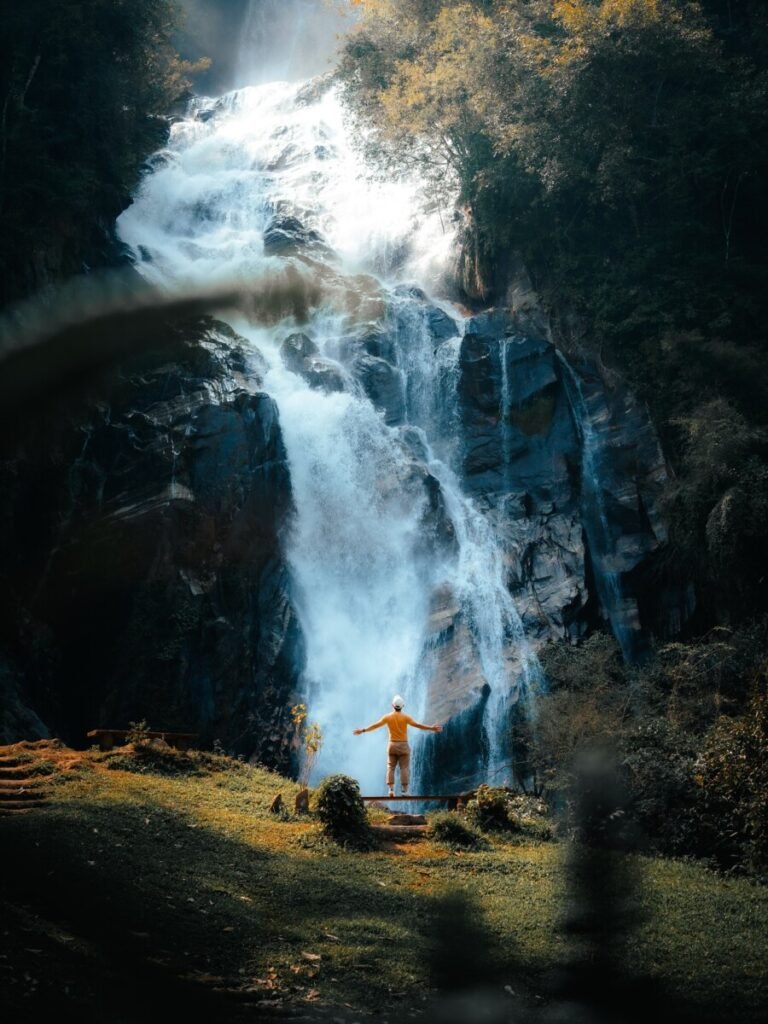
Four tiers drop more than 80 metres down a cliff here, linked by a 5 km forest trail, and the fall runs all year. The grassy campsite near the fourth tier, with views of the falls, makes it a place to spend the night rather than a quick stop. The catch is the last stretch of road, narrow and steep, and doing all four tiers is a moderate to tough hike that turns slippery in the wet season.
More in our Chiang Mai guide.
- Attraction Type
- Waterfall / national park
- Location
- Open in Google Maps
- Cost
- Foreigners 100 THB, Thais 20 THB according to TAT (2026); another listing gives the Ob Luang park rate of 200 THB / 40 THB (check before you go)
- Opening Hours
- Daily, 8:30am to 4:30pm
- Best Time To Visit
- Year-round; July to November for the most water, November to February for dry roads and camping
- How To Get There
- Take Highway 108 from Chiang Mai to Chom Thong (about 1 hour). Turn right by the district office or Wat Sop Tia and follow the road about 15 km towards Sop Tia; no public transport for the last stretch, so hire a car or motorbike taxi


19Pha Dok Siew Waterfall and Nature Trail
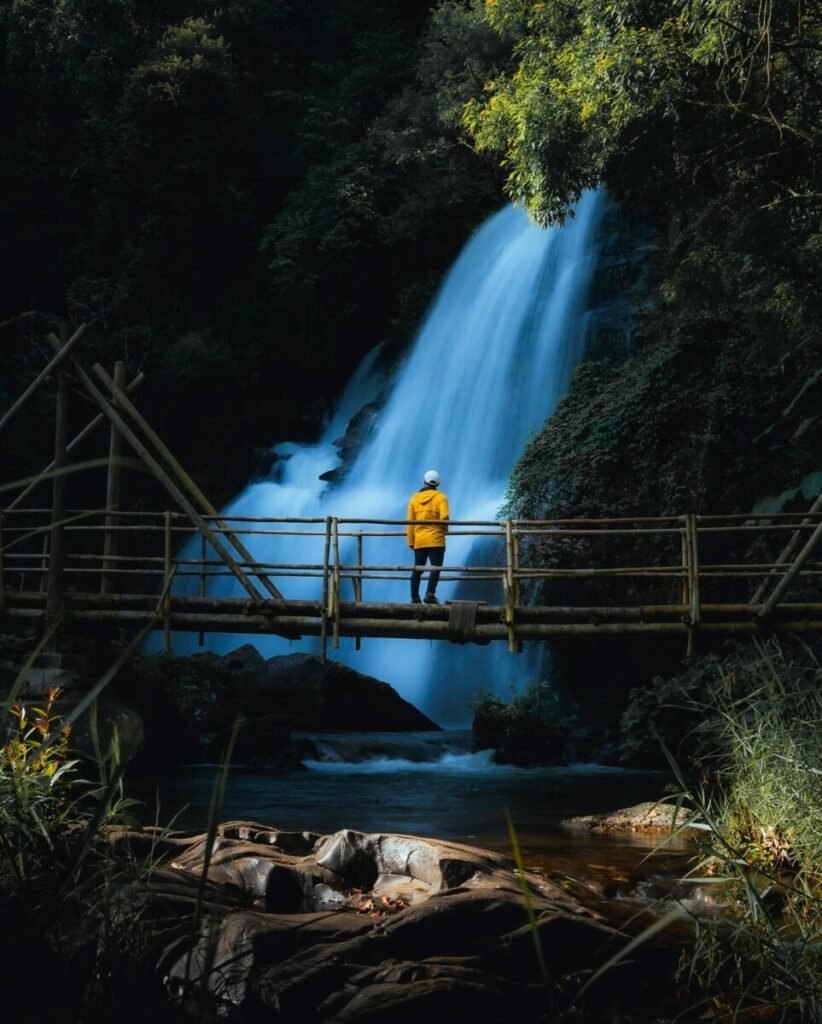
Choose this one for the walk as much as the water. A 2.6 km nature trail, with a compulsory guide from the Karen village of Ban Mae Klang Luang, leads to Pha Dok Siew, the seventh of ten tiers, which drops more than 20 metres beside a bamboo bridge. Allow two to three hours, and listen for white-handed gibbons early in the morning. It is most atmospheric in the rainy season, but the park closes the trail whenever flash floods threaten, so check before setting off.
More in our Chiang Mai guide.
- Attraction Type
- Waterfall / nature trail
- Location
- Open in Google Maps
- Cost
- Local guide 200 THB per group of up to 10 (220 THB in 2023), plus Doi Inthanon National Park entry fee (check before you go)
- Opening Hours
- 8am to 4pm; closed temporarily after heavy rain (check before you go)
- Best Time To Visit
- Late October to February for safer, drier walking; July to September for the most water if the trail is open
- How To Get There
- From Chom Thong, take Highway 1009 up Doi Inthanon to Ban Mae Klang Luang near the Wachirathan Falls area. Yellow songthaews run from Chom Thong; most people drive or join a tour from Chiang Mai
20Khlong Lan Waterfall
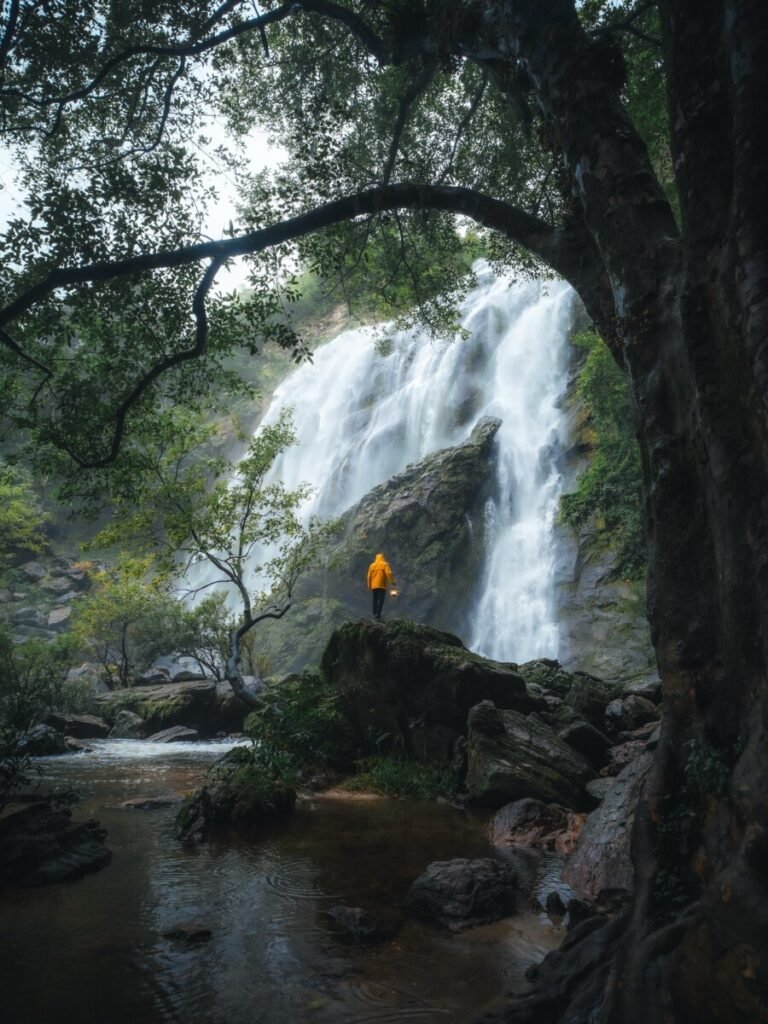
A big drop for a short walk: Khlong Lan falls roughly 95 to 100 metres off a cliff face about 40 metres wide, and the base pool is a short, flat walk from the car park. Come between June and October, when the two streams merge into a single curtain and the spray soaks the path, and arrive before 9am at weekends. Heavy rain can turn the water red and dangerous, and rangers banned swimming after a surge in October 2024.
More in our Lower North guide.
- Attraction Type
- Waterfall / national park
- Location
- Open in Google Maps
- Cost
- Foreigners 200 THB (child 100), Thais 40 THB (child 20), car 30 THB, motorbike 20 THB (national park fee)
- Opening Hours
- Daily, about 08:00 to 16:30 (sources differ slightly; check before you go)
- Best Time To Visit
- June to October for full flow; early morning for rainbows and fewer people
- How To Get There
- About 60 km from Kamphaeng Phet town by car via Khlong Lan district; own transport is easiest


21Khanaeng Waterfall
A recent find: local posts count more than 15 tiers on this forest fall above Ban Khanaeng, and it only became widely known in 2024. The effort is in the approach, a steep, rutted farm track that needs a 4×4 in the wet season and that visitors may now be asked to walk, then about 500 m on foot with steep, slippery sections. Tell Tham Sakoen National Park staff before going in. Go from July to October, and in August and September for the pink dragon-tongue flowers along the stream; ask in the village for a guide and keep off the edge in high water.
More in our Phayao guide.
- Attraction Type
- Waterfall / national park
- Location
- Open in Google Maps
- Cost
- National park entry fee applies (amount unconfirmed, check before you go); guides should not charge per-head fees
- Opening Hours
- Daylight hours; notify park staff before entering (check before you go)
- Best Time To Visit
- July to October; dragon-tongue flowers in August and September
- How To Get There
- From Chiang Kham drive to Ban Khanaeng (Moo 10, Mae Lao subdistrict). The farm track up Soi 5 is steep and rough: 4×4 only, and visitors may now be asked to walk it. Then about 500 m on foot to the falls.

22Tad Dao Waterfall
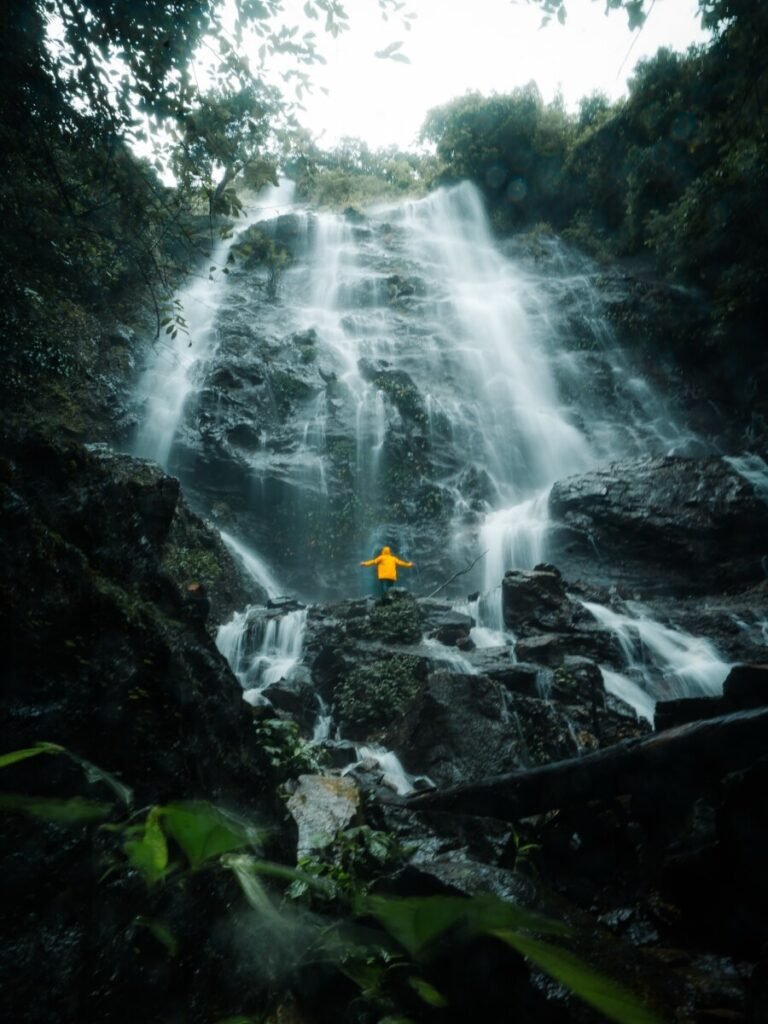
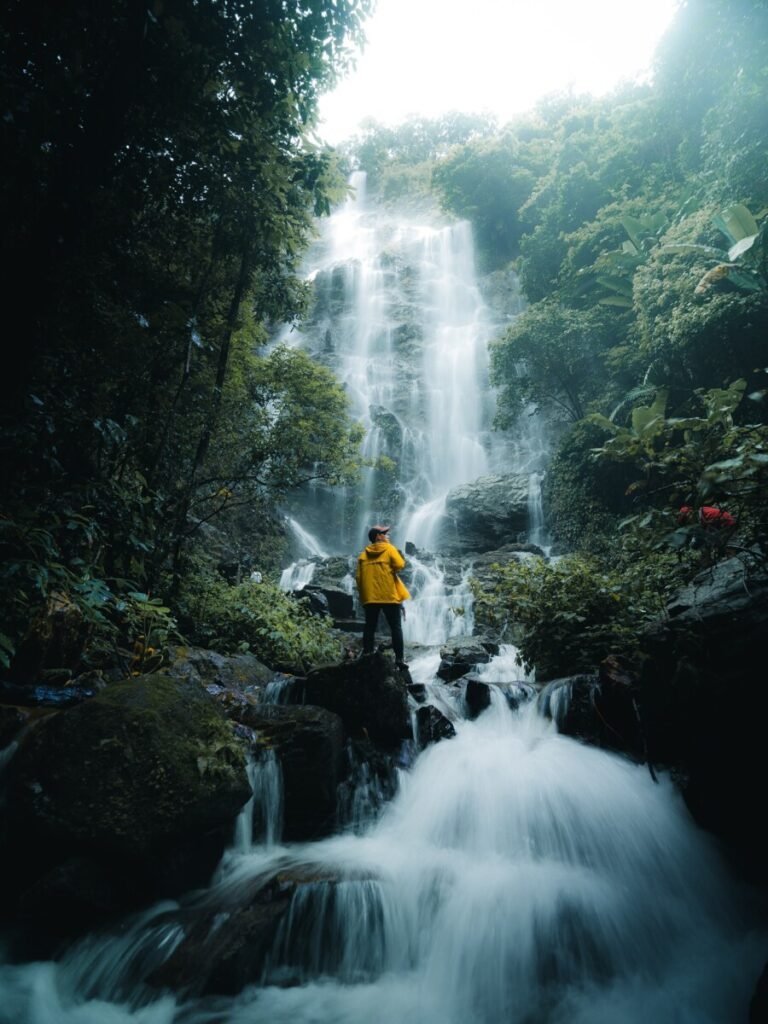
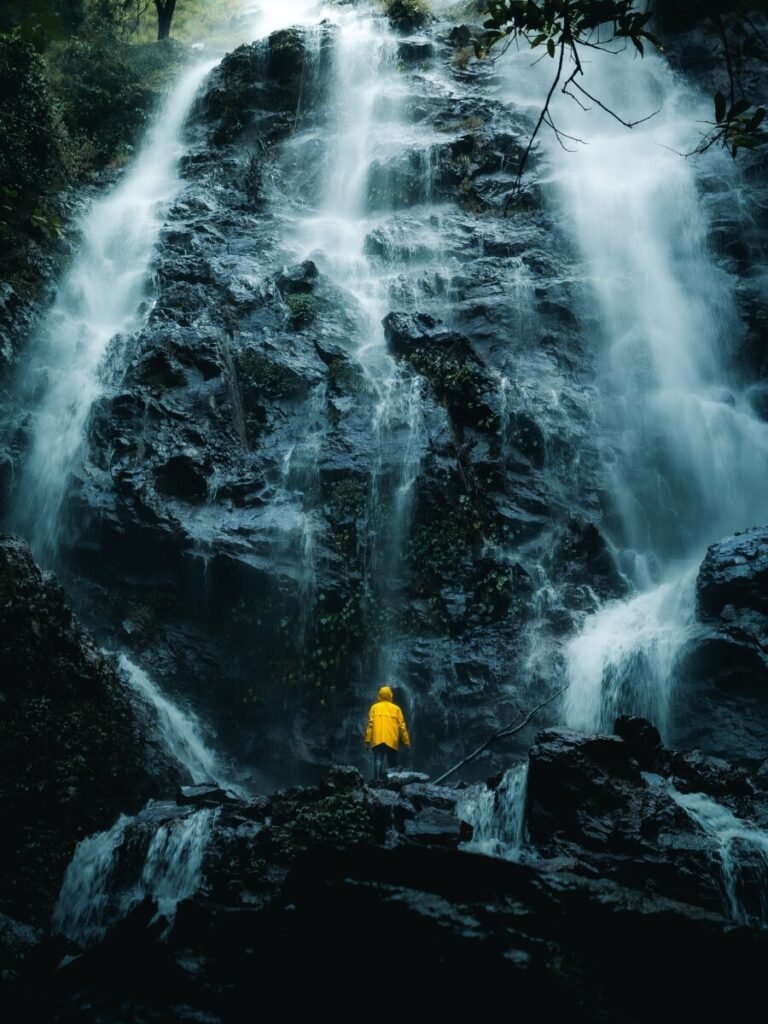
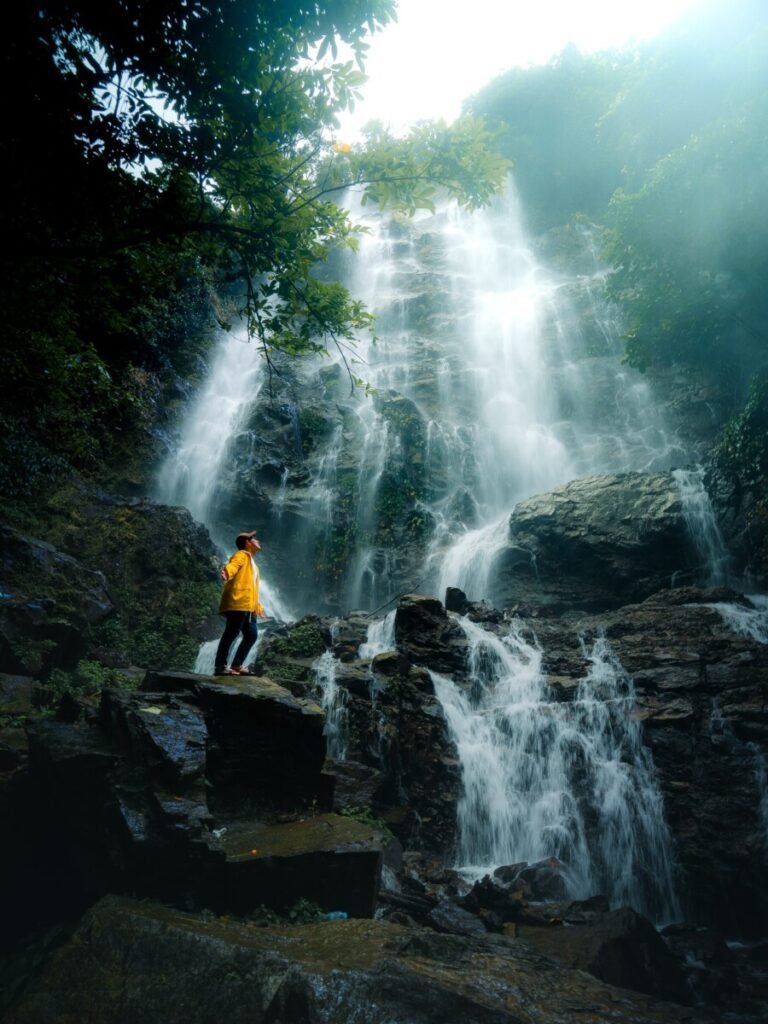
No road reaches Tad Dao, and that is the point: after registering at the Si Satchanalai park office, you walk about 4 km along the stream, one to one and a half hours each way, with a steep, uneven last stretch, to a fall that drops about 50 m in three tiers into a pool. On sunny mornings the spray can throw faint rainbows. The late rainy season into the early cool season brings the most water, but expect slippery rocks and fast-rising streams after rain; the dry season is easier walking with a thinner fall.
More in our Sukhothai guide.
- Attraction Type
- Waterfall / national park
- Location
- Open in Google Maps
- Cost
- Foreigners 200 THB, Thais 20 THB (national park fee), plus vehicle fee
- Opening Hours
- Daily 08:00 to 17:00
- Best Time To Visit
- September to December, when there is water and the trail is drier than mid-monsoon
- How To Get There
- From Sukhothai town drive north to Si Satchanalai district and on to the national park office at Ban Kaeng; then hike about 4 km along the stream. Own transport needed.
23Khun Huai Khi Thoe Waterfall
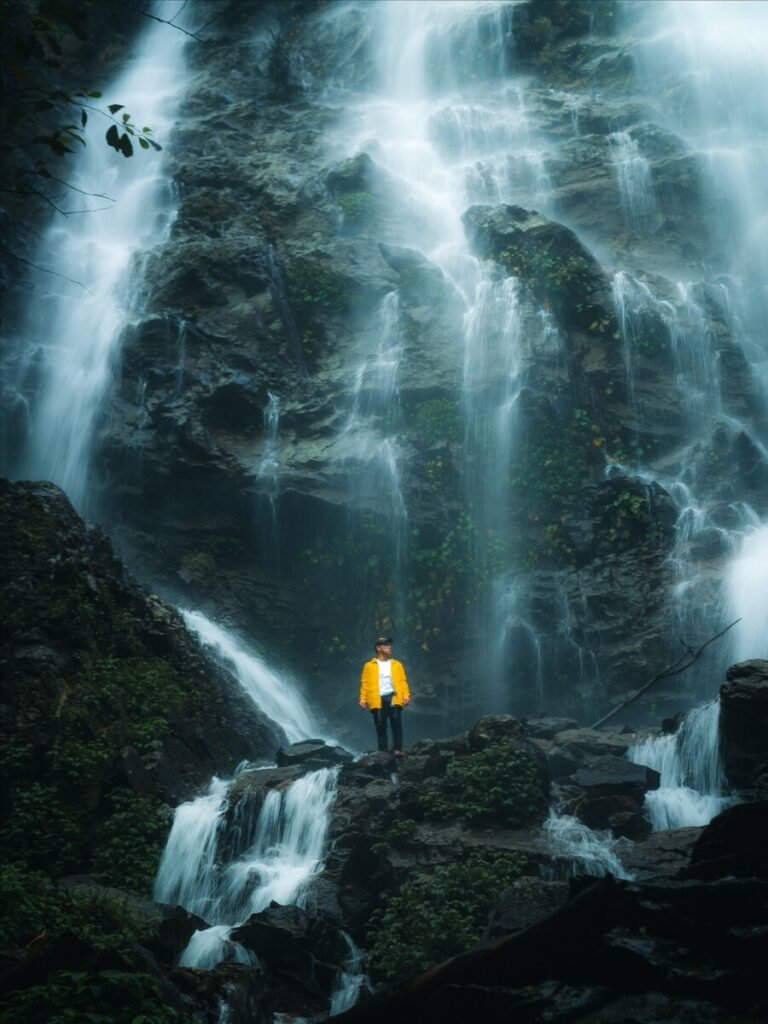
Not an official attraction, so expect no signs, facilities or crowds: just several streams spreading across a wide wall of dark rock in the hills of Mae Ramat. Reaching it means slow driving on narrow hill roads and a walk of about 30 minutes through a corn field and forest, with mud, stream crossings and no phone signal. It is fullest from July to October, when you should keep well back from the rocks.
More in our Tak guide.
- Attraction Type
- Waterfall
- Location
- Open in Google Maps
- Cost
- No fee reported (check before you go)
- Opening Hours
- No set hours; visit in daylight
- Best Time To Visit
- July to October for full flow; go in the morning
- How To Get There
- From Mae Ramat town drive into Khanecho subdistrict on hill roads (no signs; use offline maps or ask locally), park, then walk about 30 minutes. Own car or motorbike needed.

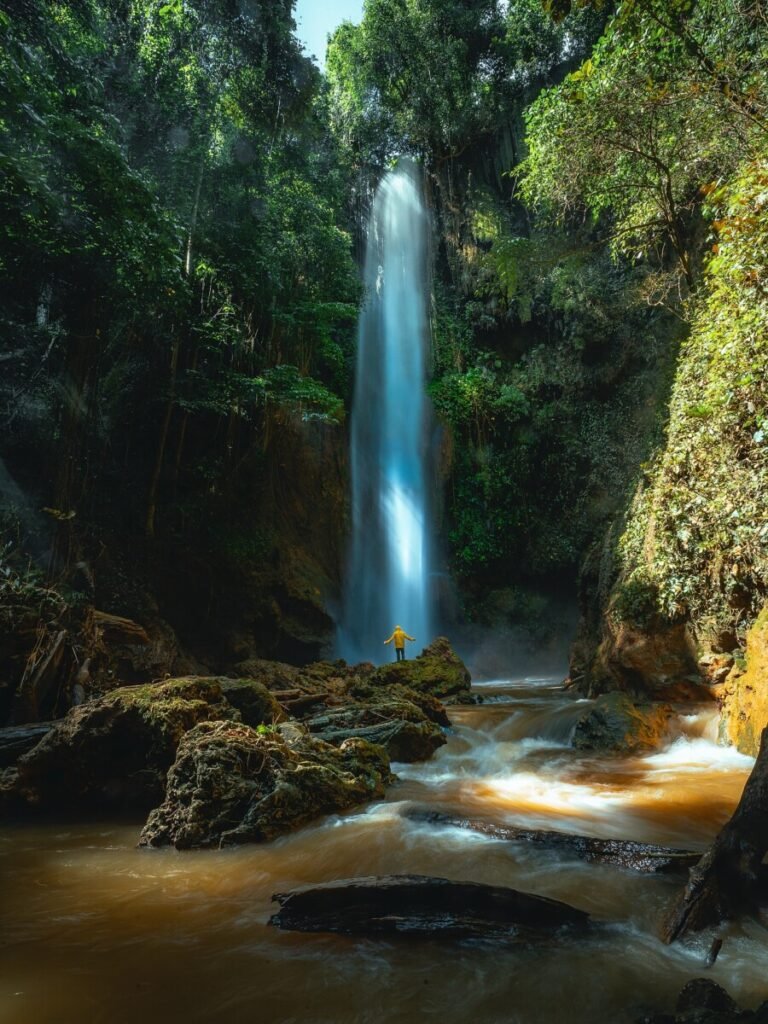
24Pa Mak Waterfall
This one takes effort: over 15 km of unsigned track beyond Ban Tin That, with steep bends and cliff edges, then a very steep, slippery trail down and back up. The reward is a tall drop through a mossy gorge into a clear pool shallow enough to wade in, with a cave beside the falls where water emerges. A local guide is strongly advised, and avoid it after heavy rain.
More in our Tak guide.
- Attraction Type
- Waterfall
- Location
- Open in Google Maps
- Cost
- No fee reported; local guide fee extra (check before you go)
- Opening Hours
- No set hours; daylight only
- Best Time To Visit
- November to February, after the rains but with water still flowing (check before you go)
- How To Get There
- From Mae Ramat town head to Ban Tin That, then over 15 km on unsigned concrete and dirt tracks; park and walk through fields and down a steep trail. A local guide or 4×4 is recommended.
Central and Western Thailand
Kanchanaburi’s limestone falls are the best known in Thailand, and Erawan and Huai Mae Khamin are the ones to plan a cooler-month trip around, with tiered pools to swim in. Sai Yok Yai works the other way: it needs the rains, and drops straight into the Khwae Noi. Closer to Bangkok, the falls around Khao Yai, Nakhon Nayok, Saraburi and Chanthaburi lean on the rains and get busy at weekends, and Krok E Dok is the region’s serious hike.


25Erawan Falls
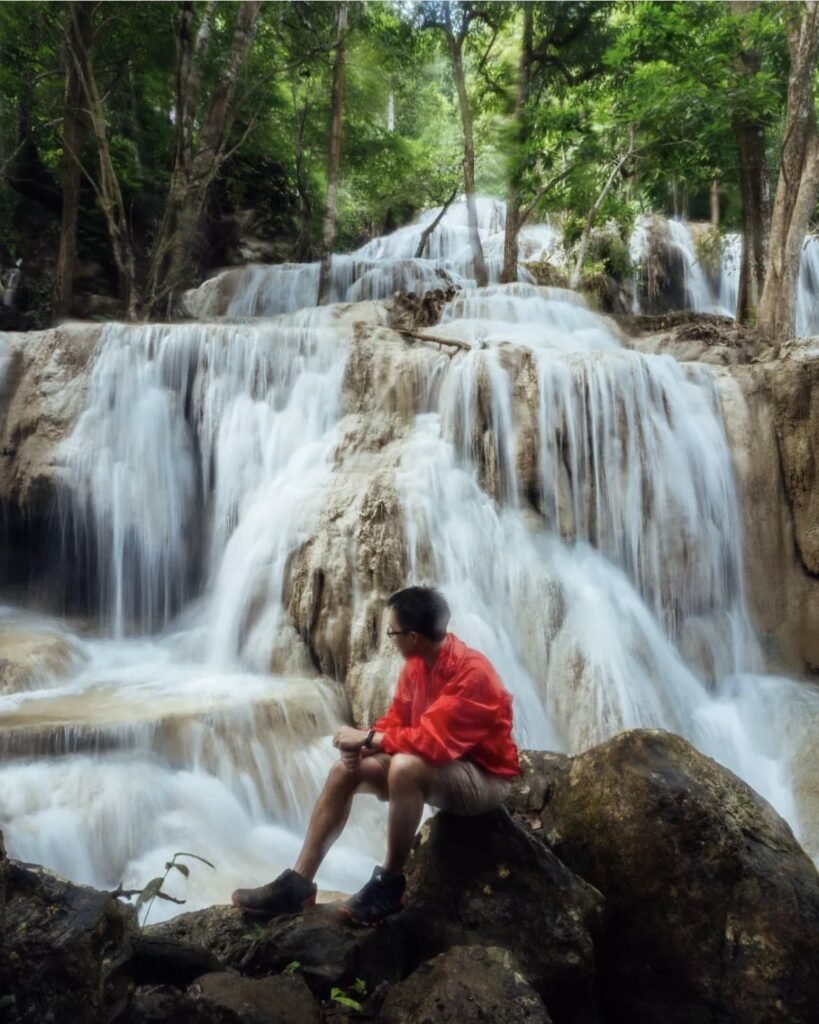
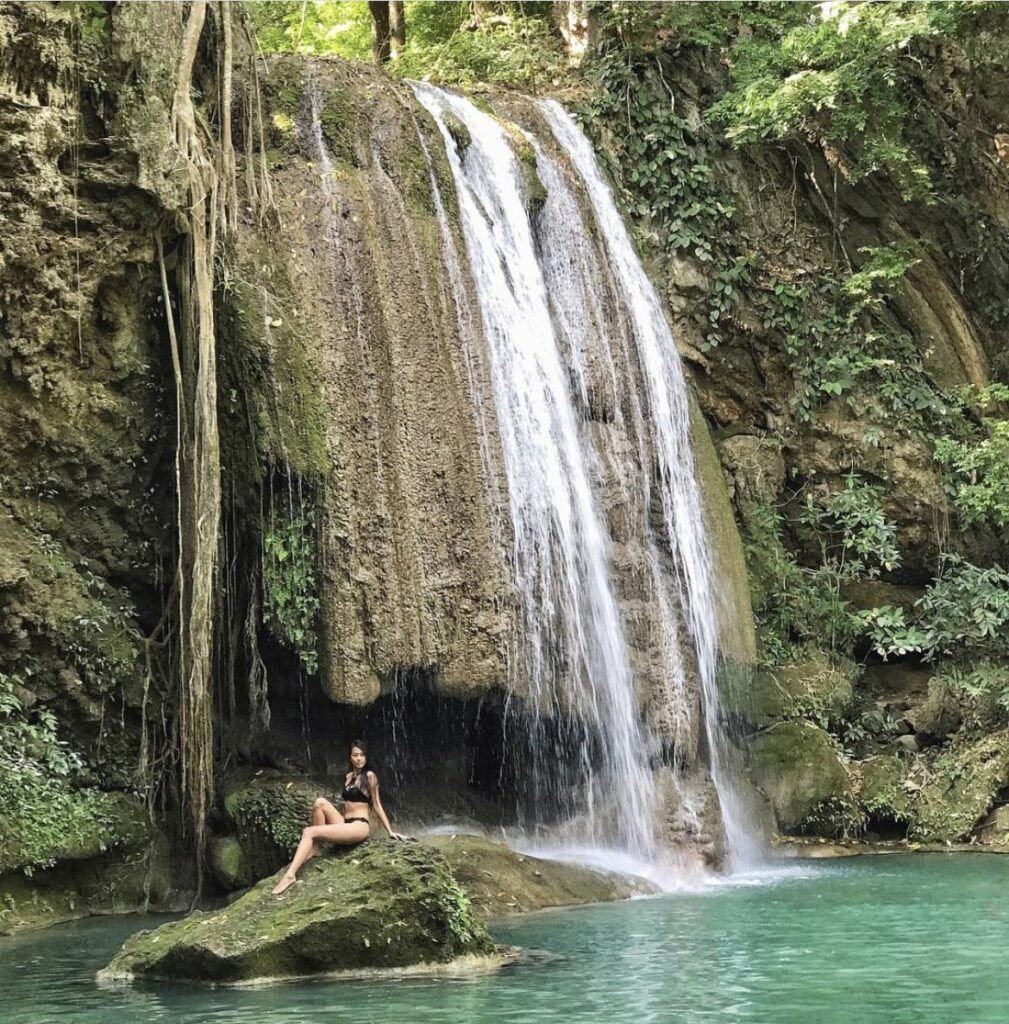
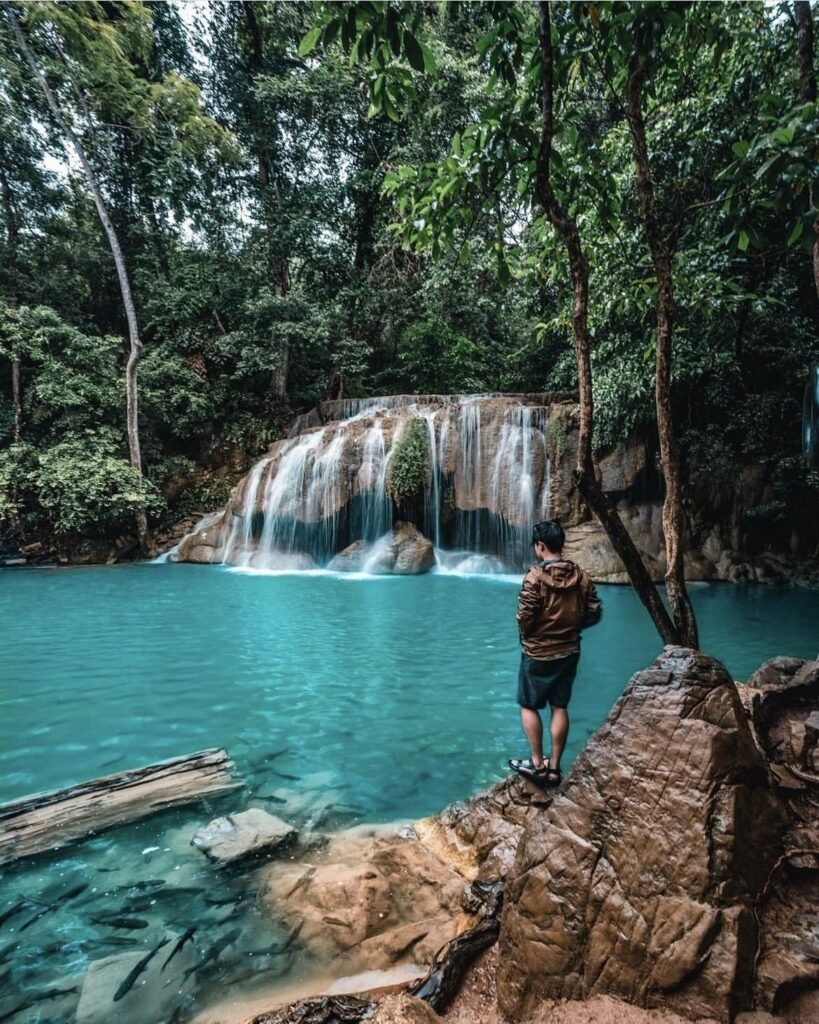
The best known of Kanchanaburi’s limestone falls, and it gets busy. Seven tiers spill into emerald pools full of fish that nibble your feet. Skip the crowded lower pools and head straight up early on a weekday, since the top is quieter, though the trail beyond tier 5 is rocky and slippery. Heavy rain in September and October 2026 led the park to suspend swimming for a time, so check its page first.
More in our Kanchanaburi guide.
- Attraction Type
- Waterfall and national park
- Location
- Open in Google Maps
- Cost
- 300 THB for foreign adults, 60 THB for Thai adults
- Best Time To Visit
- Early morning on a weekday, November to April
- Opening Hours
- 8am – 4.30pm (last entry 3.30pm)
- Number
- 034 574 222
- How To Get There
- About 70 km (1.5 hours) north of town; buses run from Kanchanaburi
- What to Pack
- Swimwear, water shoes and cash


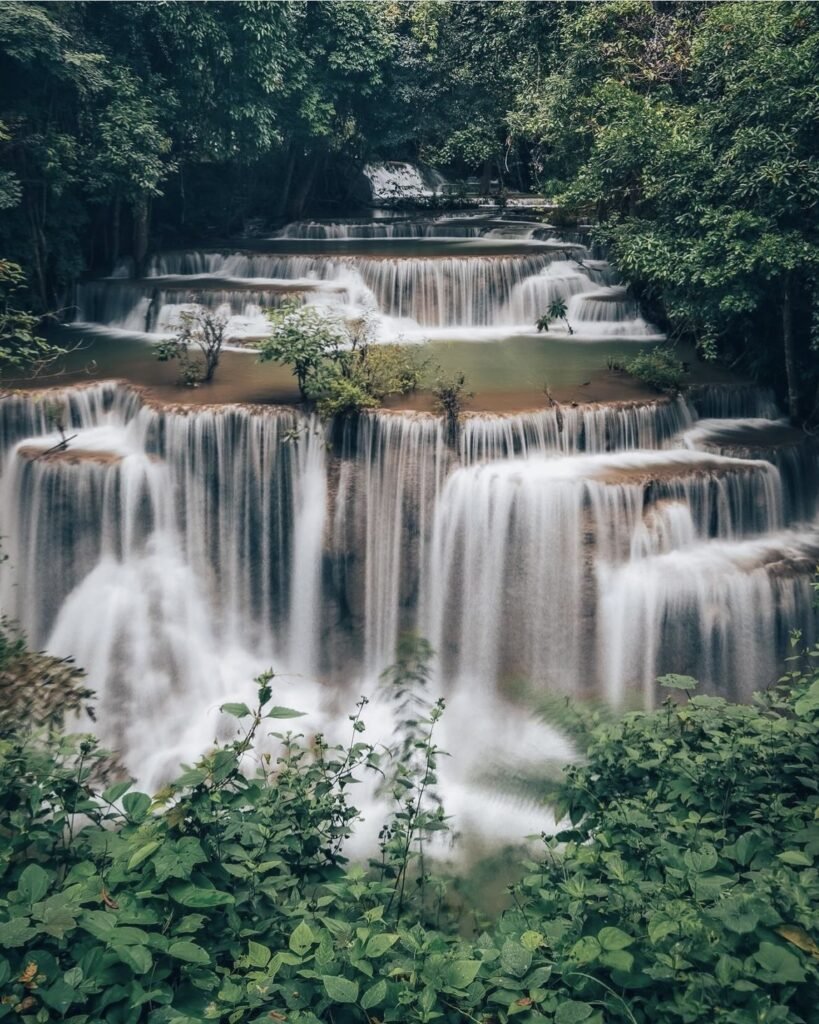
26Huai Mae Khamin Waterfall
The quieter alternative to Erawan: another seven-tier fall, in Khuean Srinagarindra National Park, but a long drive further out, so it needs a full day. Chat Kaew, the fourth tier, is the broad curtain of water people come to photograph.
More in our Kanchanaburi guide.
- Attraction Type
- Waterfall and national park
- Location
- Open in Google Maps
- Cost
- 300 THB for foreigners, 60 THB for Thais
- Best Time To Visit
- October to April
- Opening Hours
- 6am – 4.30pm
- Number
- 034 540 316
- How To Get There
- About 113 km from town via Route 3199
- What to Pack
- Water shoes and swimwear


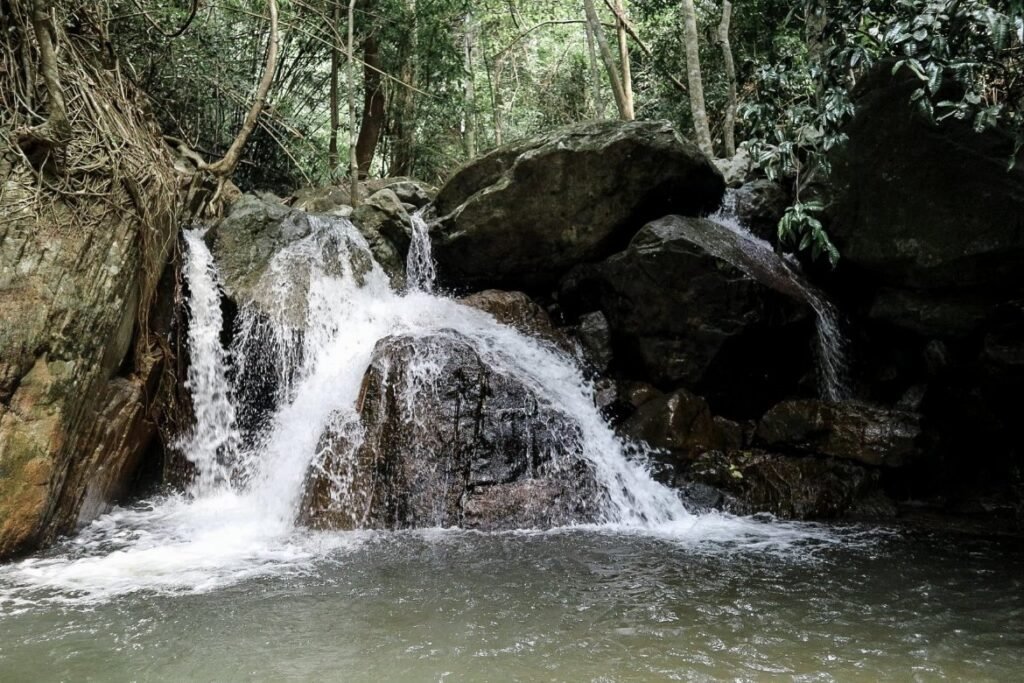
27Jok Kradin Waterfall
A single drop rather than a staircase. Jok Kradin falls 34 metres into a deep blue pool, a short walk from the car park in Thong Pha Phum National Park, and it needs the rainy season for full flow. The steep road down to the car park calls for low gear.
More in our Kanchanaburi guide.
- Attraction Type
- Waterfall
- Location
- Open in Google Maps
- Cost
- 200 THB for foreigners, 40 THB for Thais
- Best Time To Visit
- June to October for the strongest flow
- Opening Hours
- Daily, 08:30 to 16:00
- Number
- 098 252 0359
- How To Get There
- About 7 km before Ban E-Tong on Route 3272
- What to Pack
- Water shoes for the slippery rocks


28Krok E Dok Waterfall
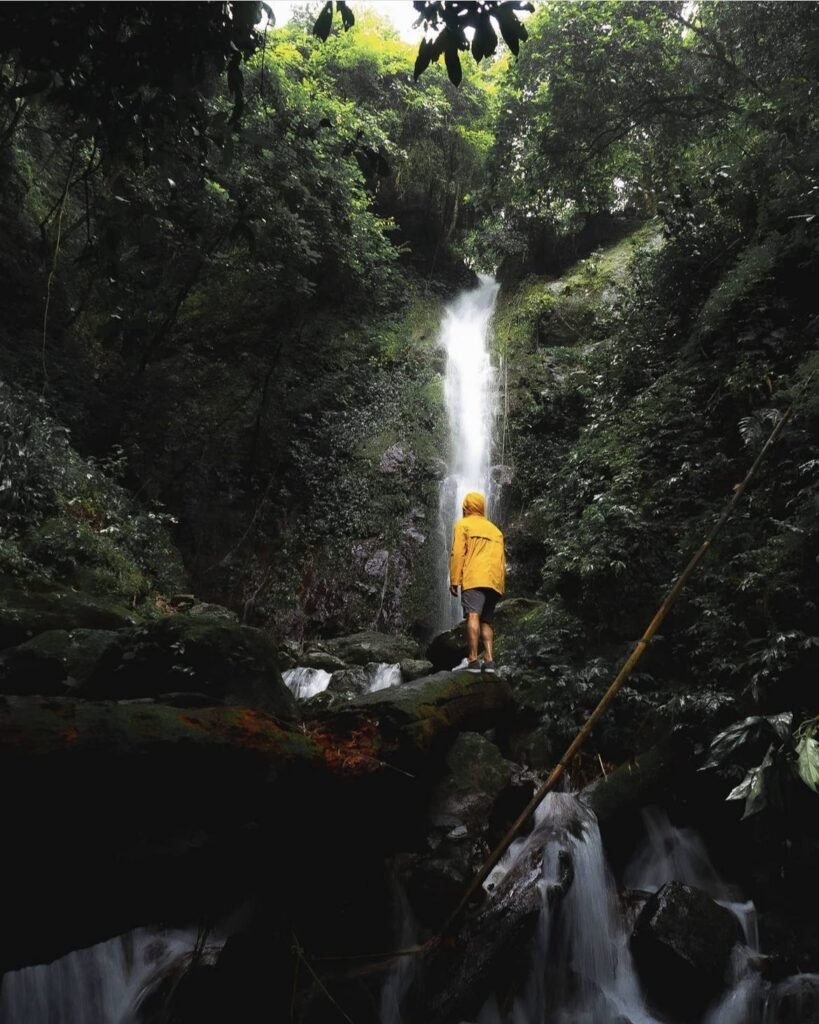
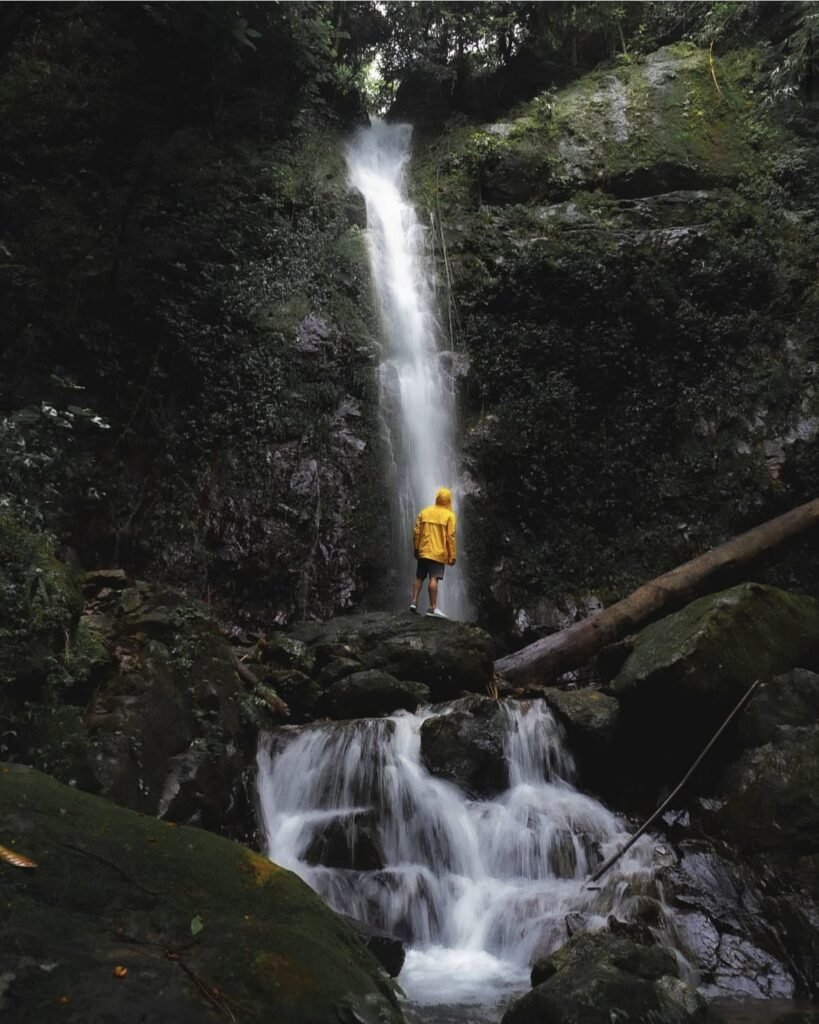
Krok E Dok takes real planning. Its eight tiers in the Saraburi corner of Khao Yai can only be reached with a guide on a registered round, with limited daily places, and the round trip through forest and across streams takes five to six hours. Most groups turn back at the seventh tier, where the water fans over rock shelves into clear pools. It’s fullest from July to November but closes after heavy rain, and October and November give drier trails.
More in our Saraburi guide.
- Attraction Type
- Waterfall, guided forest hike
- Location
- Open in Google Maps
- Cost
- About 660 to 750 THB for foreigners and 300 to 375 THB for Thais, covering park fee, guide and shuttle; cheaper if booked ahead (check before you go)
- Opening Hours
- Registration rounds roughly 06:00 to 10:00; mainly open in the rainy season (about July to November), often weekends and holidays
- Best Time To Visit
- July to November for flow; October and November for drier trails
- How To Get There
- From Saraburi take Mittraphap Road towards Muak Lek; before Thap Kwang follow signs to the Chet Khot to Pong Kon Sao Nature Study and Ecotourism Centre, where hikers register. About 2 hours from Bangkok by car.
- What to Pack
- Hiking shoes with grip, leech socks, swimwear, dry bag, 2 litres of water, snacks

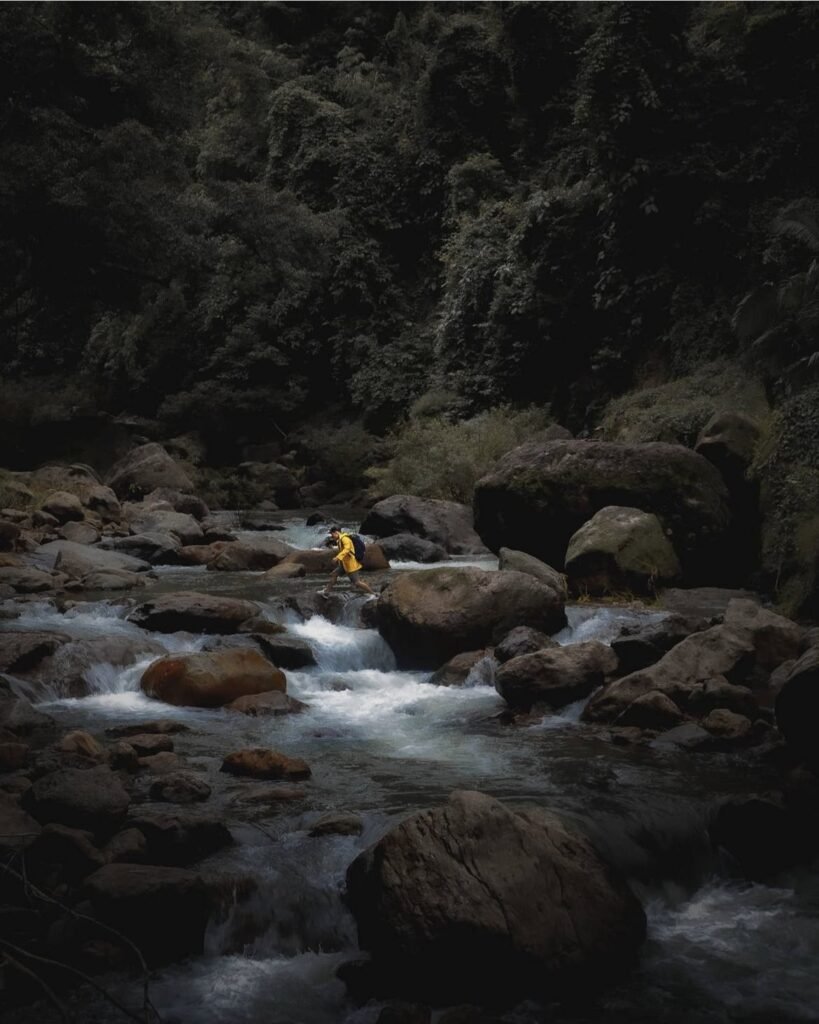
29Sarika and Nang Rong Waterfalls
Two falls near Bangkok, and an easy choice between them. Sarika is the bigger, with nine tiers and pools to swim in; Nang Rong is a short walk from its car park and usually quieter, so pick it if you’re short of time or energy. Both need the rainy season and are best avoided at weekends, when you may have to park well back.
More in our Nakhon Nayok guide.
- Attraction Type
- Waterfalls
- Location
- Open in Google Maps
- Cost
- Sarika: 200 THB for foreign adults, 40 THB for Thais (Khao Yai National Park); parking extra
- Best Time To Visit
- July to October
- How To Get There
- By car or songthaew, about 15 to 20 minutes north of Nakhon Nayok town
- Opening Hours
- Sarika: daily, 08:00 to 17:00
- What to Pack
- Swimwear and shoes with grip

30Namtok Phlio
As much a forest park as a waterfall. You can swim among large carp in the pools (don’t feed them), and shaded trails pass an old chedi and a memorial built by King Rama V. It’s just outside Chanthaburi; aim for a weekday morning.
More in our Chanthaburi guide.
- Attraction Type
- Waterfall and national park
- Location
- Open in Google Maps
- Cost
- 200 THB for foreign adults, 40 THB for Thai adults
- Best Time To Visit
- Weekdays, in the morning
- How To Get There
- About 20 minutes by car from Chanthaburi town
- Opening Hours
- Mon to Fri, 08:00 to 16:00; Sat and Sun, 08:00 to 16:30
- What to Pack
- Swimwear and shoes for wet rocks
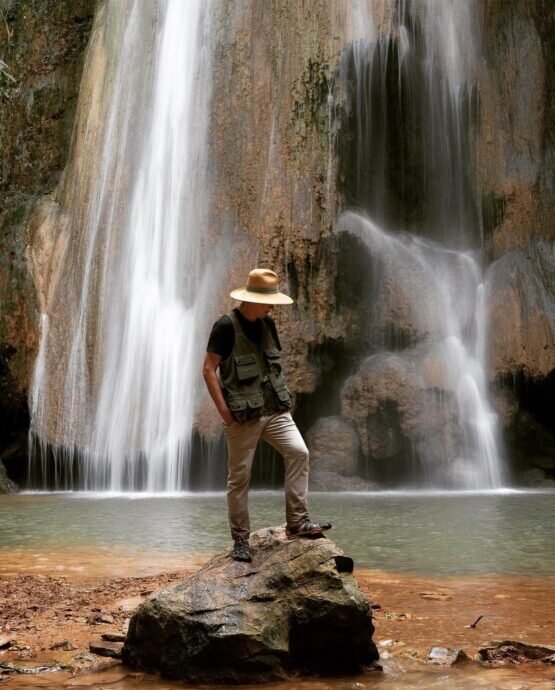

31Namtok Sap Wae
A free local fall outside the national parks, in the Muak Lek foothills. The water drops about 30 metres over limestone, and in good flow the pool turns turquoise against the dark rock; in the dry months it can shrink to a trickle, so come between June and October. The steep walk in calls for proper shoes.
More in our Saraburi guide.
- Attraction Type
- Waterfall
- Location
- Open in Google Maps
- Cost
- Free
- Opening Hours
- Daily 07:00 to 18:00
- Best Time To Visit
- June to October, morning
- How To Get There
- From Muak Lek take Route 2273 towards Pong Keng Khet junction, turn right and continue about 5 km to Ban Sap Wae, then walk about 800 m. Show drivers the Thai name, น้ำตกซับเหว.
- What to Pack
- Shoes with grip, swimwear

32Sai Yok Yai Waterfall
One of the few waterfalls in Thailand that drops straight into a big river, Sai Yok Yai falls roughly 10 metres off a cliff into the Khwae Noi beside the suspension bridge, with almost no walking needed. Flow depends on the season: full from June or July, but it can thin to a trickle in April and May. The best view is from the far bank over the bridge, and as the park fee is high for foreigners, pair it with the park’s caves and riverside trails.
More in our Kanchanaburi guide.
- Attraction Type
- Waterfall / national park
- Location
- Open in Google Maps
- Cost
- Foreigners 300 THB, children 150 THB; Thais 60 THB, children 30 THB; car 30 THB (national park fee)
- Opening Hours
- Sources give 08:00 to 16:30 or 08:30 to 16:00 (check before you go)
- Best Time To Visit
- July to October for the strongest flow; avoid April and May
- How To Get There
- From Kanchanaburi town drive north-west on Highway 323 to the Sai Yok National Park turn-off; sources put it at 85 to 100 km, about 1.5 hours by car. Without a car, take the train to Nam Tok station or a bus towards Thong Pha Phum and arrange onward transport.
Isaan
Isaan’s falls run over sandstone, wide and stepped rather than tall, and nearly all of them need the rainy season to look like the photos. Most pair with something else nearby, from the Mekong road at Sangkhom to the Dolphin Rocks and the rock engravings at Phu Pha Yon.
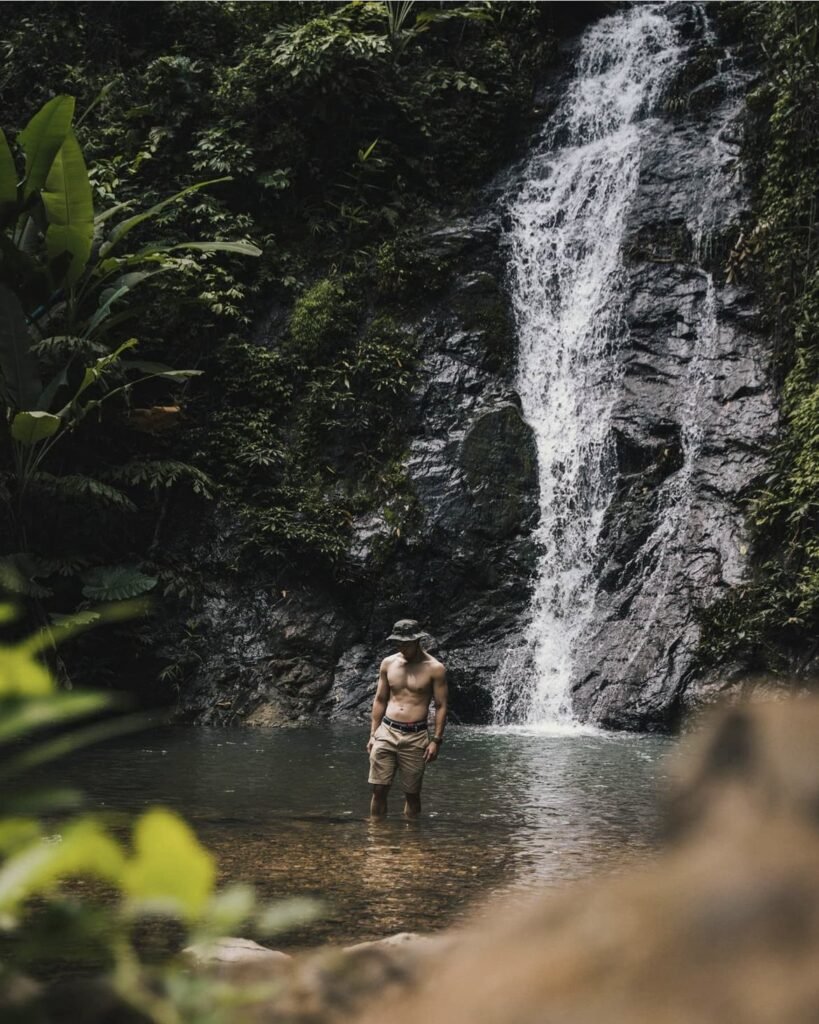



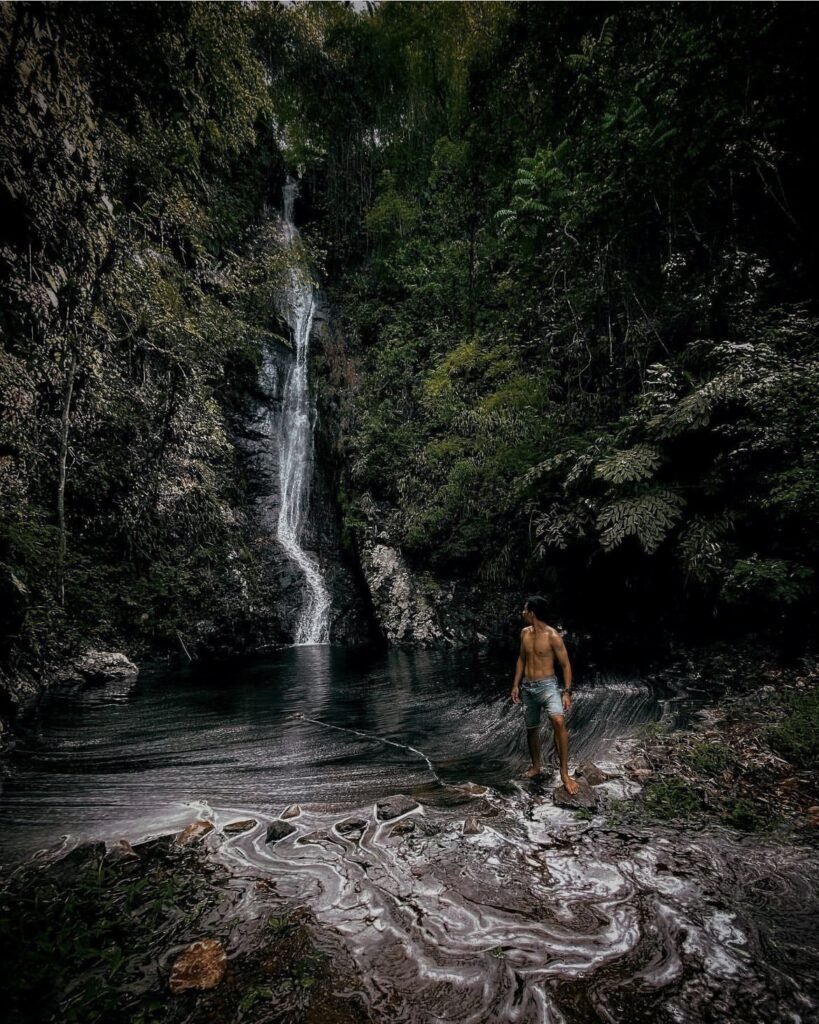
33Than Thip Waterfall
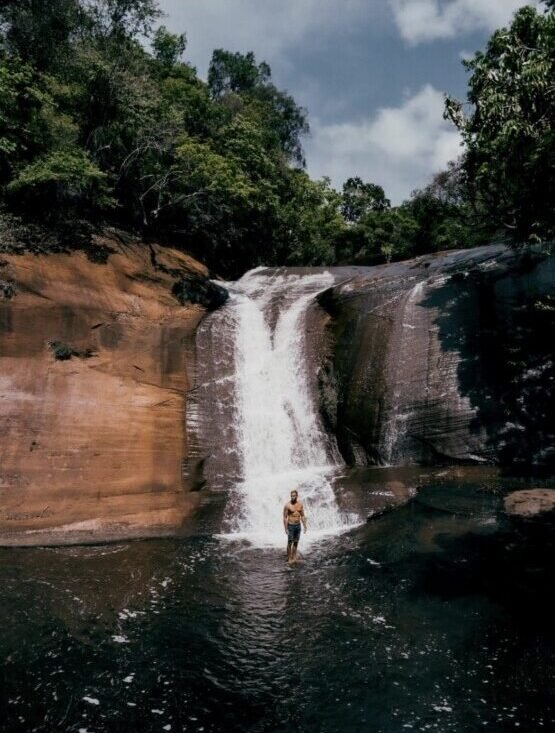
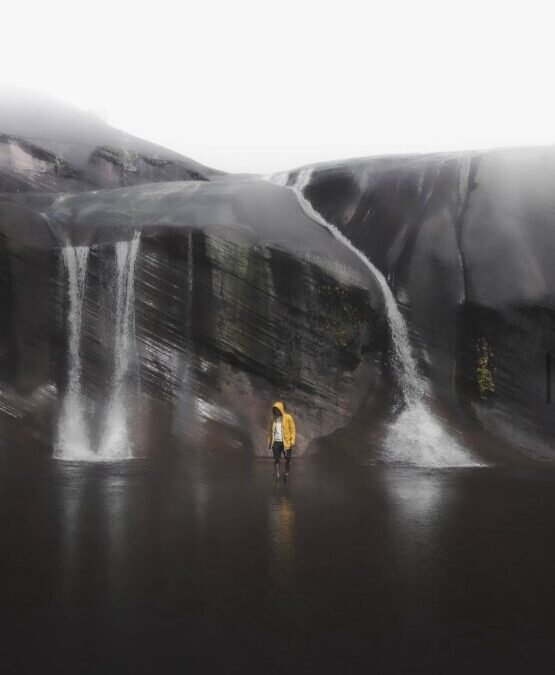
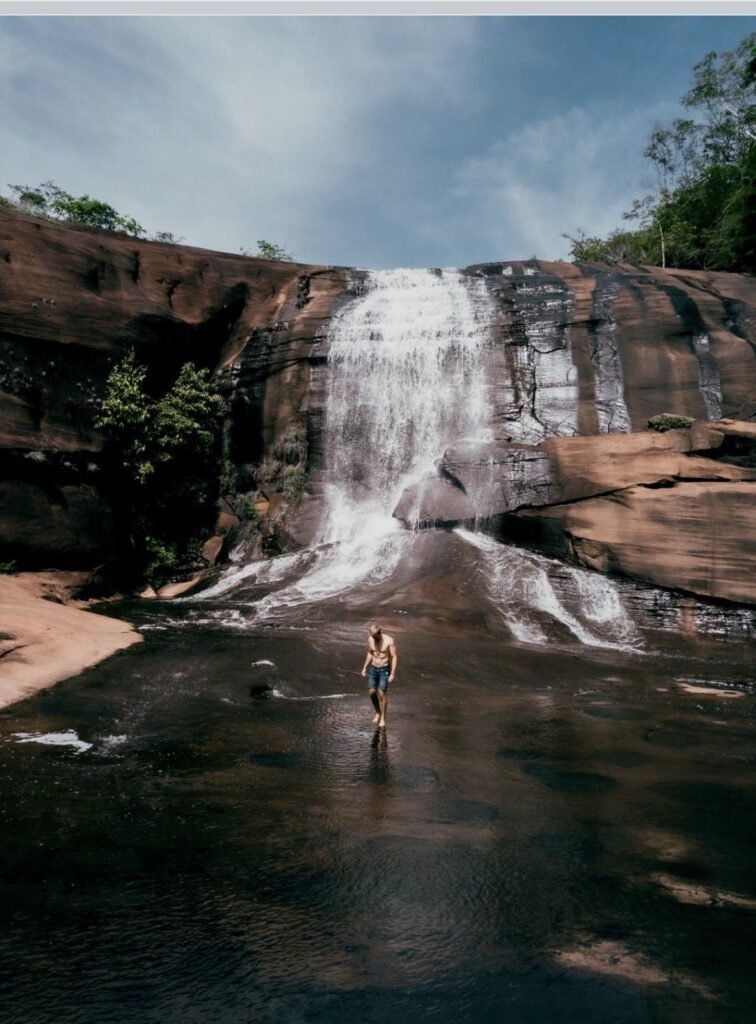
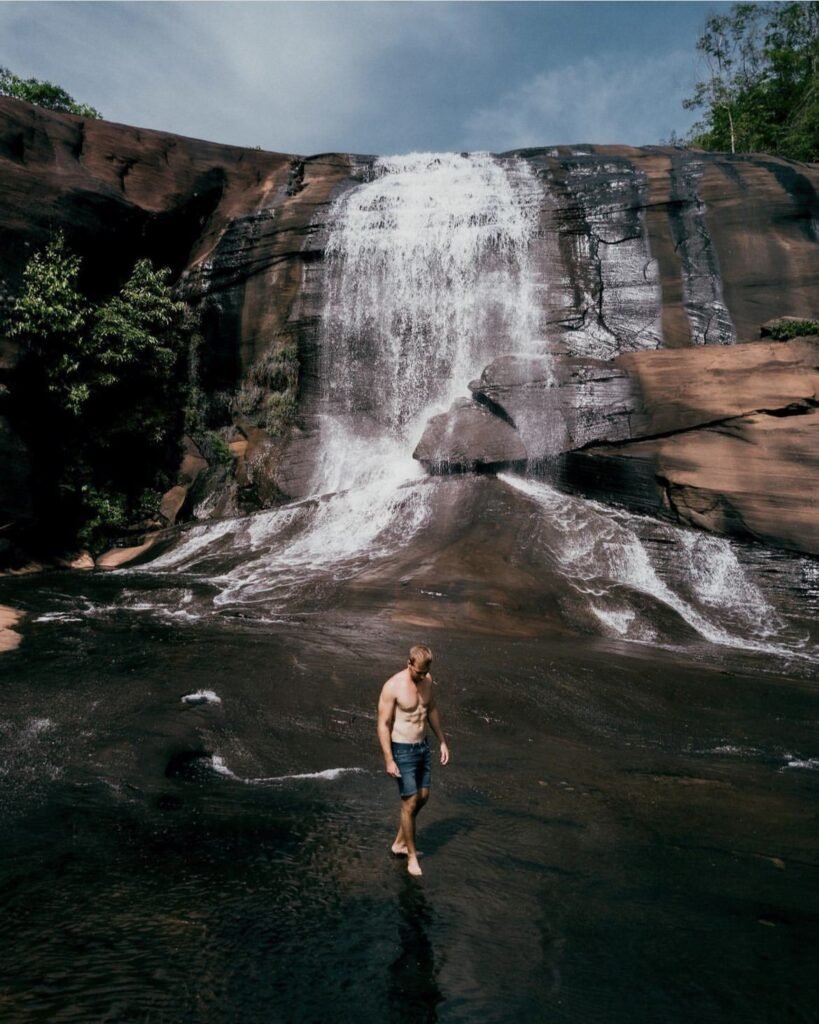
Of the Sangkhom sights, this is the one where timing matters most. From July to December the three tiers over rock shelves are full and you can swim in the green pools when the current is gentle; in the dry season the falls look nothing like the photos. Head for the second tier. It’s only 100 metres from the car park, so it slots easily into a day on the Mekong road.
More in our Isaan guide.
- Attraction Type
- Waterfall
- Location
- Open in Google Maps
- Cost
- Free
- Opening Hours
- 08:30 to 16:30 daily
- Best Time To Visit
- July to December for good flow; morning for soft light
- How To Get There
- Drive Highway 211 about 9 km from Sangkhom to Ban Tat Soem, then walk about 100 m
- What to Pack
- Sandals with grip, swimwear, tripod
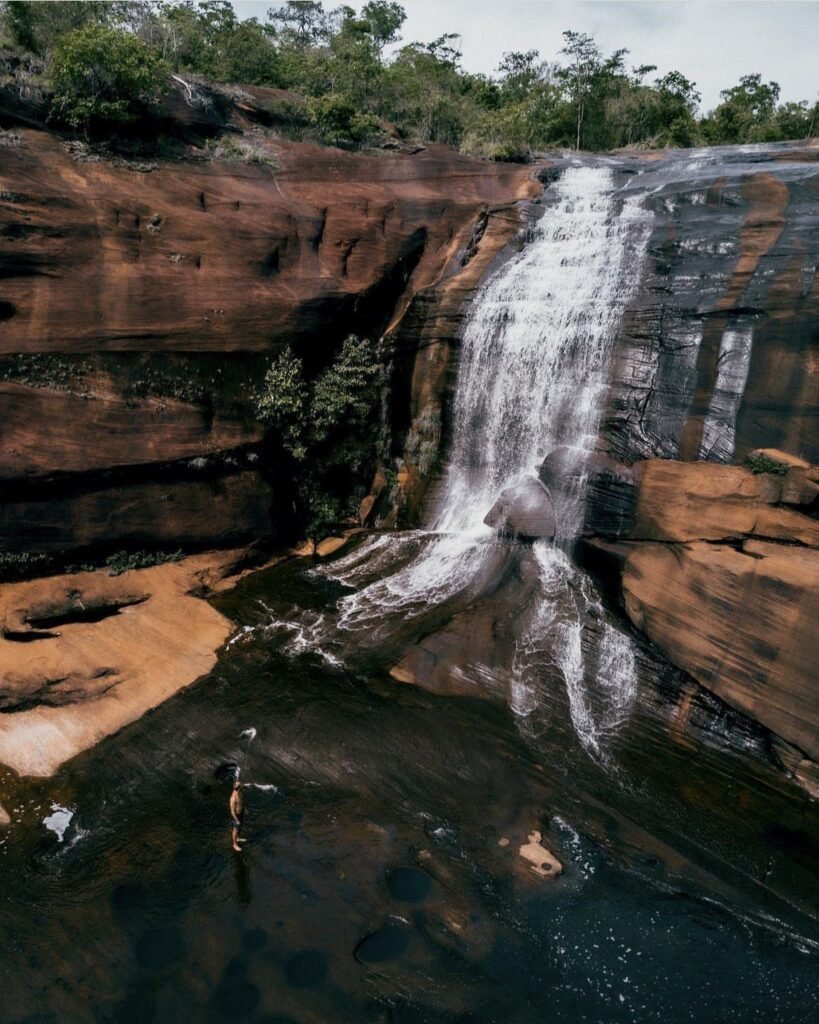

34Chet Si and Tham Phra Waterfalls
When the water is up, these are two of the best waterfalls in Isaan; in the dry season both can shrink to a trickle, so plan them for July to October. Chet Si is a wide, tiered fall a short forest walk from the car park. Tham Phra adds a boat ride across a reservoir and a natural rock waterslide, on very slippery rock.
More in our Bueng Kan guide.
- Attraction Type
- Waterfalls
- Location
- Open in Google Maps
- Cost
- Chet Si may charge the Phu Wua sanctuary fee of 200 THB for foreign adults, 30 THB for Thai adults (reports differ, check before you go). Tham Phra 200 THB plus about 50 THB for the boat
- Opening Hours
- Chet Si 08:30 to 17:00; Tham Phra 08:00 to 16:00
- Best Time To Visit
- July to October
- How To Get There
- By car, about 1 hour 30 minutes from Bueng Kan town, then an 800 m walk
- What to Pack
- Swimwear and shoes with grip

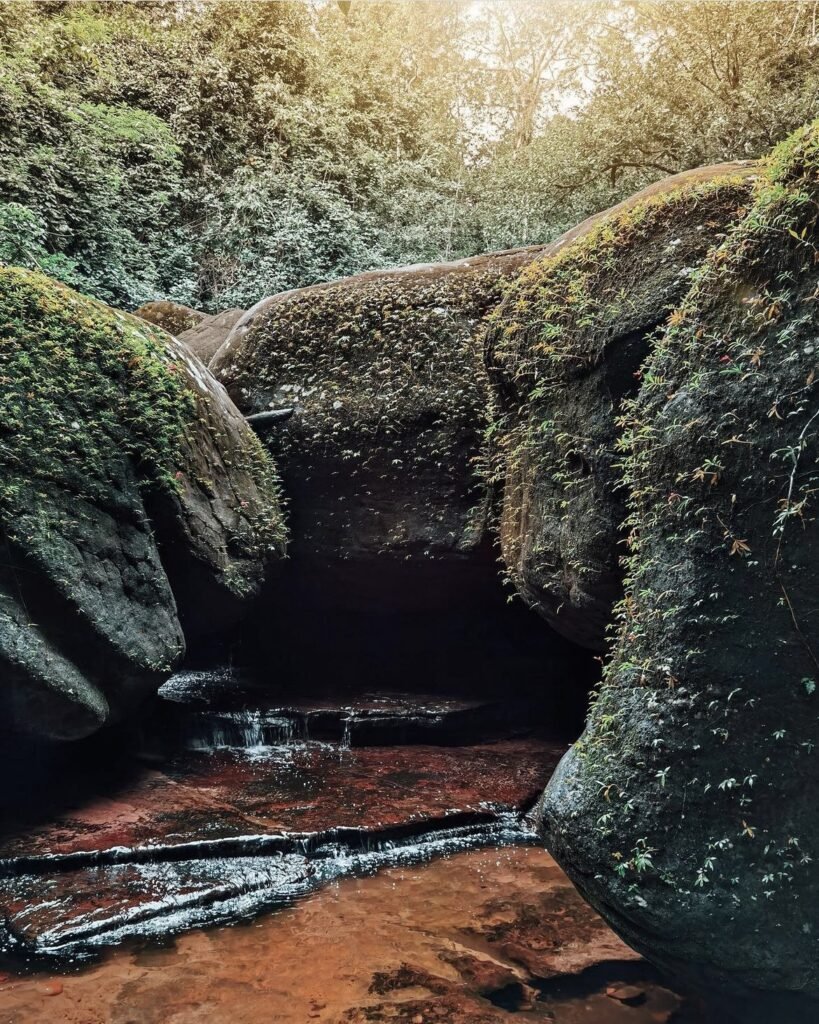
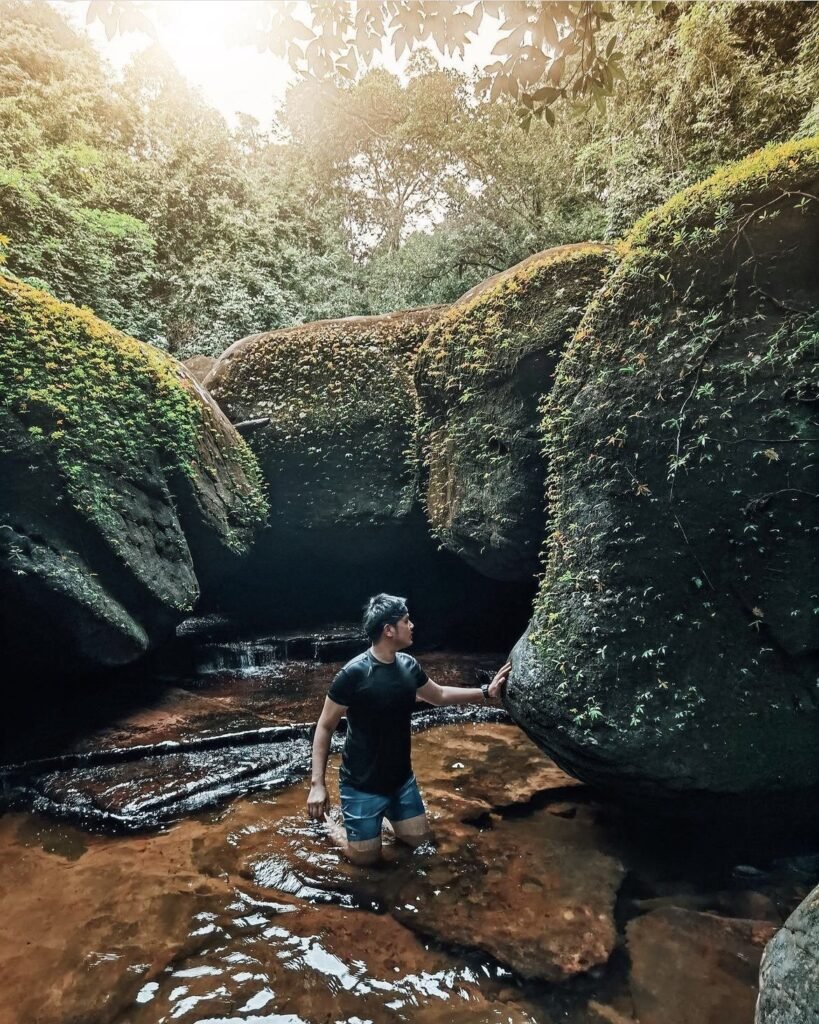
35Kinnaree Waterfall
Don’t come for a big drop. Kinnaree is a small, gentle slide of water over mossy boulders, passed on the guided trail to the Dolphin Rocks, and most people treat it as a shaded pause on the way down. For water in it, come between August and December. A local guide is compulsory.
More in our Isaan guide.
- Attraction Type
- Waterfall (national park)
- Location
- Open in Google Maps
- Cost
- Foreigners 100 THB, Thais 20 THB (national park fee), plus the guide fee, by donation or negotiation
- Opening Hours
- Daily, 07:00 to 15:30
- Best Time To Visit
- August to December for flow; Dolphin Rocks light best around midday
- How To Get There
- Drive north from Nakhon Phanom towards Na Thom and Ban Phaeng (about 1.5 to 2 hours); join a community guide at the trailhead
- What to Pack
- Grippy shoes, tripod, insect repellent, water

36Saeng Chan Waterfall
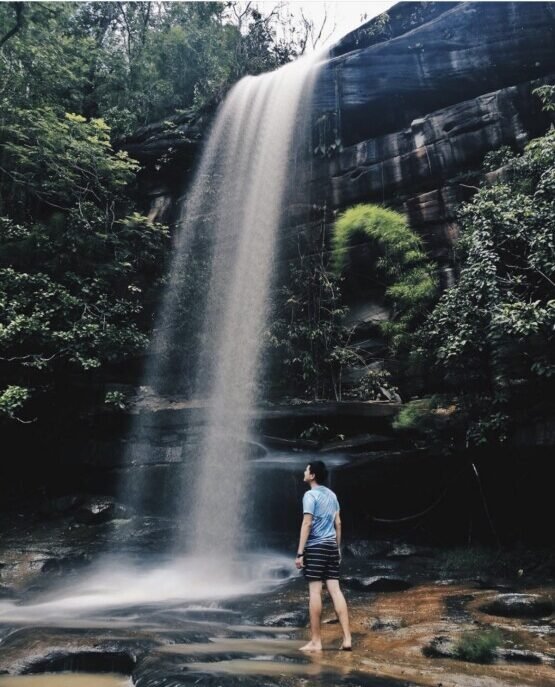
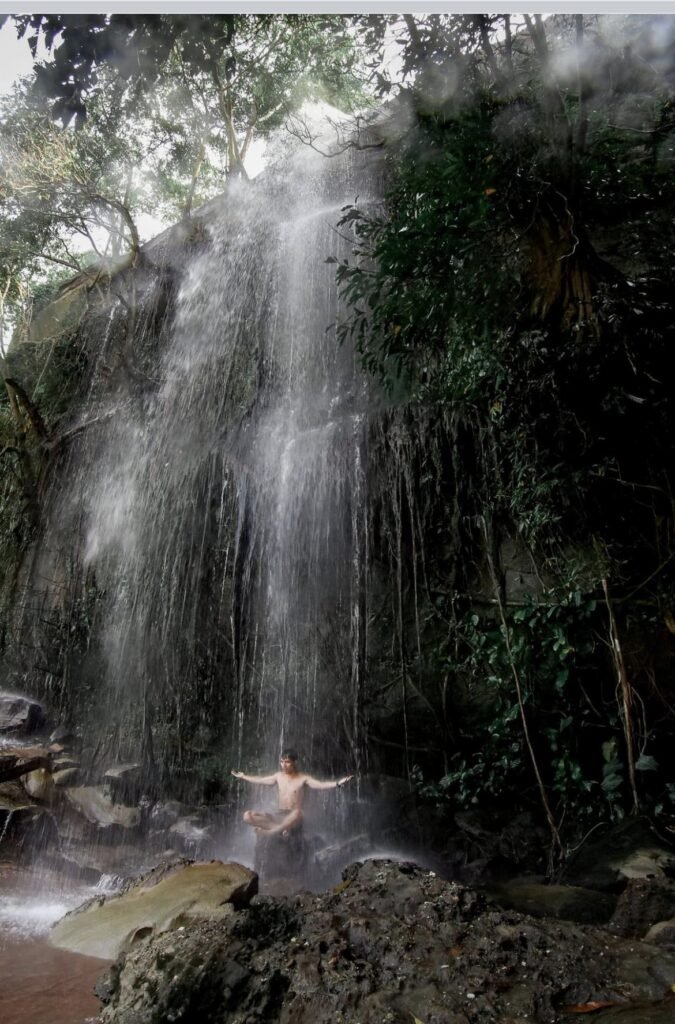
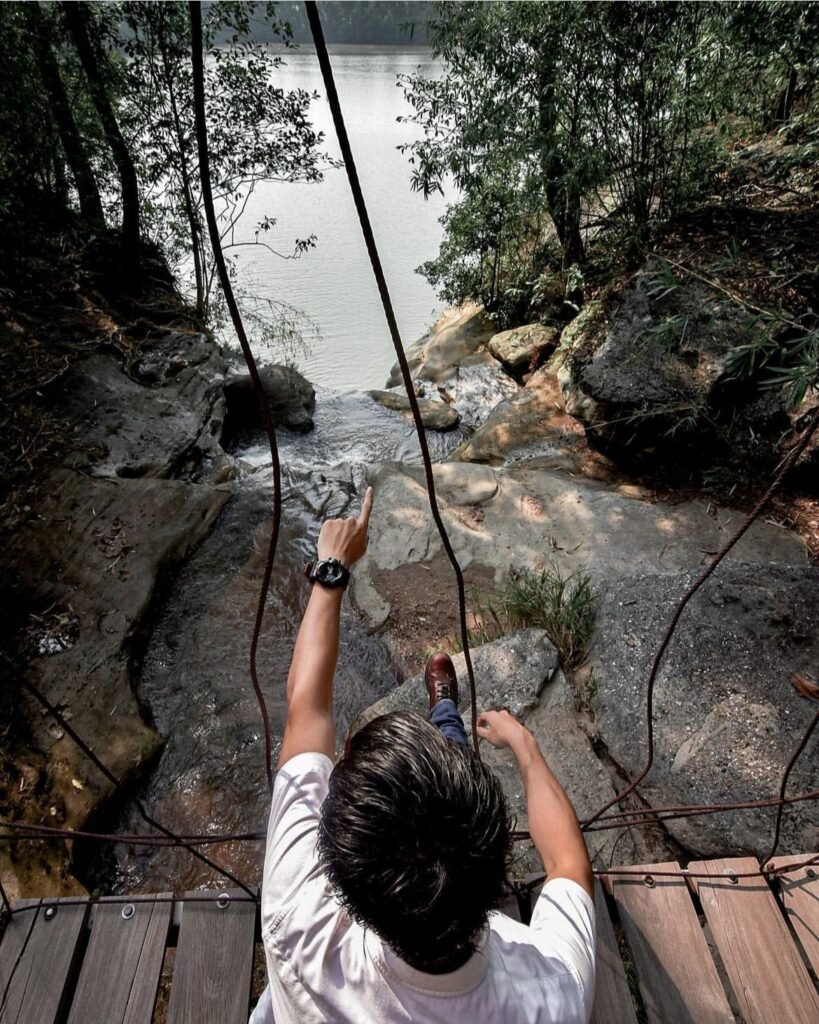
The appeal is the shape, not the size: the stream drops through a round, moon-shaped hole in the sandstone roof into a clear pool. It needs rain to look its best, so come in the wet season, ideally at midday on a sunny day. The open walk on across the rock to a cliff over the Mekong makes it more than a quick stop.
More in our Ubon Ratchathani guide.
- Attraction Type
- Waterfall
- Location
- Open in Google Maps
- Cost
- 200 THB for foreign adults, 40 THB for Thais (Pha Taem National Park)
- Opening Hours
- Daily, 06:00 to 18:00
- Best Time To Visit
- July to November for the strongest flow (it can run into January after a wet year); midday on a sunny day
- How To Get There
- About 1 hour 30 minutes by car from Ubon city
- What to Pack
- Shoes with grip and sun protection

37Kham Nam Sang, Phu Pha Yon
Kham Nam Sang is the highest fall in Phu Pha Yon National Park, at about 25 metres, and the park’s waterfalls are best from August to November. The same trip takes in the rock engravings on the Phu Pha Yon cliff, which want morning or late-afternoon light, so plan around both.
More in our Sakon Nakhon guide.
- Attraction Type
- National park: waterfalls, viewpoints, prehistoric rock art
- Location
- Open in Google Maps
- Cost
- Foreigners 100 THB, Thais 20 THB (national park fee); car 30 THB
- Opening Hours
- Daily, 08:00 to 18:00 (check before you go)
- Best Time To Visit
- August to November for waterfalls; morning or late afternoon for the carvings
- How To Get There
- About 32 km from Sakon Nakhon town: Sakon Nakhon to Nakhon Phanom road for 14 km, right towards Tao Ngoi, then on to the headquarters at Ban Huai Huat; own transport needed
- What to Pack
- Walking shoes, rain jacket, insect repellent
Southern Thailand
The southern falls are mostly small forest cascades near the beaches of Samui, Phangan, Phuket, Krabi and Khao Lak, better treated as a walk or a swim than a big sight. Several, including Wang Sai, Tonsai and Bang Pae, run low in the high season. Phrom Lok in Nakhon Si Thammarat works the other way round, with an annual closure from October to mid-December.
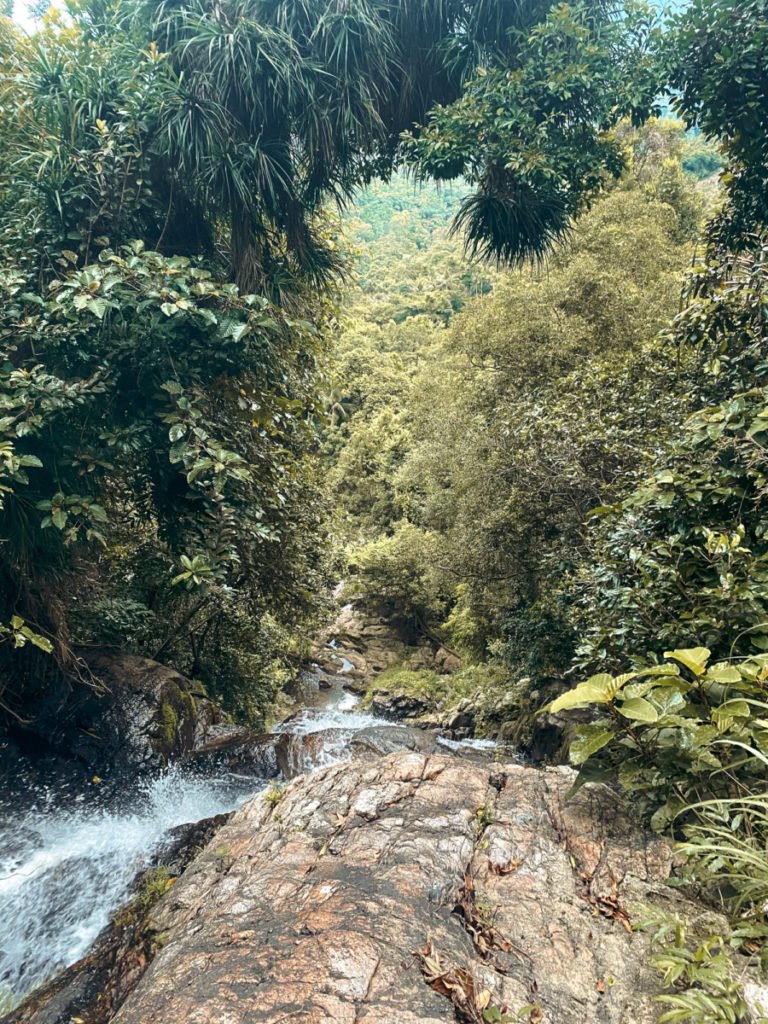

38Na Muang Waterfalls
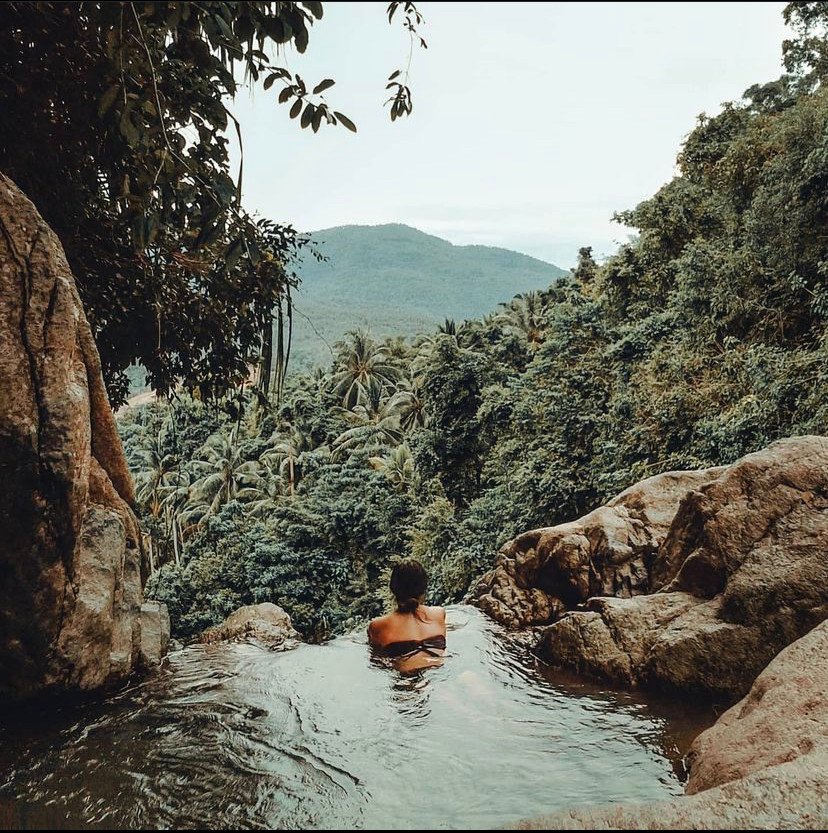
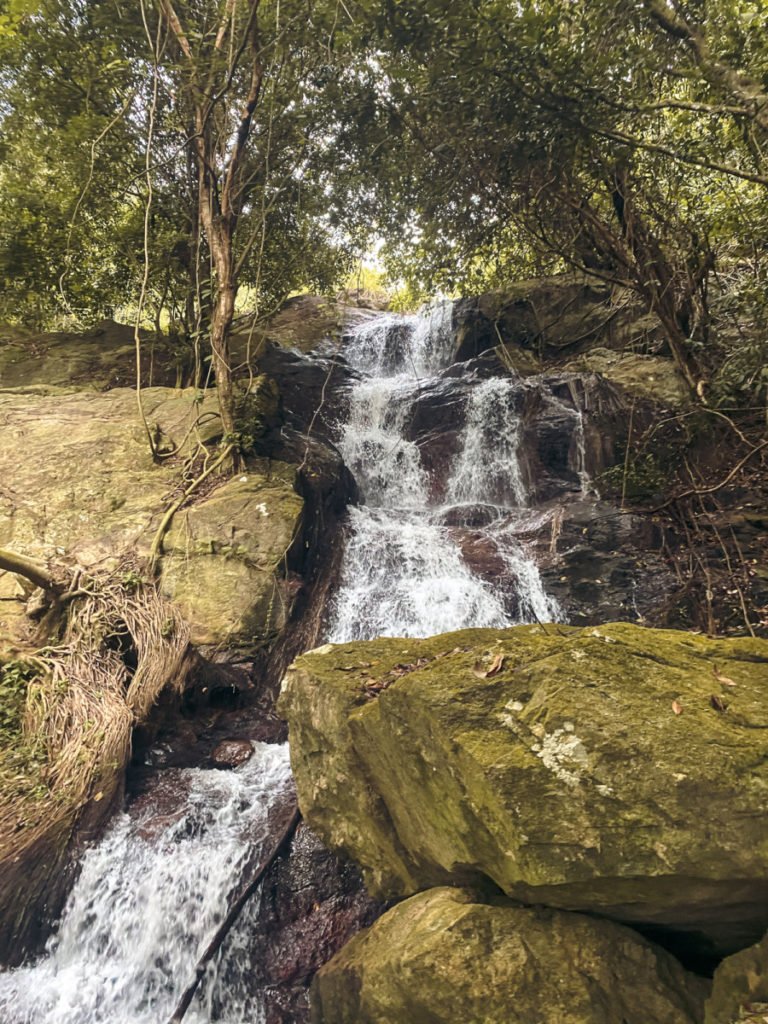
Samui’s two Na Muang falls suit different moods. Na Muang 1 is less than 5 minutes from the car park and good for a swim, but the easy access brings crowds; Na Muang 2 is more scenic and quieter, a 15 to 20 minute walk on a rough trail. Elephant rides are offered at the car park, and we strongly recommend you don’t support them.
More in our Koh Samui guide.
- Attraction Type
- Waterfalls
- Location
- Open in Google Maps
- Cost
- Free entry; small parking fee at some car parks (around 20 THB, check before you go)
- Best Time To Visit
- Morning
- Opening Hours
- Daily, 09:00 to 17:00 (Na Muang 2 until 18:00)
- How To Get There
- Drive
- Area
- Koh Samui
- What To Pack
- Decent shoes, swimwear

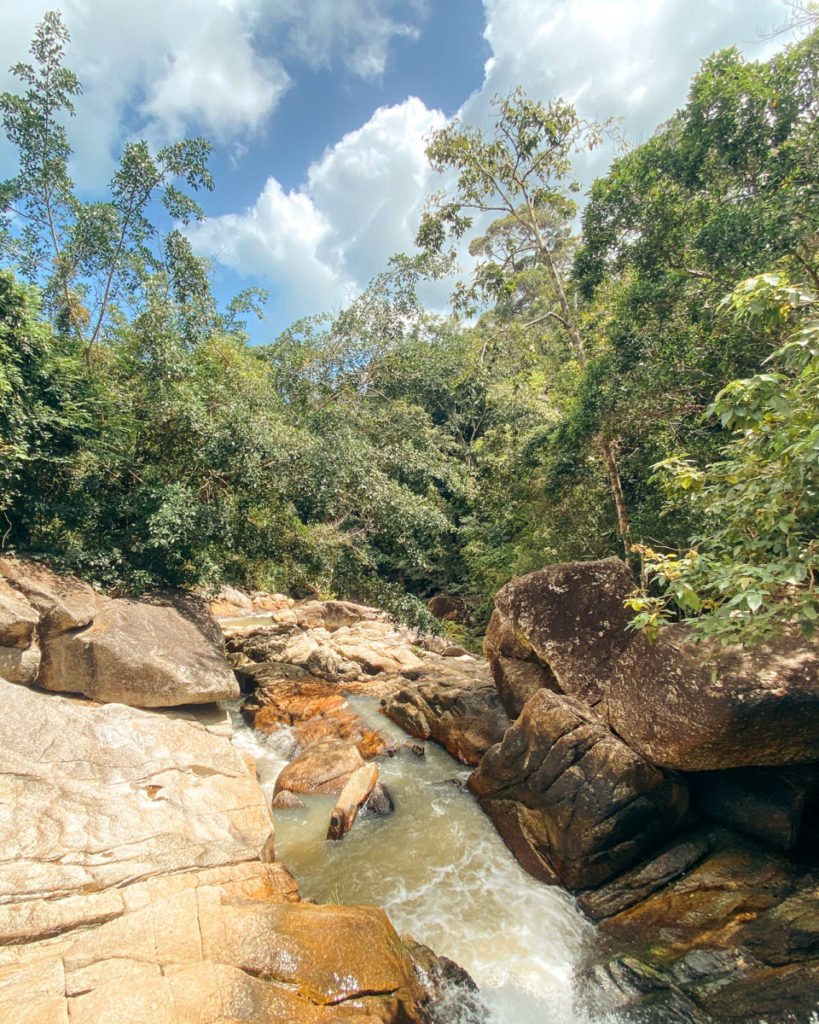
39Than Sadet Waterfalls
Several waterfalls line the road through Than Sadet, and this small one sits before the park checkpoint, so there’s no fee. It isn’t spectacular. The reason to stop is the blind man at the entrance who sells food, drinks and handmade crafts; buying something supports him.
More in our Koh Phangan guide.
- Attraction Type
- Waterfalls
- Location
- Open in Google Maps
- Cost
- Free (the main Than Sadet falls beyond the checkpoint cost 100 THB for foreign adults and can close for part of November to December)
- Best Time To Visit
- Morning
- How To Get There
- Drive
- Area
- Koh Phangan
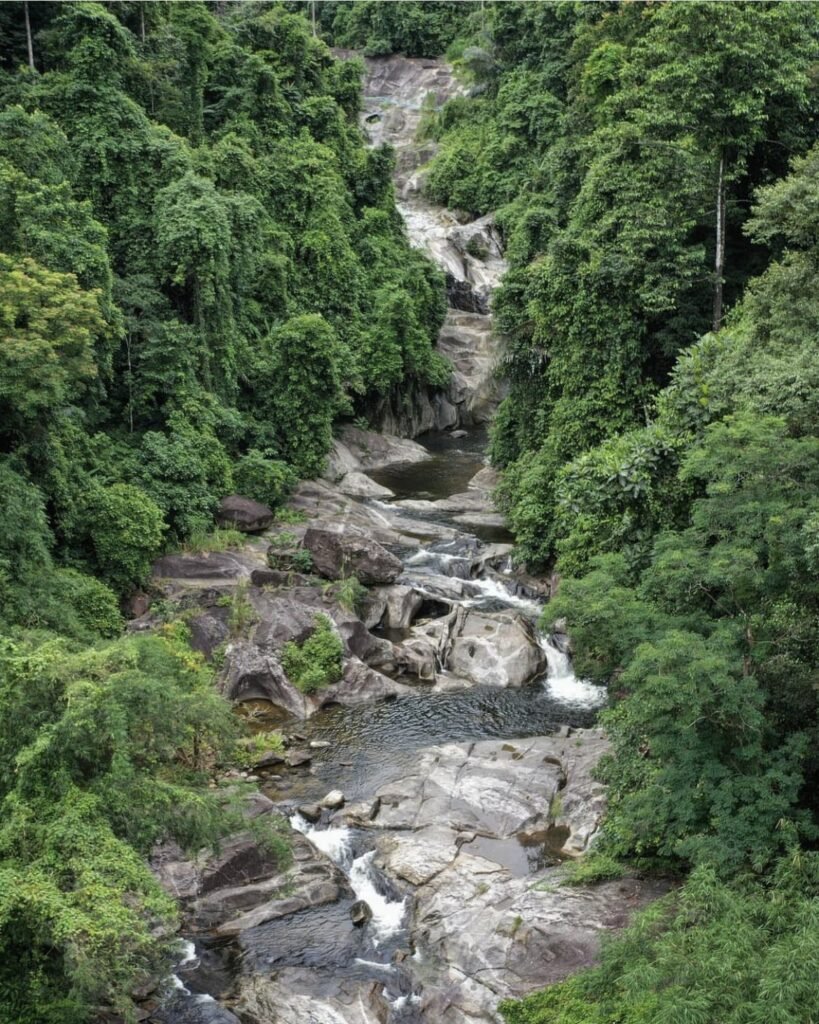
40Phrom Lok Waterfall
Check the calendar first: the park lists an annual closure from 1 October to 15 December, and mountain rain can limit access at other times. When it’s open, Phrom Lok drops around 50 tiers through the forest of Khao Luang, with four open along a 600 metre trail. The rocks and walkway get very slippery.
More in our Nakhon Si Thammarat guide.
- Attraction Type
- Waterfall
- Location
- Open in Google Maps
- Cost
- 200 THB for foreign adults, 40 THB for Thai adults
- Best Time To Visit
- January to September
- Opening Hours
- Daily, 08:30 to 16:30
- Number
- 075 300 494
- How To Get There
- Drive west from Nakhon Si Thammarat town towards Phrom Khiri
- What to Pack
- Grippy shoes, a towel and dry clothes
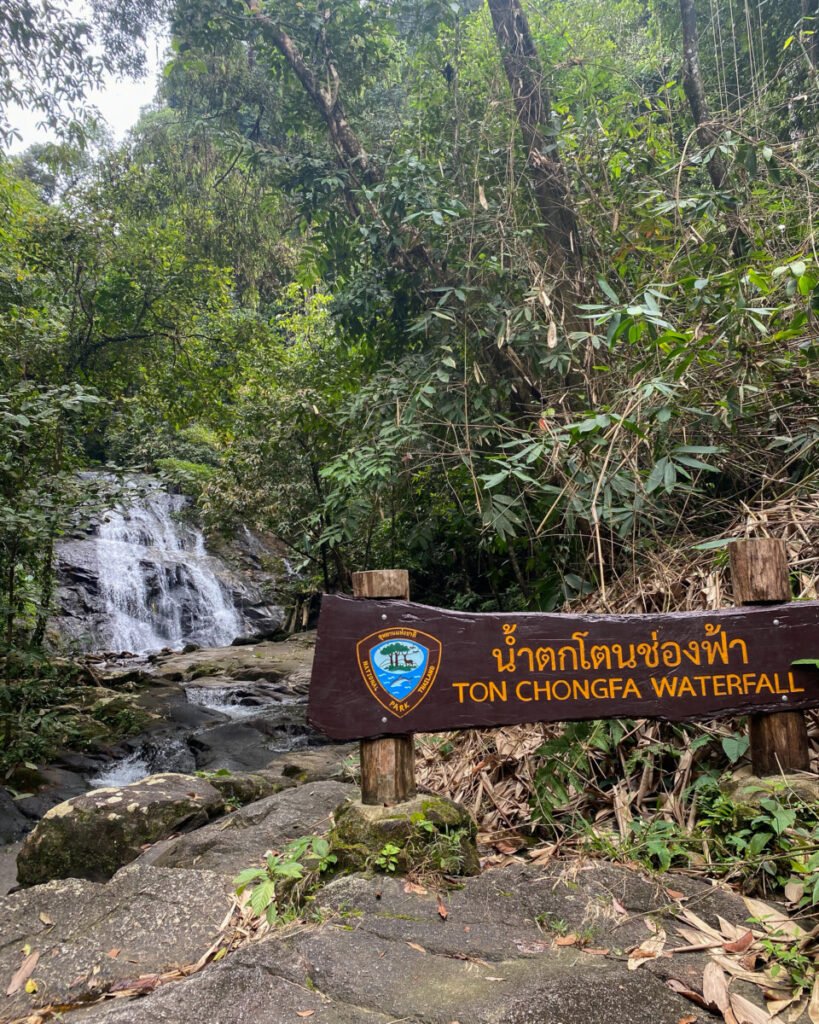

41Ton Chong Fa Waterfall
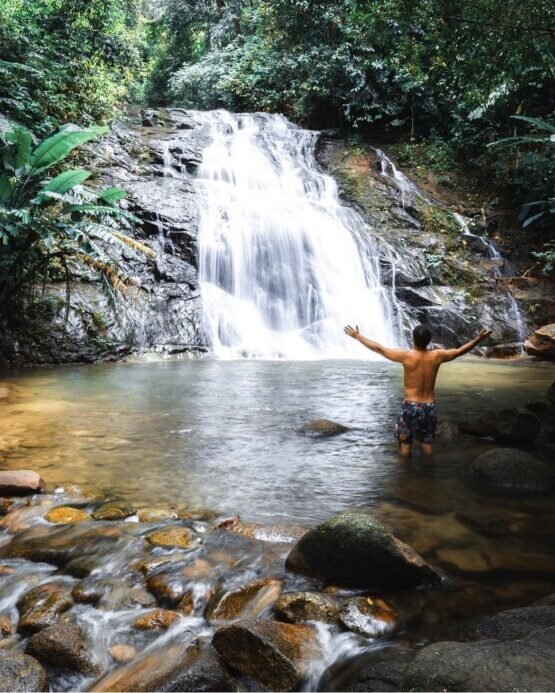
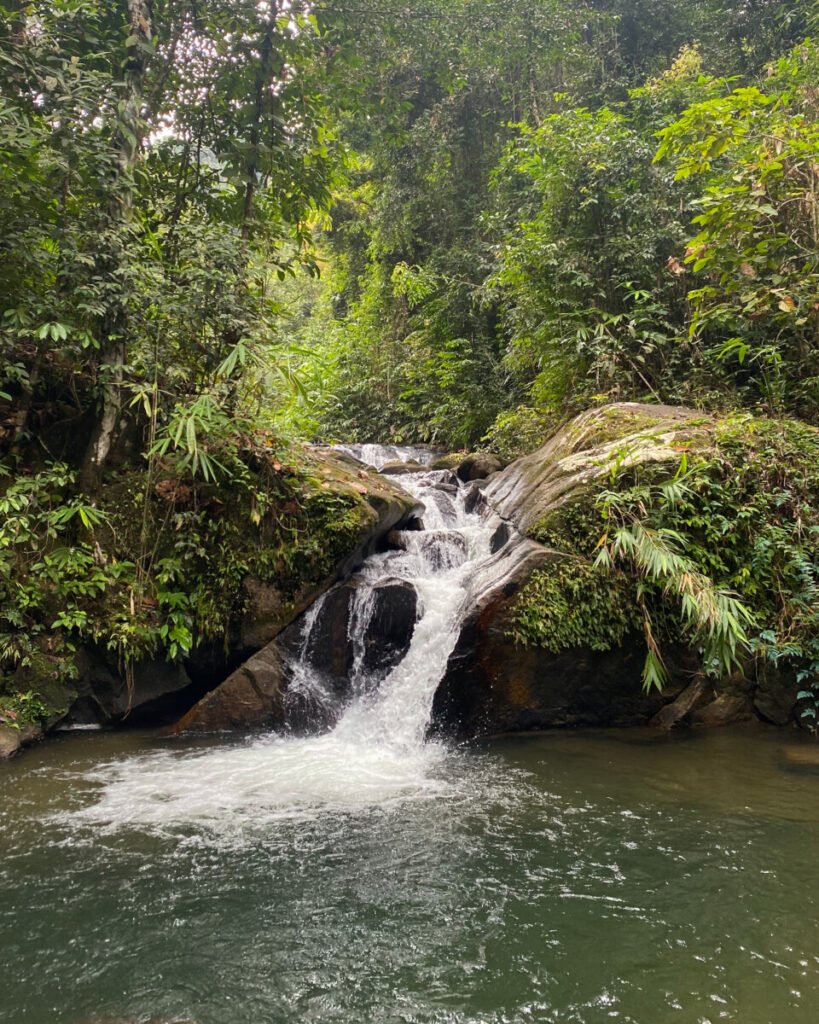
A quiet, undeveloped corner of Lam Ru National Park inland from Khao Lak, at its fullest in the rainy season. Five tiers line a path of around 1.5 km with a couple of steep, slippery climbs, and you can swim in the bottom pool.
More in our Phang Nga guide.
- Attraction Type
- Waterfall
- Location
- Open in Google Maps
- Cost
- 100 THB for foreign adults (park fee)
- Best Time To Visit
- Rainy season, roughly May to October, when the falls are fullest
- Opening Hours
- Daily, 08:30 to 16:30
- Number
- +66 76 485 243
- What to Pack
- Proper shoes, mosquito repellent and swimwear
42Hin Lat Waterfall
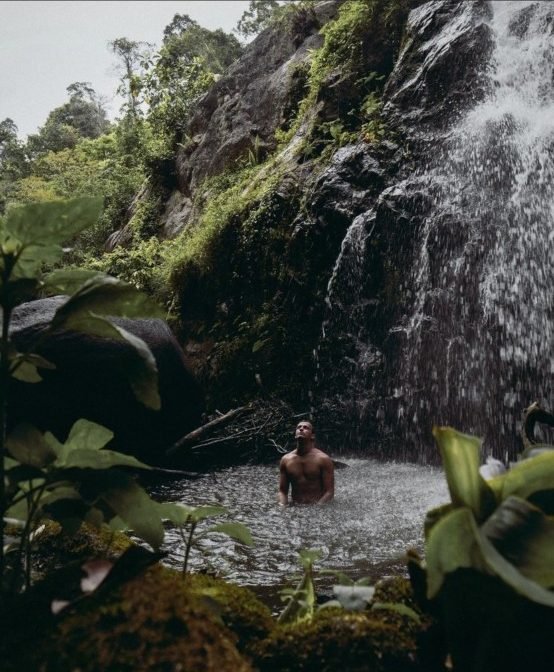
Free, and more about the walk than the fall: a string of jungle cascades at the end of a 30 to 40 minute uphill trail, with pools to cool off in on the way. The path isn’t hard but narrows in places, so wear trainers rather than flip-flops.
More in our Koh Samui guide.
- Attraction Type
- Waterfall
- Location
- Open in Google Maps
- Cost
- Free
- Best Time To Visit
- Morning
- How To Get There
- Drive / Taxi + Hike
- Area
- Koh Samui
- What To Pack
- Proper trainers, insect repellent, swimwear
43Namtok Wang Sai
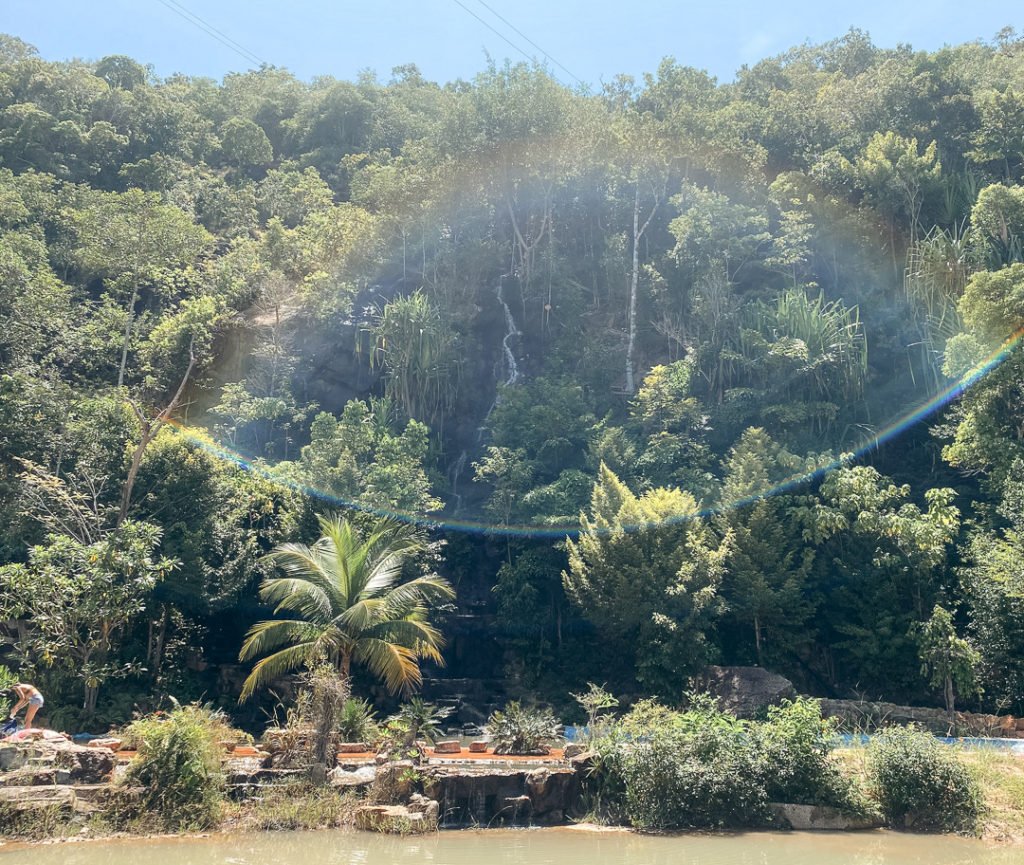
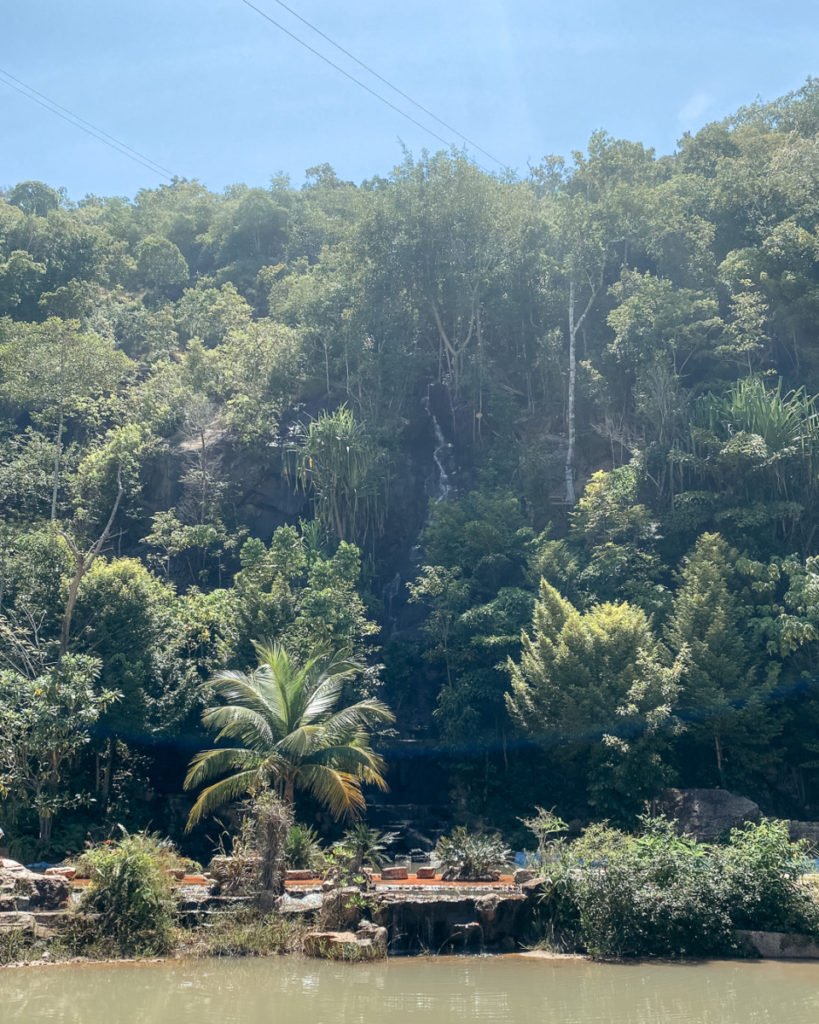
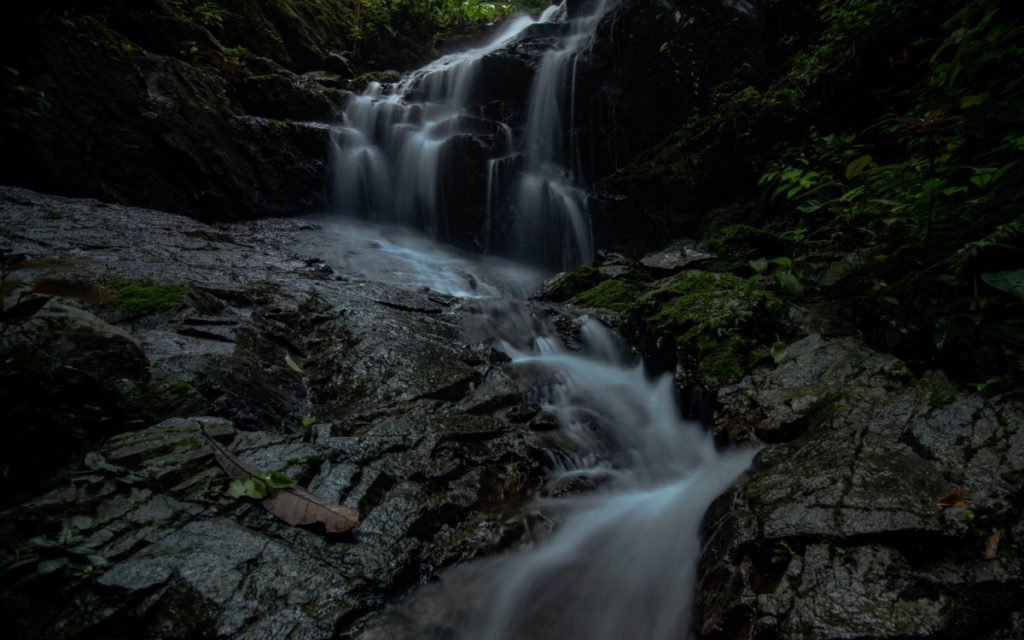
Wang Sai only earns a visit after rain. In the high season the flow is weak, and in the hot months it can run completely dry. You can walk the nature trail or drive to the bar at the bottom and swim in a man-made pool fed by the falls, though recent reviews say the bar area is run down and partly closed for renovation.
More in our Koh Phangan guide.
- Attraction Type
- Waterfall
- Location
- Open in Google Maps
- Cost
- 50 THB
- Best Time To Visit
- Afternoon
- Opening Hours
- Daily, 06:00 to 18:00
- How To Get There
- Drive + Walk
- Area
- Koh Phangan
- What To Pack
- Swimwear, closed shoes, mosquito repellent

44Tonsai Waterfall
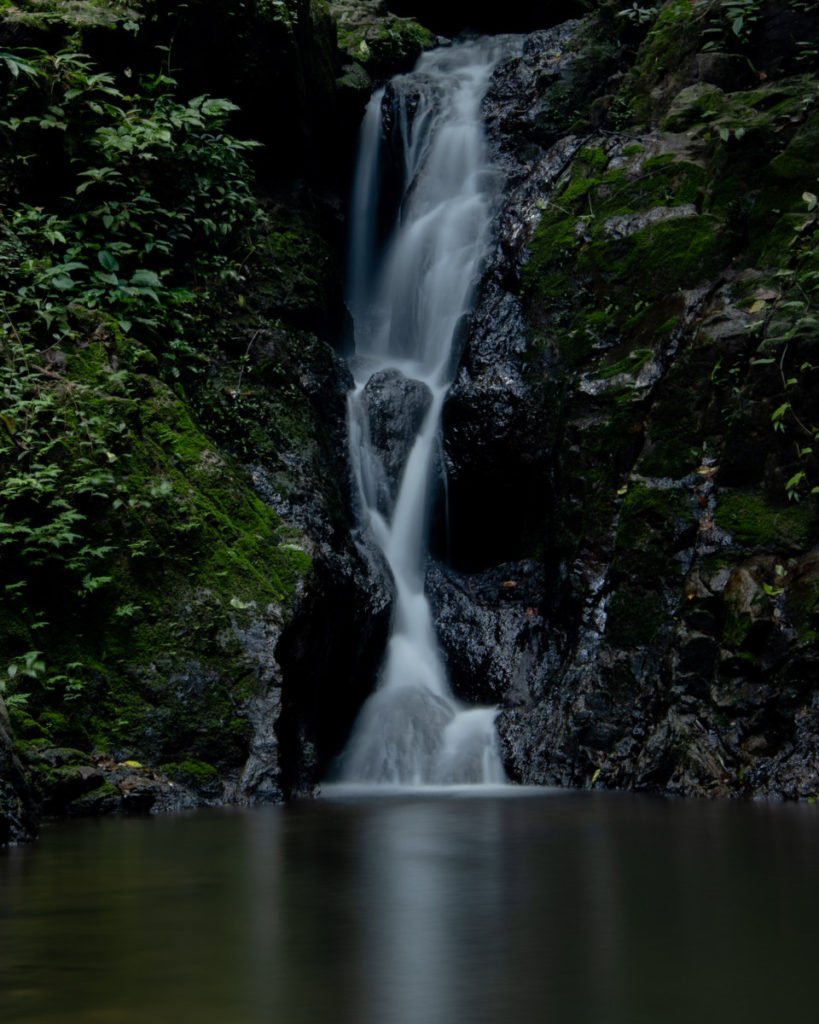
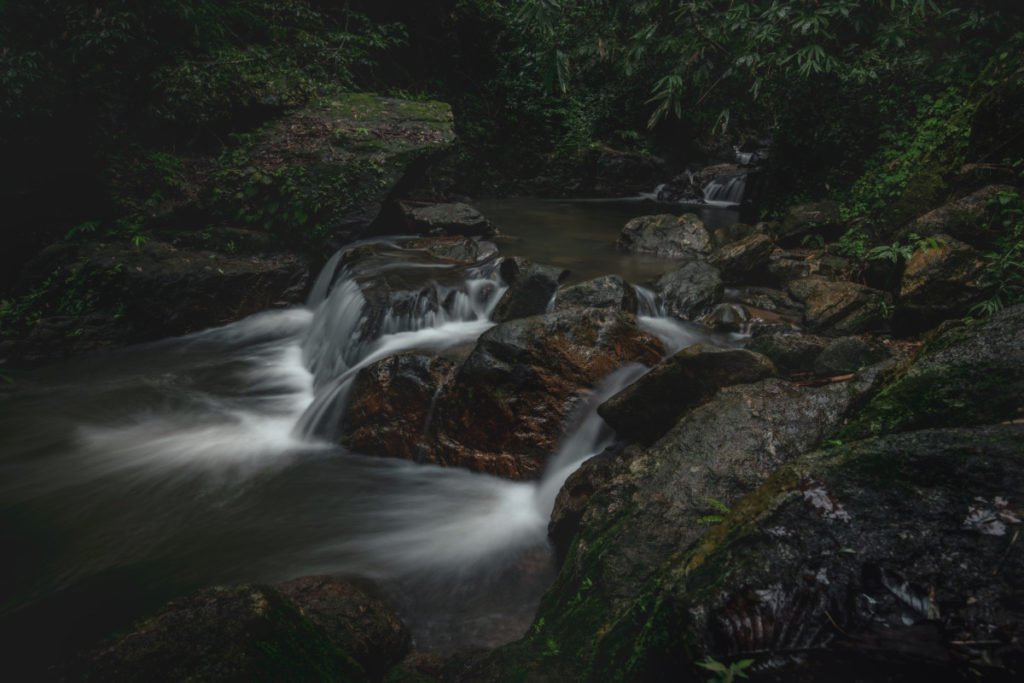
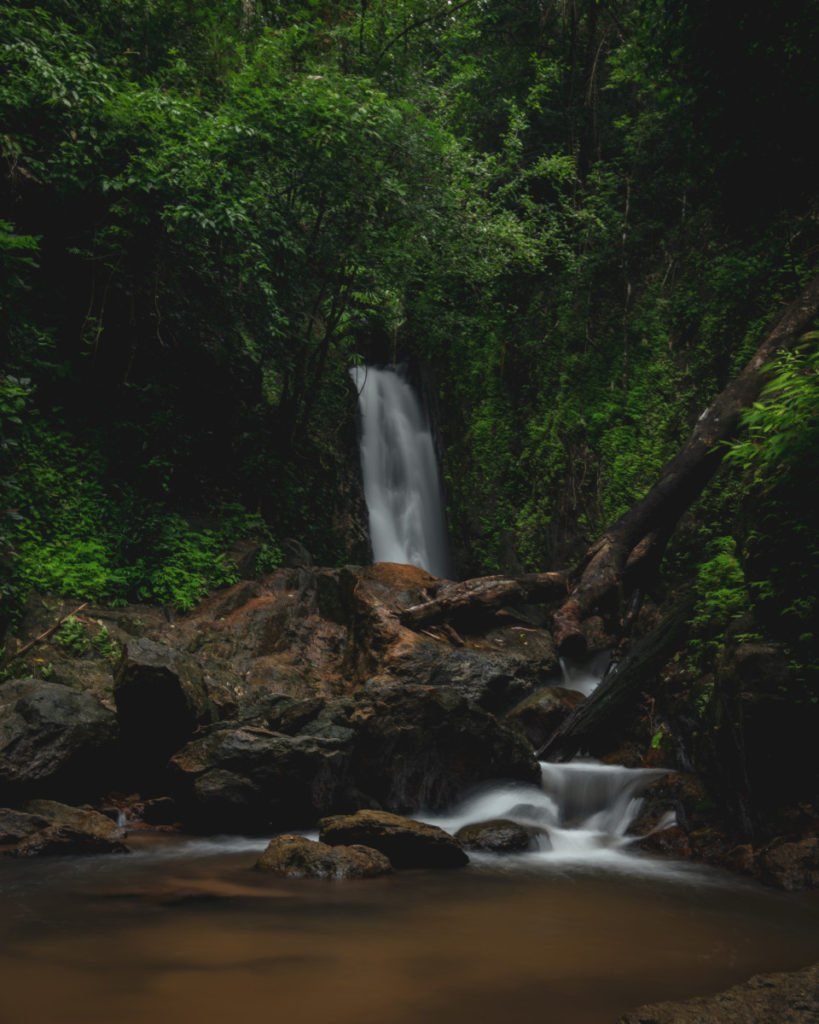
Treat Tonsai as a forest walk, not a sight. The trail in Khao Phra Thaeo National Park is easy and a good break from the beaches, but the park fee is steep for such a small fall, and in the high season there may be very little water. Go in the morning, and only if the walk is what you’re after.
More in our Phuket guide.
- Attraction Type
- Waterfall
- Location
- Open in Google Maps
- Cost
- 200 THB for foreign adults
- Best Time To Visit
- Morning
- Opening Hours
- Daily, 09:00 to 16:00
- How To Get There
- Drive / Taxi
- Area
- Thep Krasatti

45Bang Pae Waterfall
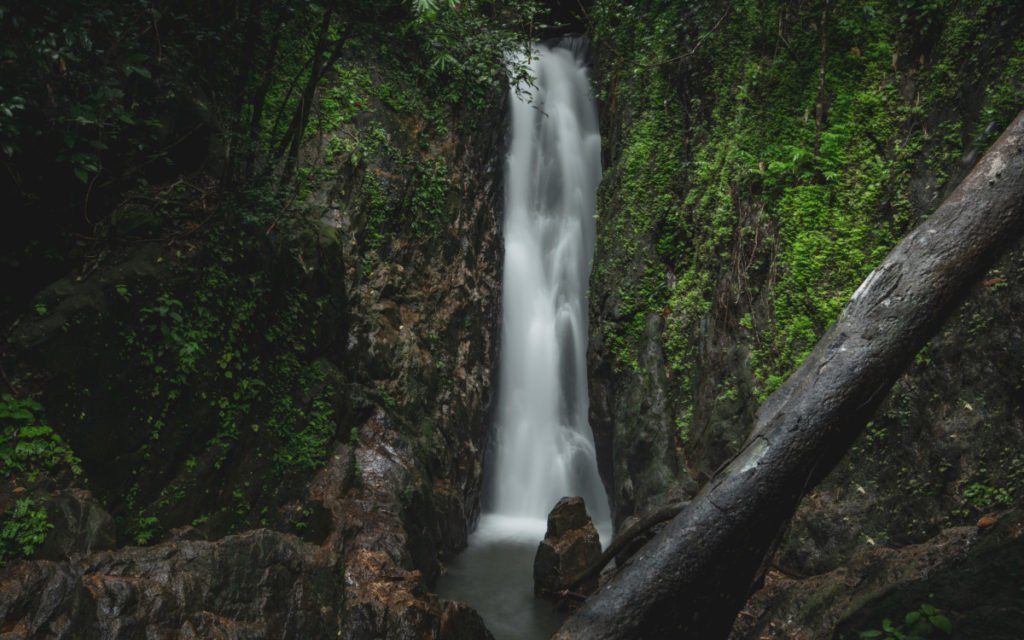
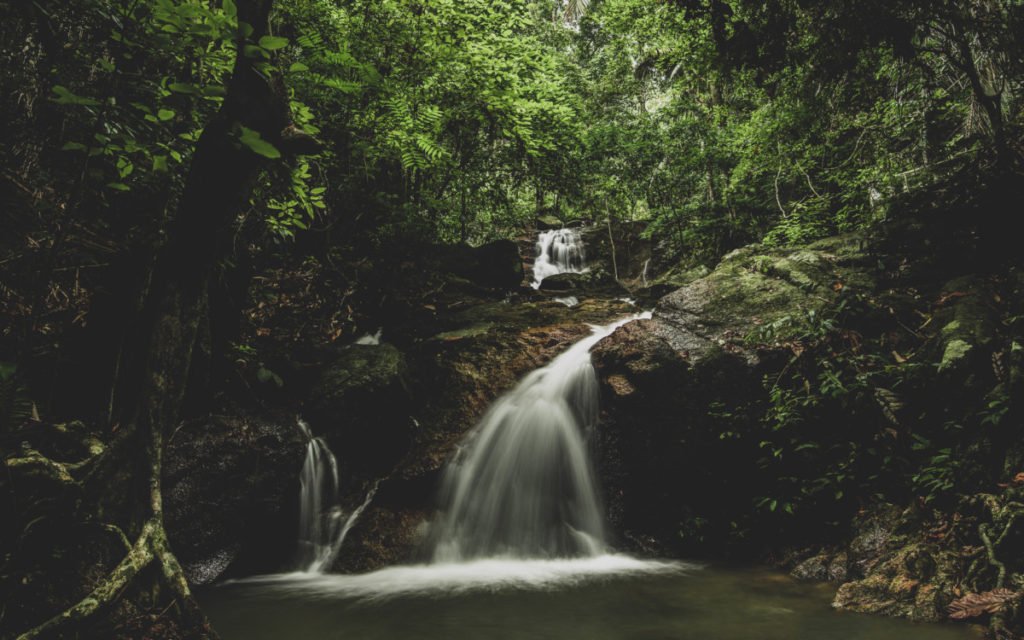
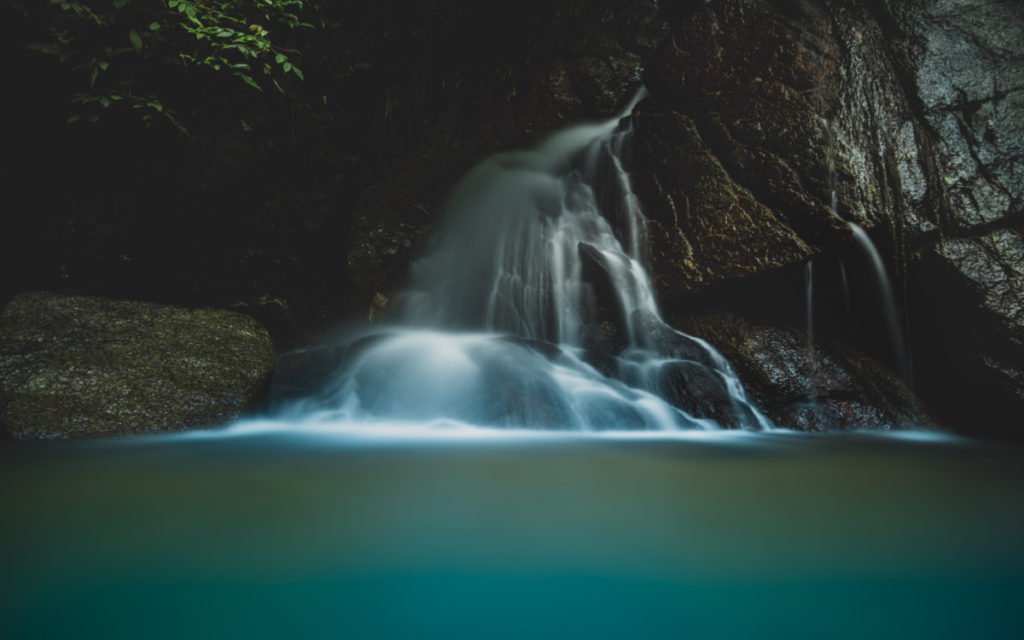
Bang Pae is a low-season fall. From June to October it’s a small cascade among rocks and forest with a pool at the base to cool off in; in the high season there’s too little water to justify the entry fee.
More in our Phuket guide.
- Attraction Type
- Waterfall
- Location
- Open in Google Maps
- Cost
- 200 THB for foreign adults
- Best Time To Visit
- Morning / Afternoon
- Opening Hours
- Daily, 09:00 to 16:00
- How To Get There
- Drive / Taxi
- Area
- Pa Klok

46Kathu Waterfall
Unlike Phuket’s other waterfalls, Kathu is free. It’s small and reached by a lot of stairs, so think of it as a quiet bit of forest exercise rather than a big sight.
More in our Phuket guide.
- Attraction Type
- Waterfall
- Location
- Open in Google Maps
- Cost
- Free
- Best Time To Visit
- Morning / Afternoon
- Opening Hours
- 24 Hours
- Number
- +66 95 416 3313
- How To Get There
- Drive / Taxi
- Area
- Kathu


47Huay To Waterfall
Pick Huay To if you want to climb and swim your way up a waterfall near the Krabi beaches. It’s 80 metres high in a series of tiers and pools in Khao Phanom Bencha National Park, around a 40-minute drive from Ao Nang. The lower falls are easy; the top tier needs some scrambling.
More in our Krabi guide.
- Attraction Type
- National Park
- Location
- Open in Google Maps
- Cost
- 100 THB for foreign adults, 50 THB for children
- Best Time To Visit
- Morning
- Opening Hours
- Daily, 08:00 to 16:30
- Number
- +66 61 232 4901
- How To Get There
- Drive / Taxi
- Area
- Thab Prik
- What To Pack
- Swimming gear, shoes for scrambling, snacks


48Ton Plio Waterfall
A multi-tier waterfall in the Ton Nga Chang Wildlife Sanctuary near Rattaphum, about 45 minutes from Hat Yai. The first tier, with its wide pool, is an easy walk; the upper tiers are rough scrambles for confident hikers. It is quieter than nearby Ton Nga Chang, and flow is best in the wetter months, but stay out of the water after heavy rain.
More in our Songkhla guide.
- Attraction Type
- Waterfall
- Location
- Open in Google Maps
- Cost
- No fee found in sources (check before you go)
- Opening Hours
- 07:00 to 18:00 (check before you go)
- Best Time To Visit
- Morning; wetter months for stronger flow, avoiding days after heavy storms
- How To Get There
- Own car or hired vehicle from Hat Yai via Highway 4 towards Rattaphum (about 45 minutes); last 7 km on a narrow rural road

49Chaloem Phrakiat Rama IX Waterfall
Five tiers dropping through cool hill forest near Betong, with a main fall of more than 30 m, a 300 m concrete path from the car park and no entry fee. It is the easy one to add after a dawn at the Aiyoeweng Skywalk, about 30 to 40 minutes from town, and it carries the most water after rain. Betong is in Yala, and the UK advice against all but essential travel covers all of Yala, so read it before you plan a trip.
More in our Deep South guide.
- Attraction Type
- Waterfall
- Location
- Open in Google Maps
- Cost
- Free
- Opening Hours
- About 08:00 to 16:30 daily
- Best Time To Visit
- Morning, after the skywalk; weekdays are quieter
- How To Get There
- Highway 410 to about km 32 to 33 in Aiyoeweng, then the signed side road; about 30 to 40 minutes from Betong; 300 m walk from the car park
- What to Pack
- Shoes or sandals with grip, insect repellent, swimwear
Created by
 Gavin Boyle@gavsgoneagain
 Arm Palakorn@armypalakorn
 Will Fearon@asiaandbeyond
 Flora & Note@floraandnote
 Rung Boriwat@sunny_rung
 Ittipoom Promma@koalamarty
- Sattayakoon Traikaew@lostinmyway_3
 Akarachai@akara_srt
- Natapong Notjustnut@not.just.nut
 Kiattisak Masim@k.masimmmm
 James@all_around_thailand
 Tobi Schoepflin@tobischoepflin
 Narongdet Mx@max_milestone
 Kolin Friske@kolinfriske
